IIT Indore creates AI human replica to help detect diseases
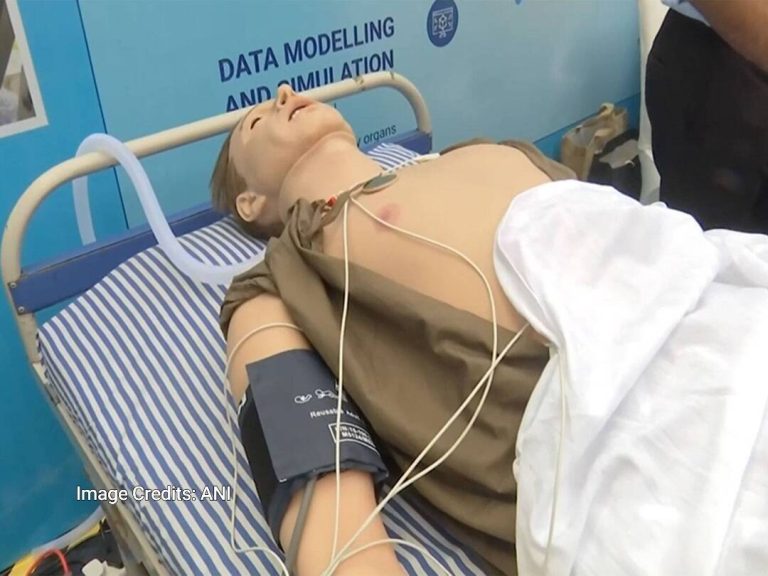
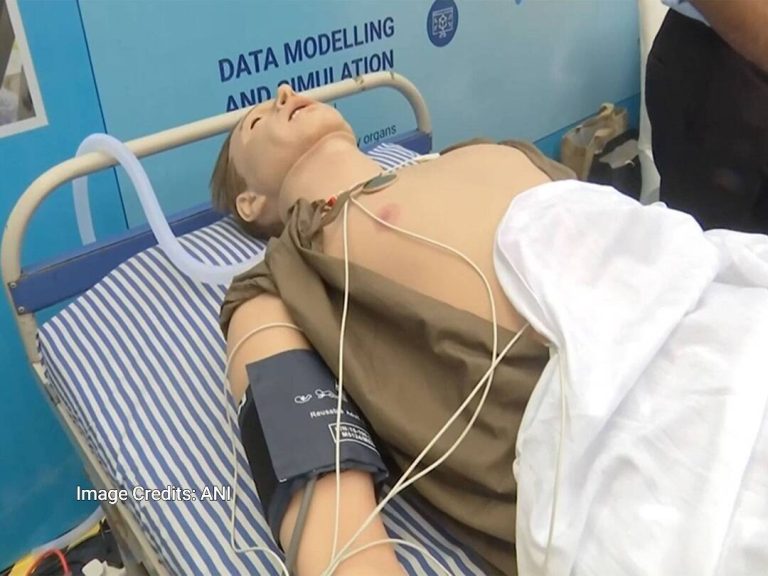
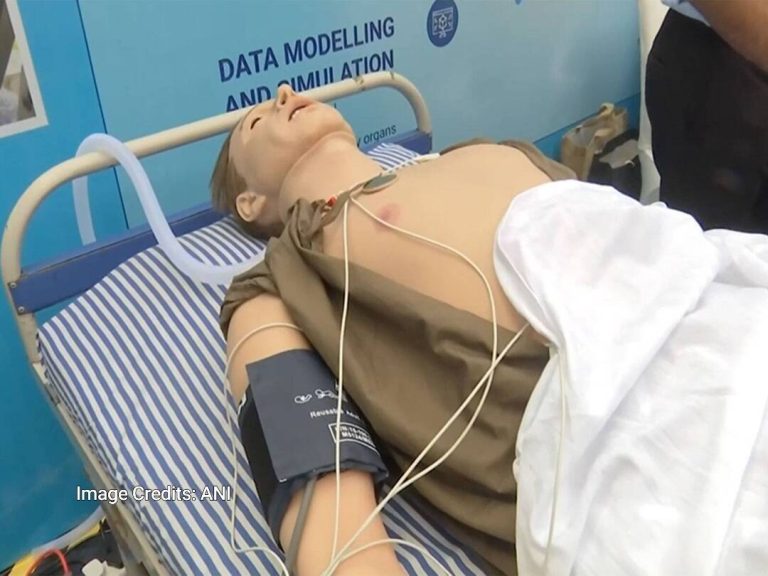
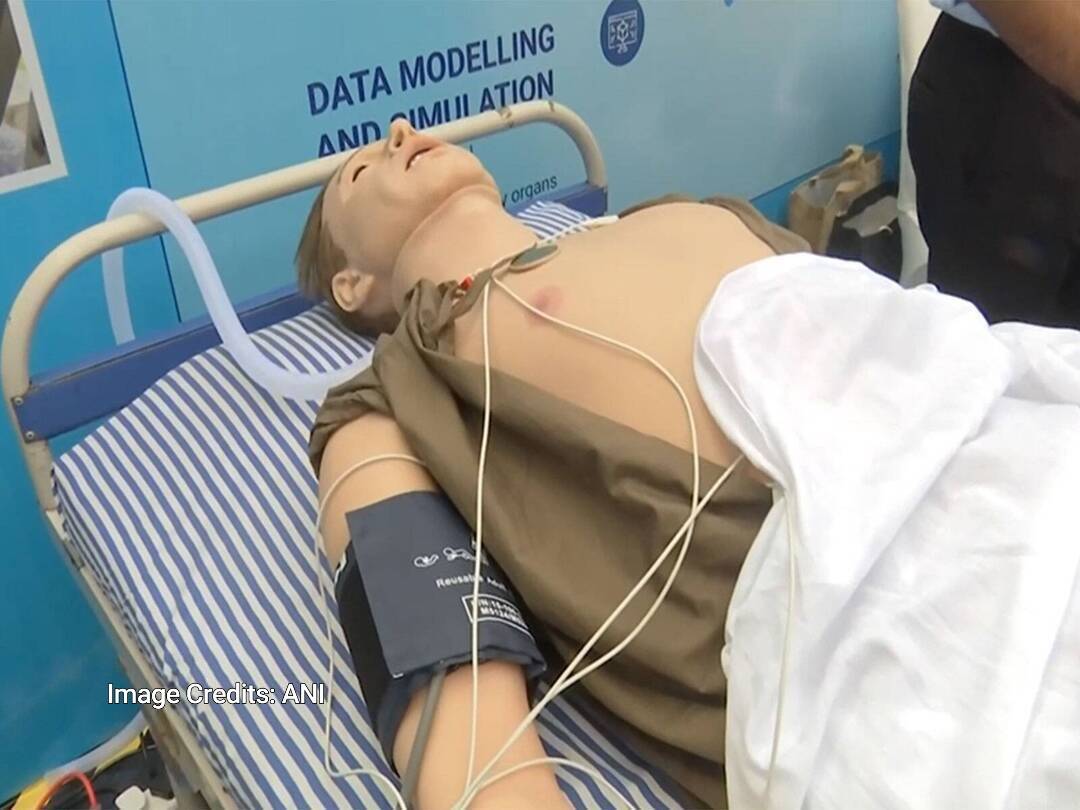
In a groundbreaking development, the Indian Institute of Technology (IIT) Indore has created an AI-powered human-like replica that can be used to detect diseases in the human body. According to a report by ANI, this innovative technology has the potential to revolutionize the field of medicine by aiding doctors in early and preventive diagnosis. The replica, which can imitate basic human functions like blinking and breathing, is equipped with advanced AI algorithms that enable it to identify patterns of diseases in different organs.
The development of this AI-powered human-like replica is a significant milestone in the field of medical research. For years, scientists and researchers have been working on creating simulation models that can mimic human functions, but this latest breakthrough takes it to a whole new level. The replica’s ability to mimic human-like functions makes it an ideal tool for testing and training medical professionals. It can be used to simulate various medical scenarios, allowing doctors to practice and refine their skills in a risk-free environment.
One of the most significant advantages of this technology is its potential to aid in early disease detection. The AI-powered replica can be programmed to simulate various diseases, allowing doctors to study and analyze the progression of the disease in a controlled environment. This can help doctors identify patterns and symptoms of diseases at an early stage, enabling them to provide timely and effective treatment. Early detection is critical in preventing the progression of diseases, and this technology can play a vital role in saving countless lives.
The AI-powered replica can also be used to test new medical treatments and drugs. By simulating human-like functions, the replica can help researchers understand how the human body responds to different treatments, allowing them to refine and improve their methods. This can significantly reduce the time and cost associated with clinical trials, making it possible to bring new treatments to market faster.
Another significant benefit of this technology is its potential to improve medical education. The replica can be used to teach medical students about human anatomy and physiology, allowing them to gain hands-on experience in a simulated environment. This can help students develop a deeper understanding of the human body and its functions, making them better equipped to handle real-life medical situations.
The development of this AI-powered human-like replica is also a testament to the growing importance of artificial intelligence in the field of medicine. AI has the potential to revolutionize healthcare by providing doctors with accurate and reliable data, enabling them to make informed decisions about patient care. The use of AI in medicine can also help reduce errors, improve patient outcomes, and enhance the overall quality of care.
IIT Indore’s development of the AI-powered human-like replica is a significant step forward in the field of medical research. The institute’s commitment to innovation and excellence has led to the creation of a technology that has the potential to transform the way we approach disease detection and treatment. As this technology continues to evolve, we can expect to see significant advancements in the field of medicine, leading to better patient outcomes and improved healthcare systems.
In conclusion, the development of the AI-powered human-like replica by IIT Indore is a groundbreaking achievement that has the potential to revolutionize the field of medicine. The replica’s ability to mimic human-like functions, combined with its advanced AI algorithms, makes it an ideal tool for disease detection, medical research, and education. As this technology continues to evolve, we can expect to see significant improvements in healthcare, leading to better patient outcomes and improved quality of life.
About the Author