IIT Indore creates AI human replica to help detect diseases
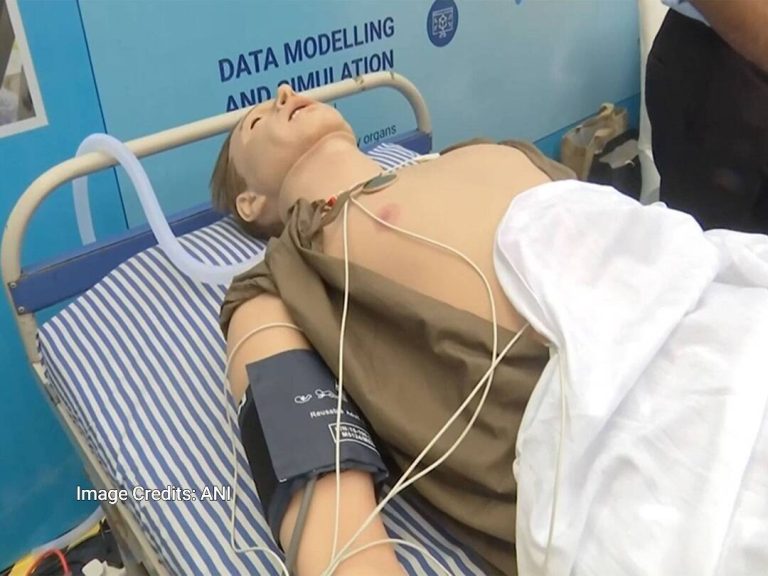
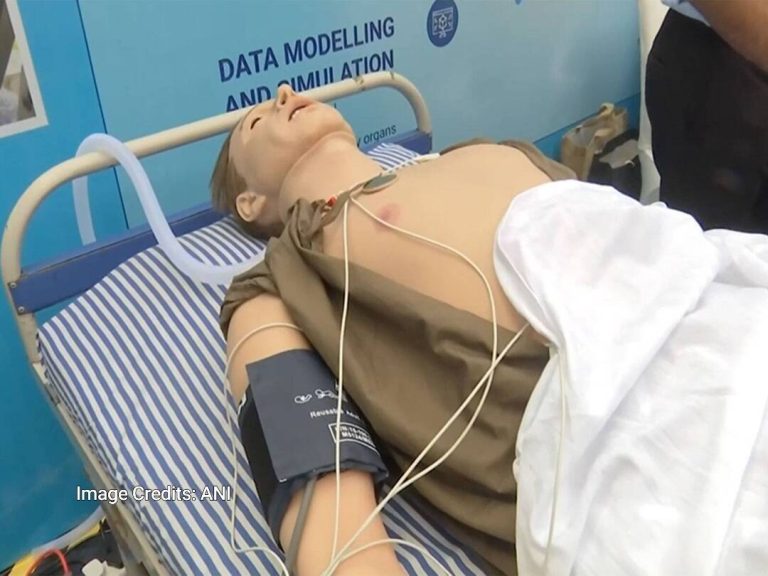
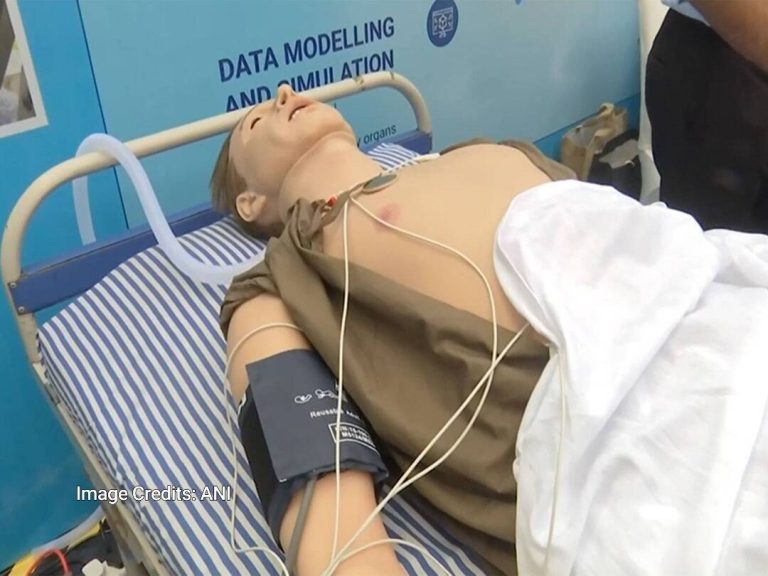
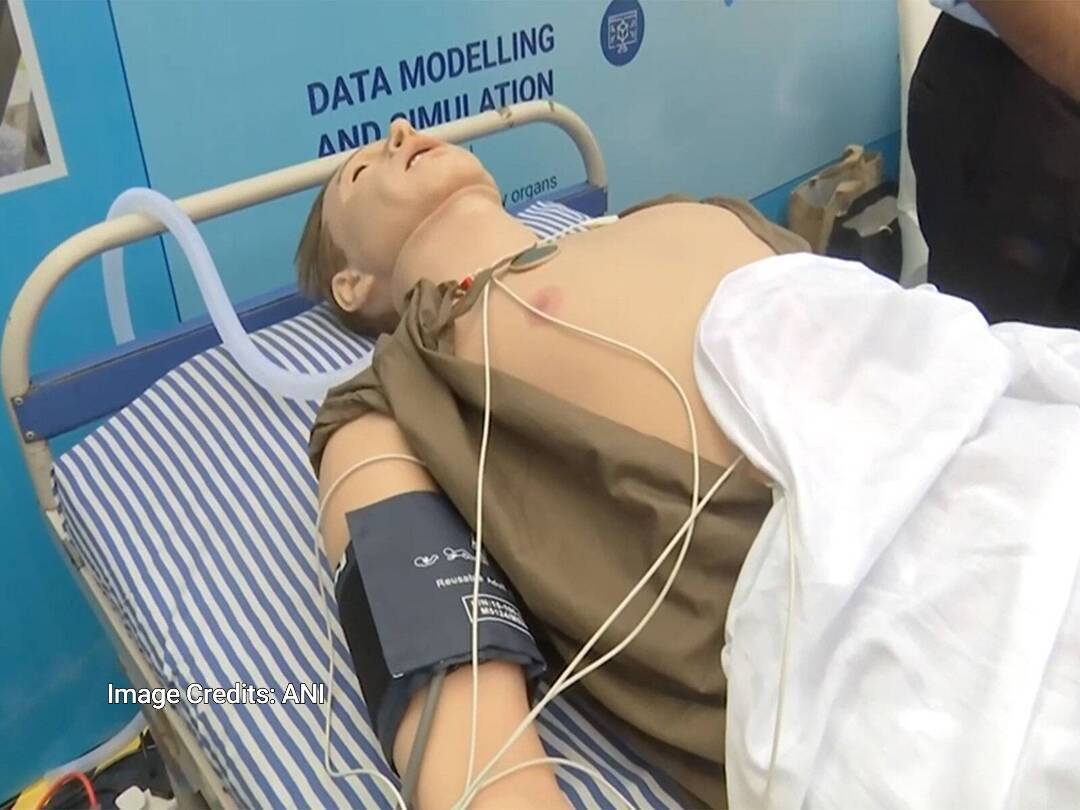
In a groundbreaking development, the Indian Institute of Technology (IIT) Indore has created an AI-powered human-like replica that can be used to detect diseases in the human body. According to a report by ANI, this innovative technology has the potential to revolutionize the medical field by aiding doctors in early and preventive diagnosis. The AI-powered replica is designed to imitate basic human functions like blinking and breathing, making it an incredibly realistic tool for medical research and diagnosis.
The human-like replica is equipped with advanced artificial intelligence (AI) that enables it to simulate various human functions, including organ movements and bodily responses. This allows medical professionals to study the patterns of diseases in different organs and identify potential health risks. The AI robot can mimic the functions of various organs, including the heart, lungs, and liver, making it an invaluable tool for medical research and diagnosis.
One of the most significant advantages of this technology is its ability to aid in early diagnosis. By simulating human functions and mimicking disease patterns, the AI robot can help doctors identify potential health risks before they become severe. This can lead to preventive measures, reducing the risk of complications and improving patient outcomes. Additionally, the AI-powered replica can assist doctors in developing personalized treatment plans tailored to individual patients’ needs.
The development of this technology is a testament to the innovative spirit of IIT Indore and its commitment to advancing medical research. The institute has been at the forefront of developing cutting-edge technologies, and this latest breakthrough is a significant milestone in its journey. The AI-powered human-like replica has the potential to transform the medical field, enabling doctors to provide more accurate diagnoses and effective treatments.
The use of AI in medicine is not new, but the development of a human-like replica takes it to a whole new level. AI has been used in various medical applications, including diagnostic imaging, patient data analysis, and personalized medicine. However, the creation of a human-like replica that can simulate human functions and mimic disease patterns is a significant advancement. It has the potential to revolutionize the way medical professionals approach diagnosis and treatment, enabling them to provide more accurate and effective care.
The AI-powered replica can also be used to train medical students and professionals, providing them with a realistic and interactive learning experience. It can simulate various medical scenarios, allowing students to practice and develop their skills in a safe and controlled environment. This can lead to better-prepared medical professionals, equipped with the skills and knowledge necessary to provide high-quality care.
The development of this technology also raises interesting questions about the future of medicine. As AI continues to advance, we can expect to see more innovative applications in the medical field. The use of AI-powered robots and replicas can lead to significant improvements in patient care, enabling doctors to provide more accurate diagnoses and effective treatments. It can also lead to new discoveries and breakthroughs, as medical professionals are able to study and analyze human functions and disease patterns in greater detail.
In conclusion, the development of an AI-powered human-like replica by IIT Indore is a significant breakthrough in the medical field. The technology has the potential to revolutionize diagnosis and treatment, enabling doctors to provide more accurate and effective care. As AI continues to advance, we can expect to see more innovative applications in medicine, leading to improved patient outcomes and better healthcare.
The development of this technology is a testament to the power of innovation and the potential of AI to transform the medical field. As we look to the future, it will be exciting to see how this technology is used and how it evolves. One thing is certain, however – the creation of an AI-powered human-like replica is a significant milestone in the journey towards better healthcare and improved patient outcomes.
About the Author