Tariff-hit exporters seek duty rationalisation in Budget 2026
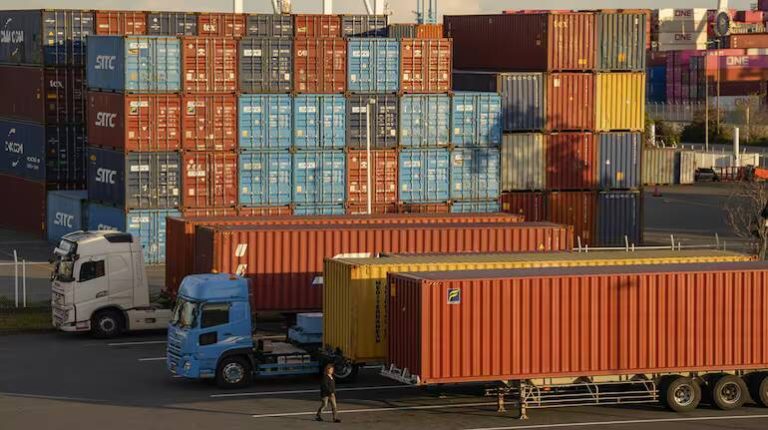
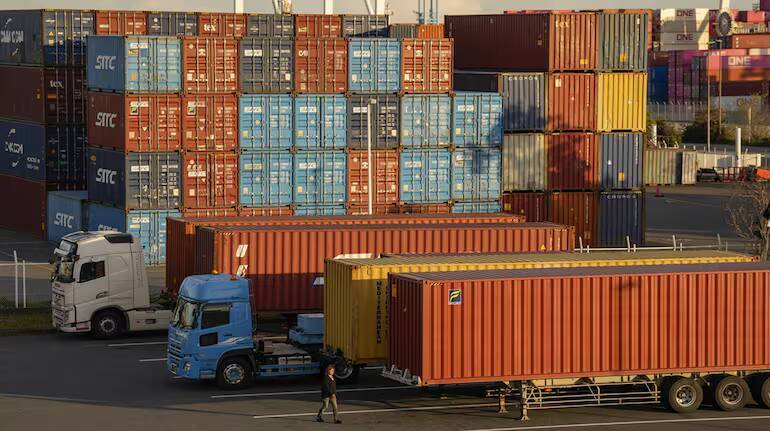
As the Indian government prepares to unveil the Budget for 2026, exporters from various sectors are eagerly awaiting measures that will help them remain competitive in overseas markets. The US has recently imposed higher tariffs on most Indian exports, affecting key sectors such as textiles, apparel, gems and jewellery, and chemicals. In response, these tariff-hit exporters are seeking customs duty rationalisation, among other measures, to mitigate the impact of these tariffs and stay afloat in the global market.
The imposition of higher tariffs by the US has dealt a significant blow to Indian exporters, who are struggling to cope with the increased costs. The tariffs have made Indian products more expensive in the US market, leading to a decline in demand and, subsequently, a decrease in exports. This has resulted in financial losses for many exporters, who are now looking to the Indian government for support.
One of the key demands of these exporters is customs duty rationalisation. They are seeking a reduction in customs duties on raw materials and intermediates used in the production of export goods. This, they argue, will help reduce their production costs and make their products more competitive in the global market. Additionally, they are also seeking a simplification of the customs duty structure, which they claim is complex and cumbersome.
Another area of concern for exporters is the increasing emphasis on carbon compliance and sustainability in international trade. Many countries, including the US, are imposing stricter environmental regulations on imported goods, which is adding to the costs of Indian exporters. To address this issue, exporters are seeking relief from the government in the form of incentives for adopting clean energy and sustainable practices. They believe that this will not only help them comply with international regulations but also reduce their carbon footprint and improve their brand image.
The Micro, Small, and Medium Enterprises (MSME) sector, which is a significant contributor to India’s exports, is also seeking support from the government. MSMEs are facing numerous challenges, including limited access to finance, inadequate infrastructure, and a lack of technical expertise. Exporters are urging the government to provide MSMEs with easier access to credit, subsidies for technology upgradation, and training programs to enhance their skills and competitiveness.
Technology upgradation is another area where exporters are seeking government support. With the increasing use of digital technologies in international trade, exporters need to invest in modern IT systems and infrastructure to remain competitive. They are seeking incentives and subsidies from the government to upgrade their technology and adopt digital platforms, which will enable them to streamline their operations, improve their efficiency, and enhance their customer service.
The gems and jewellery sector, which is one of the largest exporters of Indian goods, is also seeking government support. The sector is facing significant challenges, including a decline in demand, increased competition from other countries, and a shortage of skilled labor. Exporters are seeking measures such as a reduction in customs duties on gold and other precious metals, subsidies for technology upgradation, and training programs to enhance the skills of artisans and craftsmen.
In conclusion, the upcoming Budget for 2026 presents an opportunity for the Indian government to address the concerns of tariff-hit exporters and provide them with the support they need to remain competitive in overseas markets. By rationalising customs duties, providing relief from carbon compliance costs, supporting MSMEs, and promoting technology upgradation, the government can help exporters mitigate the impact of higher tariffs and stay ahead in the global market. As the Indian economy continues to grow and evolve, it is essential that the government takes proactive measures to support exporters and promote exports, which are critical to the country’s economic development.
About the Author