Tariff-hit exporters seek duty rationalisation in Budget 2026
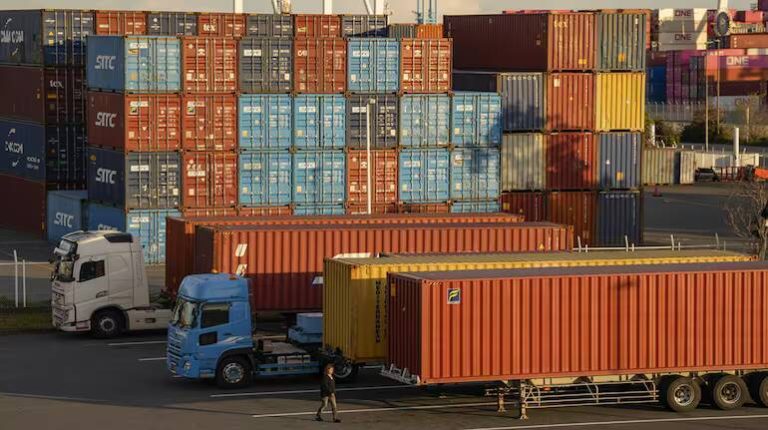
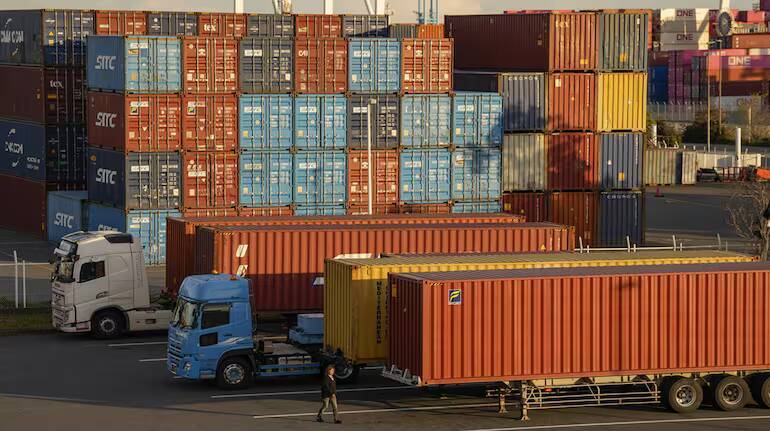
As the Indian government prepares to unveil the Budget 2026, exporters from various tariff-hit sectors are pinning their hopes on the finance ministry to introduce measures that will help them remain competitive in overseas markets. The upcoming budget is expected to provide relief to exporters who have been struggling to cope with the impact of higher tariffs imposed by countries like the United States.
According to a report by Moneycontrol, the US has imposed higher tariffs on most Indian exports, affecting key sectors such as textiles, apparel, gems and jewellery, and chemicals. The increased tariffs have made it challenging for Indian exporters to compete with their global counterparts, resulting in a decline in exports and a subsequent impact on the country’s economy.
To mitigate the effects of the tariff hike, exporters are seeking customs duty rationalisation, among other measures, to reduce the cost of production and make their products more competitive in the global market. The industry is also urging the government to provide support to Micro, Small, and Medium Enterprises (MSMEs), which are the backbone of the Indian economy.
MSMEs play a vital role in the country’s export sector, and their growth is critical to achieving the government’s ambitious export targets. However, these small businesses often struggle to cope with the impact of tariff hikes, as they have limited resources and are unable to absorb the increased costs. The government’s support to MSMEs, therefore, is crucial to help them navigate the challenges posed by the tariff hike.
Another area where the industry is seeking relief is in the adoption of clean energy and technology upgrades. With the growing emphasis on sustainability and reducing carbon footprint, exporters are looking to adopt environmentally friendly practices and technologies to remain competitive in the global market. The government’s support in this area will not only help exporters reduce their carbon footprint but also make their products more attractive to environmentally conscious consumers.
The call for duty rationalisation and other relief measures comes at a time when the Indian economy is facing significant challenges. The country’s exports have been impacted by the global economic slowdown, and the tariff hike has further exacerbated the situation. The government’s response to the industry’s demands will be critical in determining the future of Indian exports and the country’s economic growth.
In recent years, the Indian government has taken several measures to support exporters, including the introduction of new export incentive schemes and the simplification of export procedures. However, the industry is seeking more targeted measures to address the specific challenges posed by the tariff hike.
The government’s budget for 2026 is expected to provide a comprehensive plan to support exporters and help them navigate the challenges posed by the tariff hike. The industry is hoping that the finance ministry will introduce measures such as customs duty rationalisation, MSME support, and incentives for clean energy and technology upgrades to help exporters remain competitive in the global market.
As the budget announcement approaches, the industry is watching with bated breath, hoping that the government will introduce measures that will provide relief to tariff-hit exporters. The government’s response to the industry’s demands will have a significant impact on the country’s export sector and the overall economy.
In conclusion, the upcoming budget is a critical opportunity for the government to provide relief to tariff-hit exporters and support the growth of the country’s export sector. The industry’s demands for customs duty rationalisation, MSME support, and incentives for clean energy and technology upgrades are reasonable and necessary to help exporters remain competitive in the global market. The government’s response to these demands will determine the future of Indian exports and the country’s economic growth.
About the Author