Trump Imposes 25% Tariff on Imports of Some Advanced AI Chips
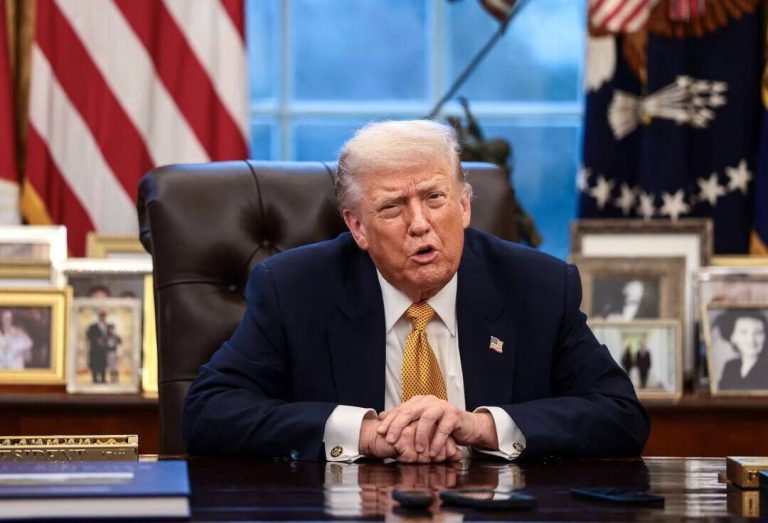
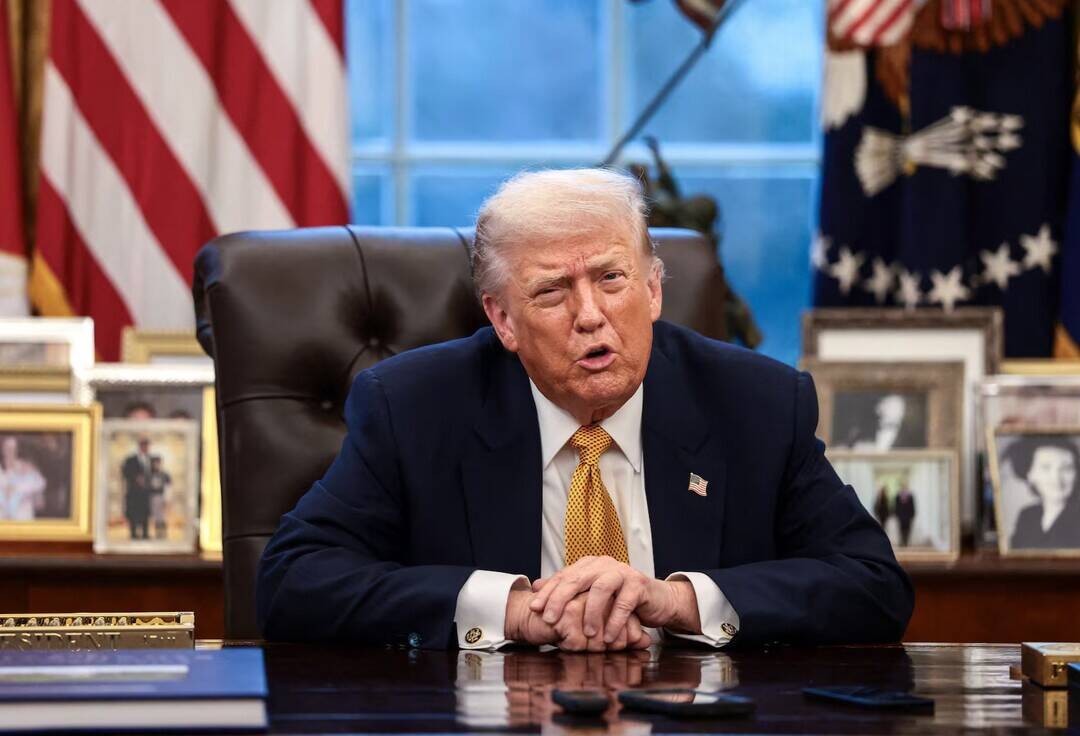
In a move that is expected to have significant implications for the technology industry, US President Donald Trump on Wednesday imposed a 25% tariff on certain advanced AI chips, including the NVIDIA H200 and AMD MI325X. The decision, which was announced by the White House, cited economic and national security risks arising from insufficient domestic production as the reason for the tariff.
The tariff, which will apply to imports of advanced computing chips used in a range of applications, including artificial intelligence, machine learning, and data analytics, is intended to encourage the development of a domestic industry for these critical components. The White House stated that the tariff is necessary to address the risks posed by the country’s reliance on foreign suppliers for these advanced chips, which are used in a range of critical applications, including defense, healthcare, and finance.
The move is seen as a significant escalation of the Trump administration’s efforts to protect American technology companies and promote domestic production of critical components. The administration has been increasingly concerned about the country’s reliance on foreign suppliers, particularly China, for advanced technology components, and has been seeking to reduce this dependence through a range of measures, including tariffs and investment restrictions.
The tariff will apply to imports of advanced AI chips, including those used in high-performance computing, artificial intelligence, and machine learning applications. However, chips imported to support the buildout of the US technology supply chain will not be affected, the White House said. This exemption is intended to ensure that the tariff does not disrupt the development of new technologies and applications that rely on these advanced chips.
The impact of the tariff on the technology industry is likely to be significant. Companies that rely on imports of advanced AI chips, including tech giants such as Google, Amazon, and Facebook, may be forced to pay higher prices for these components, which could increase their costs and reduce their competitiveness. The tariff may also lead to shortages of these critical components, which could disrupt the development and deployment of new technologies and applications.
The reaction to the tariff from the technology industry has been mixed. Some companies have welcomed the move, seeing it as a necessary step to promote domestic production and reduce reliance on foreign suppliers. Others have expressed concern about the potential impact on their costs and competitiveness, and have urged the administration to reconsider the tariff.
The decision to impose a tariff on advanced AI chips is also likely to have significant implications for the global technology industry. The move may lead to retaliatory measures from other countries, which could escalate into a full-blown trade war. This could have significant consequences for the global economy, and may disrupt the development and deployment of new technologies and applications.
In conclusion, the imposition of a 25% tariff on imports of certain advanced AI chips is a significant move that is likely to have far-reaching implications for the technology industry. While the move is intended to promote domestic production and reduce reliance on foreign suppliers, it may also lead to higher costs and reduced competitiveness for companies that rely on these critical components. As the situation continues to evolve, it will be important to monitor the impact of the tariff and assess its effectiveness in achieving the administration’s goals.
The decision to impose a tariff on advanced AI chips is a complex issue, and there are valid arguments on both sides. On the one hand, the tariff may help to promote domestic production and reduce reliance on foreign suppliers, which could improve national security and economic competitiveness. On the other hand, the tariff may also lead to higher costs and reduced competitiveness for companies that rely on these critical components, which could have negative consequences for the economy and the development of new technologies.
As the debate over the tariff continues, it will be important to consider the potential impact on the technology industry and the broader economy. The administration will need to carefully monitor the effects of the tariff and make adjustments as necessary to ensure that it is achieving its intended goals. This may involve providing support to domestic companies that are developing advanced AI chips, as well as working with international partners to promote the development of a global industry for these critical components.
Ultimately, the imposition of a 25% tariff on imports of certain advanced AI chips is a significant move that reflects the Trump administration’s commitment to promoting domestic production and reducing reliance on foreign suppliers. While the move may have significant implications for the technology industry, it is also an opportunity for American companies to develop and deploy new technologies and applications that rely on these critical components.
For more information on this topic, please visit: https://www.reuters.com/world/us/trump-imposes-25-tariff-imports-some-advanced-computing-chips-2026-01-14/
About the Author