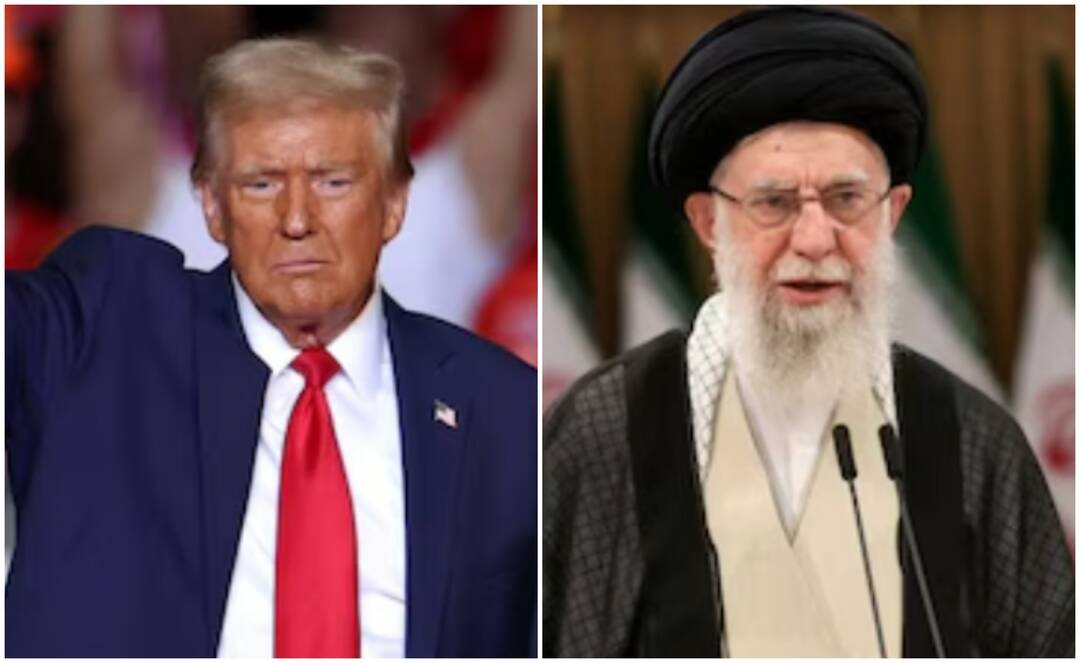
US could launch military action against Iran within ‘next 24 hours’: Report
The United States could be on the brink of launching military action against Iran, with European officials warning that an attack could come within the next 24 hours. This assessment comes as tensions between the two nations continue to escalate, with both sides engaging in a war of words and threats of retaliation.
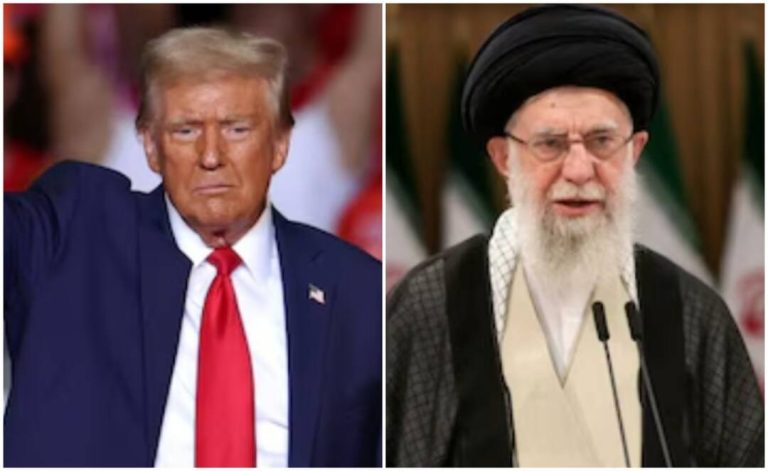
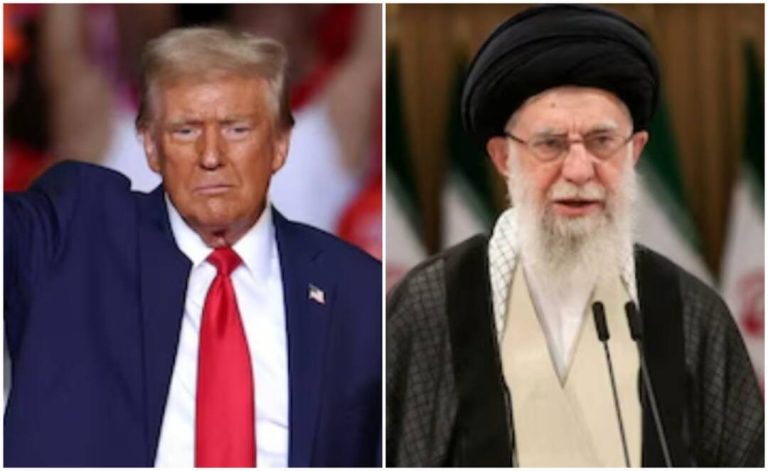
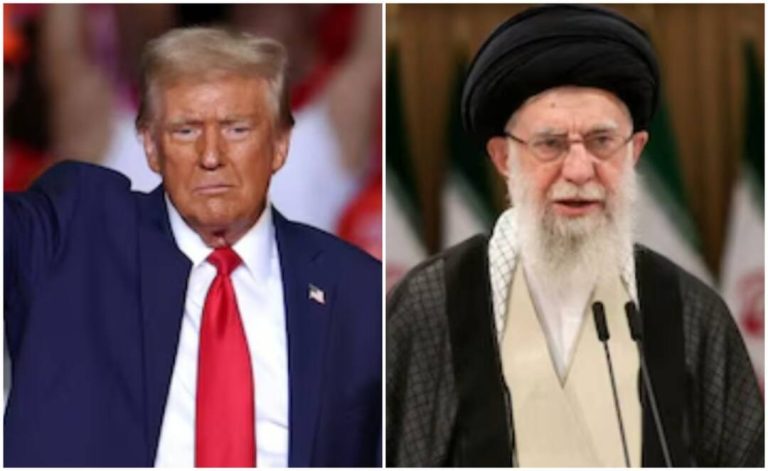
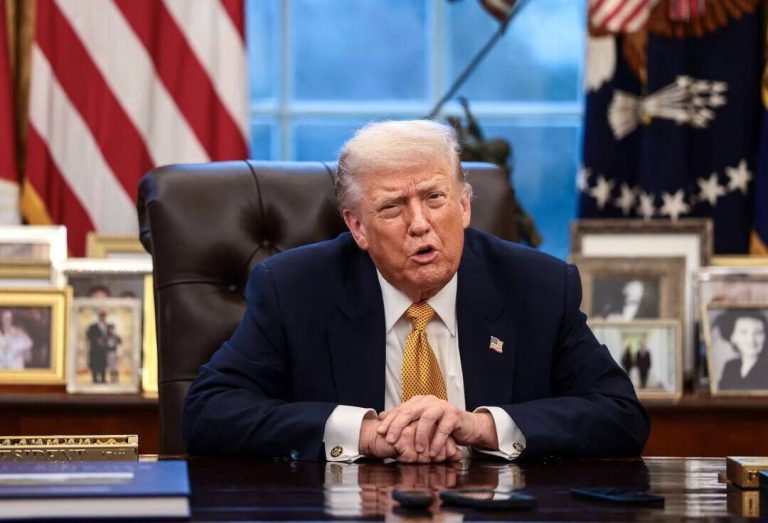
According to reports, European officials have told Reuters that the US could launch military action against Iran within the next 24 hours. This warning comes as President Donald Trump issued a stern warning to Tehran, cautioning against executing detained protesters. The President warned that if Iran proceeds with the executions, the US will take “very strong action” against the Islamic Republic.
The threat of military action against Iran has been building for some time, with tensions between the two nations simmering for months. The US has been critical of Iran’s human rights record, particularly with regards to the treatment of protesters. In recent weeks, Iran has detained thousands of protesters, with many facing execution for their involvement in the demonstrations.
Iran, however, has refused to back down, with the government issuing a counter-warning to the US. Tehran has warned that if the US launches an attack, it will retaliate against American military bases in Saudi Arabia, the UAE, and Turkey. This threat has raised concerns among European officials, who fear that a military conflict between the US and Iran could have far-reaching consequences for the region.
The possibility of military action against Iran has also sparked concerns among analysts, who warn that an attack could have unintended consequences. Some have pointed out that an attack on Iran could lead to a wider conflict, drawing in other nations and causing instability in the region. Others have warned that an attack could also have economic consequences, particularly with regards to the global oil market.
The US has a long history of military intervention in the Middle East, with many of its previous actions having failed to achieve their intended objectives. The invasion of Iraq in 2003, for example, was intended to topple the regime of Saddam Hussein and bring stability to the region. Instead, the invasion led to a protracted and bloody conflict, with many thousands of civilians killed or displaced.
Similarly, the US intervention in Libya in 2011 was intended to topple the regime of Muammar Gaddafi and bring democracy to the country. Instead, the intervention led to a power vacuum, with many militant groups taking advantage of the chaos to establish themselves in the country.
Given this history, it is understandable that many are skeptical about the potential for military action against Iran. Some have argued that the US should instead focus on diplomatic efforts, working with other nations to pressure Iran into improving its human rights record and reducing its support for militant groups.
Others have pointed out that military action against Iran could also have significant consequences for the US itself. An attack on Iran could lead to a surge in anti-American sentiment, both in the Middle East and around the world. It could also lead to a increase in terrorist attacks, as militant groups seek to retaliate against the US for its actions.
As the situation continues to unfold, it remains to be seen whether the US will launch military action against Iran. One thing is certain, however: the consequences of such an action would be far-reaching and potentially devastating.
In conclusion, the possibility of military action against Iran is a serious and concerning development. The US and Iran have a long and complex history, with many tensions and conflicts between them. While the US has a legitimate interest in promoting human rights and stability in the region, military action is not necessarily the best way to achieve these objectives.
As the world waits with bated breath to see what will happen next, one thing is clear: the situation between the US and Iran is highly volatile and potentially explosive. It is imperative that both sides work to reduce tensions and find a peaceful resolution to their differences, rather than resorting to military action.
About the Author