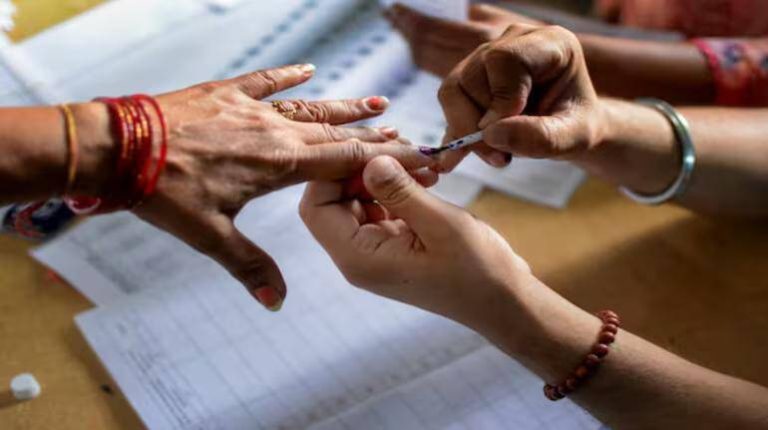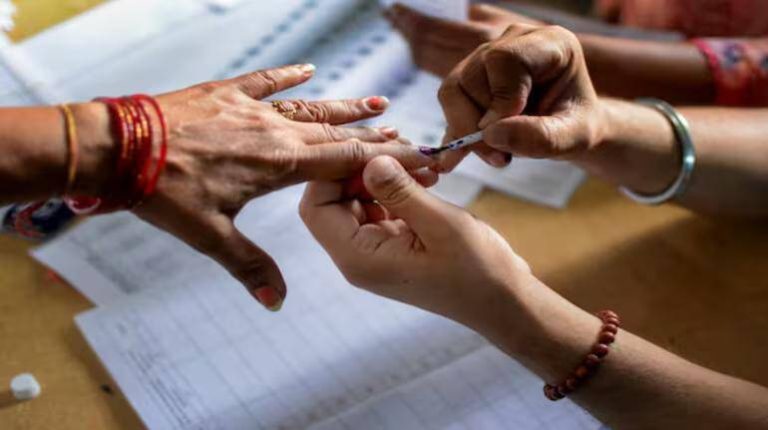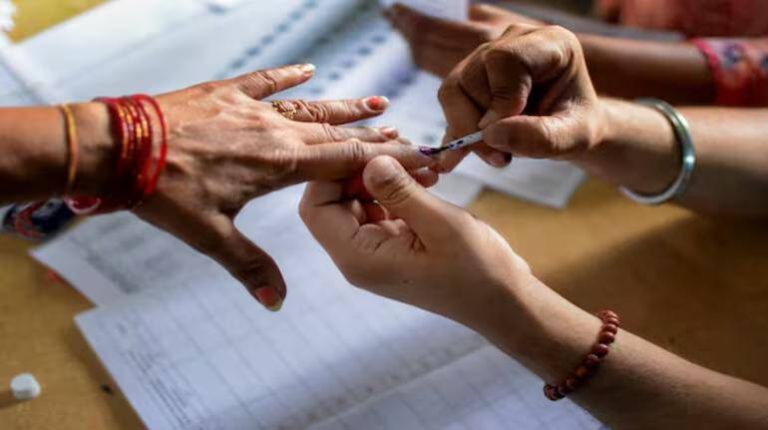
Voting begins for BMC elections in Mumbai
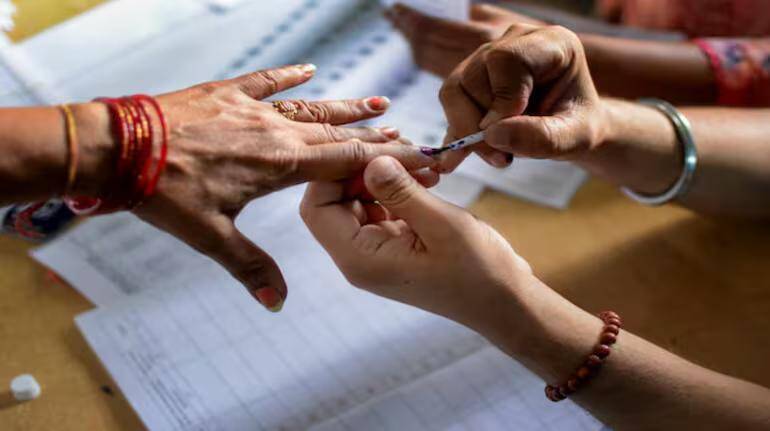
Voting for Brihanmumbai Municipal Corporation (BMC) elections began on Thursday across all 227 wards in Greater Mumbai. The polling stations will remain open until 5:30 pm, giving citizens a chance to exercise their right to vote and choose their representatives for the next five years. Around 1,700 candidates are contesting for 227 seats in India’s richest civic body, making this election a highly competitive and closely watched event.
The BMC elections are significant not only for the city of Mumbai but also for the state of Maharashtra, as the civic body has a budget of over Rs 30,000 crore, which is more than many small states in India. The BMC is responsible for providing various civic services such as water supply, sanitation, roads, and healthcare to the citizens of Mumbai. Therefore, the elections to the BMC are crucial in determining the direction of the city’s development and growth.
The voting process began at 7:30 am, with long queues of voters seen outside polling stations across the city. The polling stations are equipped with Electronic Voting Machines (EVMs) and Voter-Verified Paper Audit Trail (VVPAT) systems to ensure the integrity and transparency of the voting process. The voters are required to produce their voter ID cards and other identification documents to cast their votes.
The candidates contesting the BMC elections belong to various political parties, including the Bharatiya Janata Party (BJP), Shiv Sena, Indian National Congress, Nationalist Congress Party (NCP), and others. Many independent candidates are also in the fray, making the elections even more competitive.
The issues that are dominating the BMC election campaign include infrastructure development, traffic congestion, pollution, and civic amenities. The citizens of Mumbai are looking for candidates who can provide them with better services and improve the overall quality of life in the city.
The counting of votes will begin at 10 am on Friday, and results are expected by the end of the day. The results will determine the composition of the new BMC, which will have a significant impact on the city’s development and governance.
The BMC elections are also significant because they are seen as a litmus test for the major political parties in Maharashtra. The outcome of the elections will have implications for the state politics and may influence the course of future elections in the state.
In the run-up to the elections, the political parties and candidates have been campaigning aggressively, using various platforms to reach out to the voters. The social media has played a significant role in the campaign, with candidates and parties using platforms like Twitter, Facebook, and WhatsApp to connect with the voters.
The BMC has also taken various measures to ensure a smooth and fair voting process. The civic body has set up a grievance redressal system to address any complaints or issues that may arise during the voting process. The voters can also use a mobile app to locate their polling stations and get other information related to the elections.
As the voting process is underway, the citizens of Mumbai are eagerly waiting for the results, which will determine the future course of their city. The BMC elections are a significant event in the city’s calendar, and the outcome will have far-reaching implications for the city’s development and governance.
In conclusion, the voting for BMC elections in Mumbai has begun, and the citizens are exercising their right to vote. The elections are significant not only for the city but also for the state of Maharashtra. The outcome of the elections will determine the composition of the new BMC and will have a significant impact on the city’s development and governance. The citizens are eagerly waiting for the results, which will be announced on Friday.
For more information on the BMC elections, please visit the official website of the BMC: https://www.mcgm.gov.in/irj/portal/anonymous/qlBMCElect2025.
News Source: https://www.mcgm.gov.in/irj/portal/anonymous/qlBMCElect2025
About the Author