Trump Imposes 25% Tariff on Imports of Some Advanced AI Chips
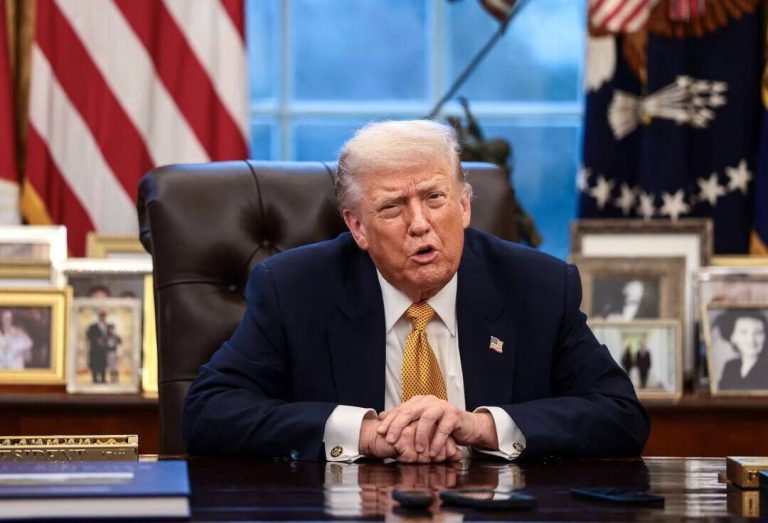
In a move that is expected to have significant implications for the tech industry, US President Donald Trump on Wednesday imposed a 25% tariff on certain advanced AI chips, including the NVIDIA H200 and AMD MI325X. The decision, announced by the White House, cites economic and national security risks arising from insufficient domestic production as the reason for the tariff. This move is aimed at promoting domestic production of these critical components and reducing the country’s reliance on foreign suppliers.
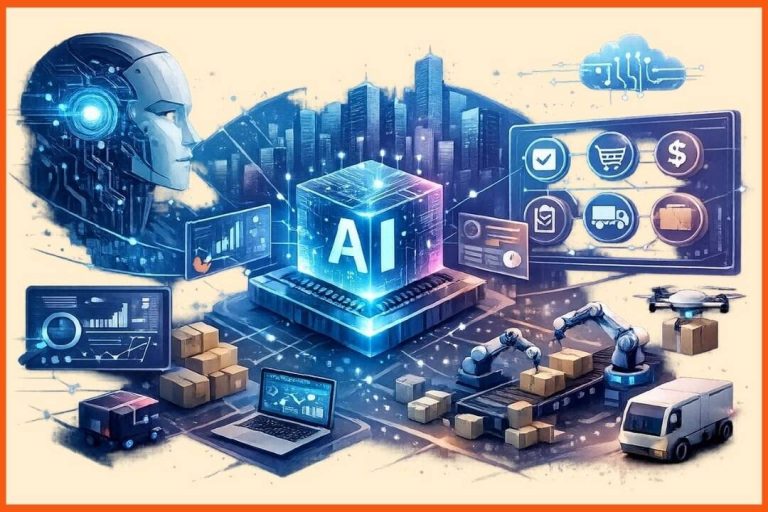
The tariff will apply to a specific range of advanced AI chips that are used in a variety of applications, including data centers, supercomputers, and artificial intelligence systems. The NVIDIA H200 and AMD MI325X are two of the most advanced AI chips on the market, and are widely used in industries such as finance, healthcare, and transportation. The 25% tariff will increase the cost of these chips for US companies, which could lead to higher prices for consumers and potentially slow down the adoption of AI technology.
However, the White House has emphasized that chips imported to support the buildout of the US technology supply chain will not be affected by the tariff. This means that companies that are working to establish domestic production of these chips will not face the same level of tariffs as those that are simply importing them from abroad. This exemption is designed to encourage companies to invest in domestic production and help to reduce the country’s reliance on foreign suppliers.
The decision to impose a tariff on advanced AI chips is part of a broader effort by the Trump administration to promote domestic production of critical technologies. The administration has expressed concerns about the national security implications of relying on foreign suppliers for these components, and has been working to encourage companies to invest in domestic production. The tariff is seen as a key tool in this effort, as it will make it more expensive for companies to import these chips from abroad and encourage them to look for domestic alternatives.
The impact of the tariff on the tech industry is likely to be significant. Companies that rely on imported AI chips, such as data center operators and supercomputer manufacturers, will face higher costs and may need to pass these on to their customers. This could lead to higher prices for consumers and potentially slow down the adoption of AI technology. On the other hand, companies that are investing in domestic production of these chips may see an increase in demand and be able to capitalize on the tariff to gain a competitive advantage.
The reaction to the tariff from the tech industry has been mixed. Some companies, such as NVIDIA and AMD, have expressed concerns about the impact of the tariff on their businesses. Others, such as Intel and Micron, have welcomed the move and see it as an opportunity to increase their domestic production and gain a competitive advantage.
The move is also likely to have implications for the global trade landscape. The US is a major market for AI chips, and the tariff is likely to have a significant impact on the global supply chain. Companies that export these chips to the US may need to reassess their pricing and supply chain strategies in response to the tariff. This could lead to a shift in the global balance of trade, as companies look for alternative markets and suppliers.
In conclusion, the imposition of a 25% tariff on imports of certain advanced AI chips is a significant move by the Trump administration. The decision is aimed at promoting domestic production of these critical components and reducing the country’s reliance on foreign suppliers. While the impact of the tariff on the tech industry is likely to be significant, it is also seen as an opportunity for companies that are investing in domestic production to gain a competitive advantage. As the global trade landscape continues to evolve, it will be important to watch how this move plays out and what implications it has for the tech industry and beyond.
About the Author