Tariff-hit exporters seek duty rationalisation in Budget 2026
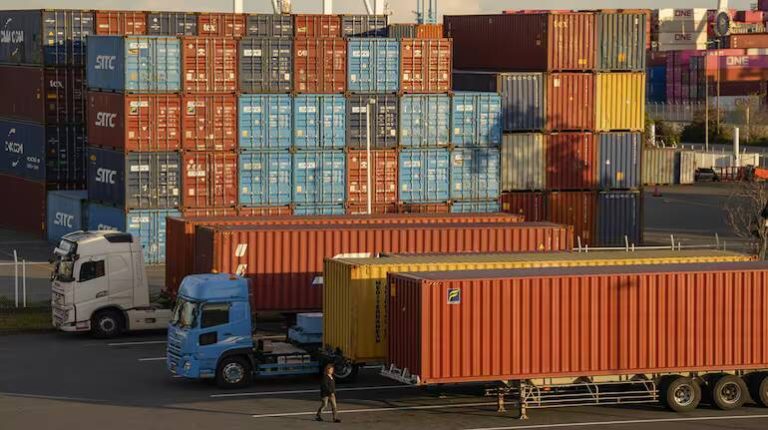
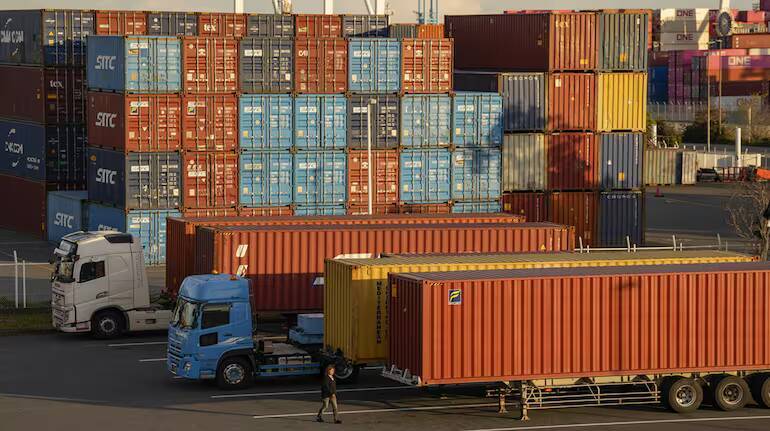
As the Indian government prepares to unveil the Budget for 2026, exporters from various tariff-hit sectors are pinning their hopes on measures that can help them remain competitive in overseas markets. With the US imposing higher tariffs on most Indian exports, the impact has been felt across sectors such as textiles, apparel, gems and jewellery, and chemicals. In a bid to mitigate this effect, the industry is seeking customs duty rationalisation, among other relief measures, in the upcoming Budget.
The tariffs imposed by the US have significantly increased the cost of Indian exports, making them less competitive in the global market. This has resulted in a decline in exports, affecting the livelihoods of millions of people employed in these sectors. The textiles and apparel sector, for instance, is one of the largest employment generators in the country, with a significant portion of its production being exported to the US. The higher tariffs have made it challenging for Indian exporters to compete with their counterparts from other countries, such as Vietnam and Bangladesh, which enjoy lower tariffs.
The gems and jewellery sector is another significant contributor to India’s export economy, with the US being one of its largest markets. However, the higher tariffs have led to a decline in exports, affecting the sector’s growth and employment opportunities. The chemicals sector, which is a critical component of various industries, including pharmaceuticals and textiles, is also facing the heat of higher tariffs. The increased cost of exports has made it difficult for Indian chemical manufacturers to compete with their global peers, leading to a decline in exports and a consequent impact on the domestic industry.
In this context, the industry is seeking measures such as customs duty rationalisation to help them remain competitive in overseas markets. The exporters are urging the government to reduce customs duties on raw materials and intermediates used in the production of export goods. This, they believe, will help reduce the cost of production and make Indian exports more competitive in the global market.
Apart from customs duty rationalisation, the industry is also seeking support for Micro, Small, and Medium Enterprises (MSMEs), which are the backbone of the export sector. MSMEs face various challenges, including limited access to finance, technology, and markets, which hinders their ability to compete with larger enterprises. The industry is urging the government to provide support to MSMEs through measures such as easy access to finance, technology upgradation, and market access.
Another critical area that the industry is seeking support in is clean energy use. With the global focus shifting towards sustainable and environmentally friendly practices, the use of clean energy has become essential for industries to remain competitive. The Indian government has set ambitious targets for renewable energy, and the industry is seeking support to transition to clean energy sources. This, they believe, will not only help reduce their carbon footprint but also make them more competitive in the global market.
The industry is also seeking support for technology upgradation, which is critical for improving productivity and competitiveness. With the rapid pace of technological advancements, industries need to constantly upgrade their technologies to remain relevant. The government can play a crucial role in supporting the industry by providing incentives for technology upgradation, such as subsidies, tax breaks, or low-cost financing.
In conclusion, the tariff-hit exporters are seeking measures such as customs duty rationalisation, MSME support, clean energy use, and technology upgradation in the upcoming Budget to remain competitive in overseas markets. With the US imposing higher tariffs on most Indian exports, the industry is facing significant challenges, and the government’s support is essential to mitigate this effect. The Budget for 2026 provides an opportunity for the government to address the concerns of the export sector and provide relief measures to help them navigate the challenging global trade landscape.
As the government prepares to unveil the Budget, the industry is watching with bated breath, hoping that their concerns will be addressed. The measures announced in the Budget will have a significant impact on the export sector, and the industry is urging the government to provide support to help them remain competitive in overseas markets.
About the Author