Trump Imposes 25% Tariff on Imports of Some Advanced AI Chips
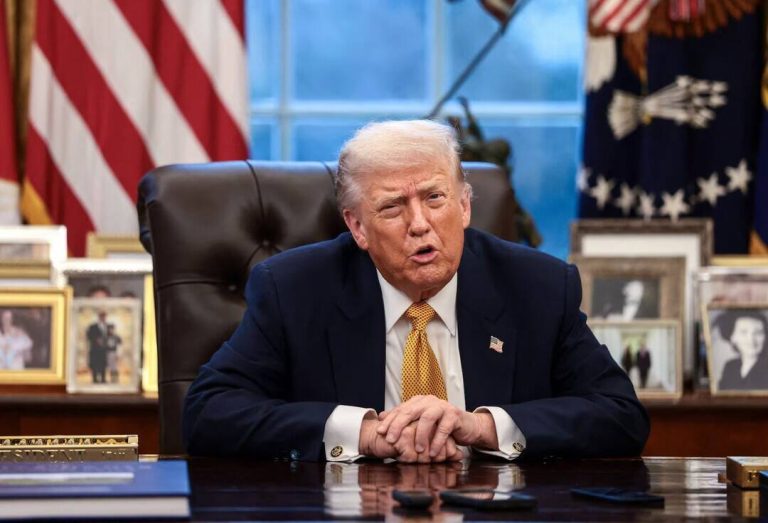
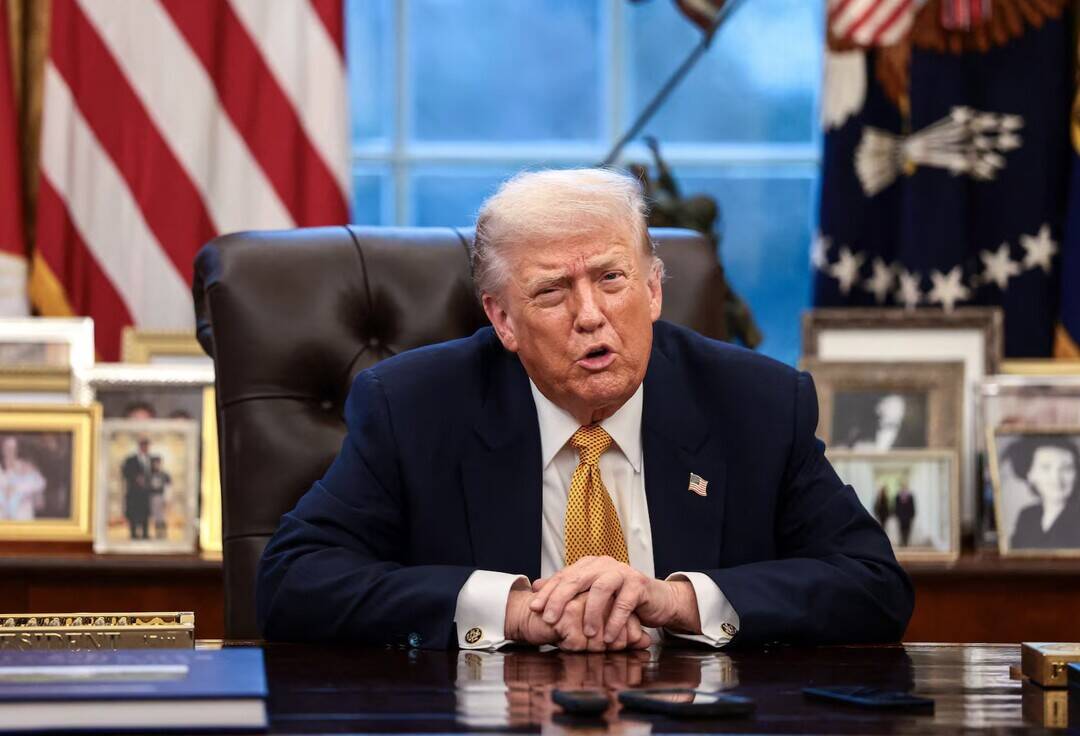
In a move that is likely to have significant implications for the technology industry, US President Donald Trump on Wednesday imposed a 25% tariff on certain advanced AI chips, including the NVIDIA H200 and AMD MI325X. The decision, which was announced by the White House, cites economic and national security risks arising from insufficient domestic production as the reason for the tariff.
According to the White House, the tariff is aimed at addressing the country’s reliance on foreign suppliers for critical components of advanced computing systems. The administration argues that this dependence poses a risk to national security, as well as the country’s economic competitiveness. The tariff is intended to encourage domestic production of these critical components, thereby reducing the country’s reliance on foreign suppliers.
The tariff will apply to certain advanced AI chips, including those used in high-performance computing, artificial intelligence, and machine learning applications. However, chips imported to support the buildout of the US technology supply chain will not be affected, the White House said. This exemption is likely intended to minimize disruptions to the domestic technology industry, which relies heavily on imports of critical components.
The decision to impose a tariff on advanced AI chips is the latest in a series of moves by the Trump administration to address concerns around the country’s technology supply chain. In recent years, the administration has taken steps to restrict the use of certain foreign-made technologies, citing national security concerns. The move is also seen as part of a broader effort to promote domestic manufacturing and reduce the country’s trade deficit.
The impact of the tariff on the technology industry is likely to be significant. Companies that rely heavily on imports of advanced AI chips, such as NVIDIA and AMD, may be forced to absorb the cost of the tariff or pass it on to consumers. This could lead to higher prices for products that rely on these chips, such as graphics cards, servers, and supercomputers.
The tariff may also have implications for the development of emerging technologies, such as artificial intelligence and machine learning. These technologies rely heavily on advanced computing systems, which are powered by the types of chips that are subject to the tariff. Higher costs for these chips could slow the development and deployment of these technologies, which are seen as critical to the country’s economic competitiveness.
In addition to the economic implications, the tariff may also have geopolitical implications. The move is likely to be seen as a provocation by foreign suppliers of advanced AI chips, such as China and Taiwan. These countries may respond with their own tariffs or other trade restrictions, which could escalate into a broader trade war.
The decision to impose a tariff on advanced AI chips has been met with mixed reactions from industry experts. Some have praised the move as a necessary step to promote domestic manufacturing and reduce the country’s reliance on foreign suppliers. Others have criticized the move as a protectionist measure that will harm the technology industry and slow the development of emerging technologies.
Overall, the imposition of a 25% tariff on certain advanced AI chips is a significant development that is likely to have far-reaching implications for the technology industry. As the industry adjusts to this new reality, it will be important to monitor the impact of the tariff and assess its effectiveness in promoting domestic manufacturing and reducing the country’s reliance on foreign suppliers.
In conclusion, the Trump administration’s decision to impose a 25% tariff on certain advanced AI chips is a complex issue with significant economic, national security, and geopolitical implications. While the move is intended to promote domestic manufacturing and reduce the country’s reliance on foreign suppliers, it may also have unintended consequences, such as higher prices for consumers and slowed development of emerging technologies. As the industry navigates this new landscape, it will be important to stay informed and adapt to the changing regulatory environment.
About the Author