Trump Imposes 25% Tariff on Imports of Some Advanced AI Chips
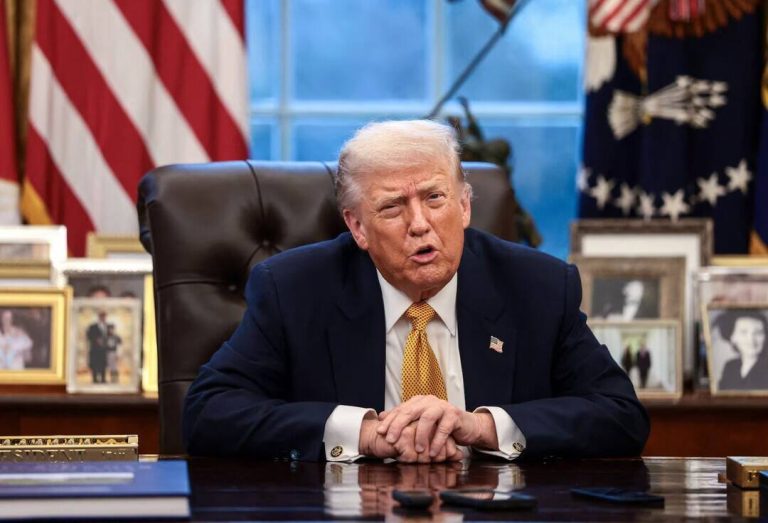
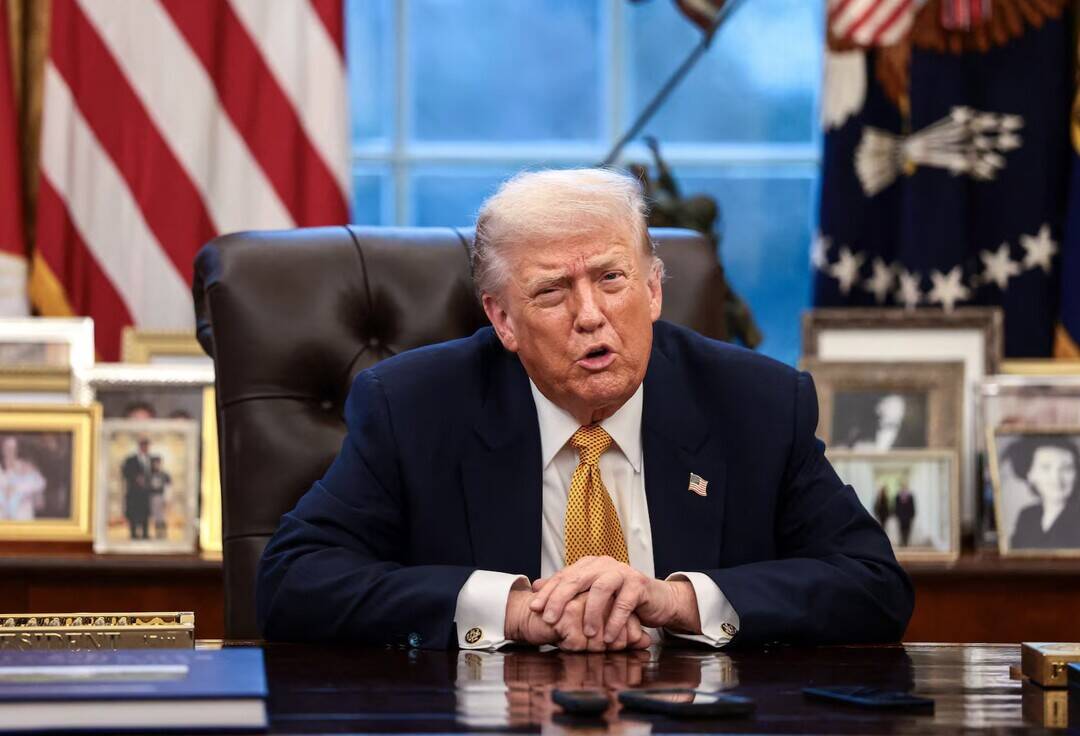
In a move that is set to have significant implications for the global technology industry, US President Donald Trump on Wednesday imposed a 25% tariff on certain advanced AI chips, including the NVIDIA H200 and AMD MI325X. The decision, which was announced by the White House, cited economic and national security risks arising from insufficient domestic production as the reason for the tariff.
The affected chips are used in a wide range of applications, including artificial intelligence, machine learning, and high-performance computing. The tariff will apply to imports of these chips from countries around the world, although chips imported to support the buildout of the US technology supply chain will be exempt.
The move is seen as an attempt by the Trump administration to boost domestic production of advanced AI chips and reduce the country’s reliance on foreign suppliers. The US has long been concerned about the potential risks associated with relying on foreign companies for critical technologies, particularly those related to national security.
The White House said that the tariff was necessary to address the economic and national security risks posed by the lack of domestic production of advanced AI chips. “The US is heavily reliant on foreign suppliers for these critical components, which poses a significant risk to our national security and economic competitiveness,” a spokesperson for the White House said.
The tariff is set to have a significant impact on companies that import advanced AI chips, including tech giants such as Google, Amazon, and Facebook. These companies rely heavily on foreign suppliers, particularly those in Asia, for their AI chip needs.
The move is also likely to have implications for the global semiconductor industry, which is already facing significant challenges due to the COVID-19 pandemic and ongoing trade tensions. The industry has been warning about the potential risks of trade restrictions and tariffs, which could disrupt global supply chains and lead to higher costs for consumers.
The affected chips, including the NVIDIA H200 and AMD MI325X, are used in a wide range of applications, including artificial intelligence, machine learning, and high-performance computing. These chips are designed to handle complex computational tasks, such as image and speech recognition, natural language processing, and predictive analytics.
The NVIDIA H200, for example, is a high-end AI chip that is used in applications such as autonomous vehicles, robotics, and medical imaging. The chip is designed to provide high-performance computing capabilities, while also being energy-efficient and compact.
The AMD MI325X, on the other hand, is a machine learning chip that is used in applications such as data centers, cloud computing, and edge computing. The chip is designed to provide high-performance computing capabilities, while also being scalable and flexible.
The tariff on these chips is set to have significant implications for companies that rely on them for their operations. For example, companies that use the NVIDIA H200 for autonomous vehicle development may need to find alternative suppliers or pay the higher tariff.
The move is also likely to have implications for the development of emerging technologies, such as artificial intelligence and machine learning. These technologies rely heavily on advanced AI chips, which are critical for their development and deployment.
In recent years, there has been a significant increase in the use of AI and machine learning technologies, driven by advances in computing power, data storage, and algorithms. However, the development and deployment of these technologies also pose significant risks, including job displacement, bias, and cybersecurity threats.
The Trump administration has been keen to promote the development of emerging technologies, including AI and machine learning, as part of its economic and national security strategy. However, the move to impose a tariff on advanced AI chips is seen as a contradictory move, as it may hinder the development and deployment of these technologies.
The tariff on advanced AI chips is set to have significant implications for the global technology industry, and it remains to be seen how companies will respond to the move. While some companies may choose to absorb the higher costs, others may need to find alternative suppliers or pass on the costs to consumers.
In conclusion, the imposition of a 25% tariff on imports of certain advanced AI chips, including the NVIDIA H200 and AMD MI325X, is a significant move that is set to have far-reaching implications for the global technology industry. While the move is seen as an attempt to boost domestic production and reduce reliance on foreign suppliers, it may also hinder the development and deployment of emerging technologies, such as artificial intelligence and machine learning.
About the Author