Trump Imposes 25% Tariff on Imports of Some Advanced AI Chips
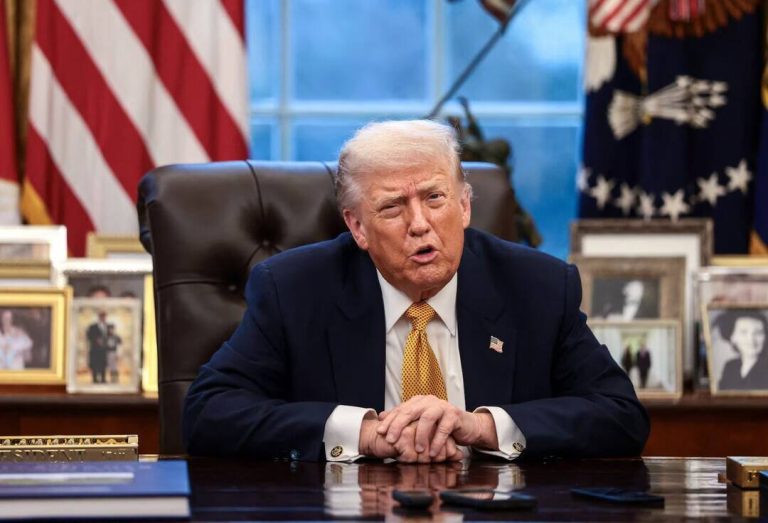
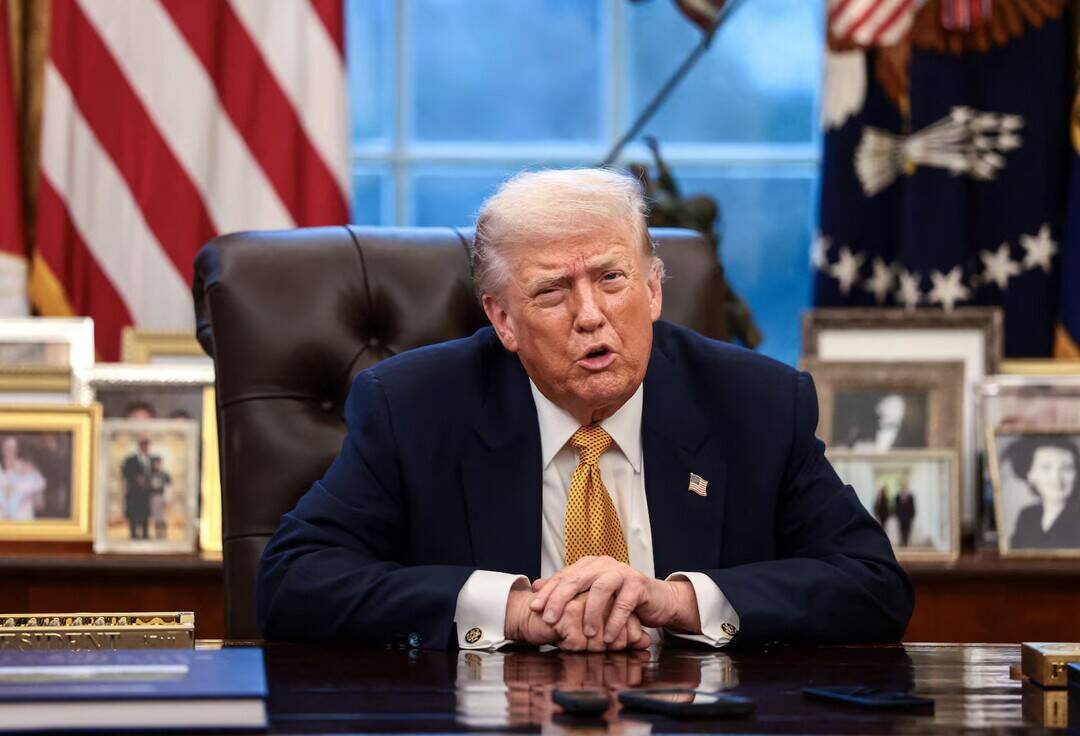
In a move aimed at addressing economic and national security risks, US President Donald Trump on Wednesday imposed a 25% tariff on certain advanced AI chips, including the NVIDIA H200 and AMD MI325X. The decision, announced by the White House, highlights the ongoing efforts by the Trump administration to promote domestic production and reduce reliance on foreign imports, particularly in critical sectors such as artificial intelligence and computing.
The tariff, which will apply to specific types of advanced computing chips, is intended to mitigate the risks associated with insufficient domestic production. According to the White House, the US is currently heavily dependent on foreign suppliers for these chips, which are used in a range of applications, including data centers, supercomputers, and other high-performance computing systems. By imposing a tariff on these imports, the administration hopes to encourage domestic manufacturers to increase production and reduce the country’s reliance on foreign suppliers.
The affected chips include the NVIDIA H200 and AMD MI325X, both of which are used in advanced AI and high-performance computing applications. These chips are designed to handle complex computational tasks, such as machine learning and data analytics, and are used in a range of industries, including finance, healthcare, and scientific research. The tariff will apply to all imports of these chips, unless they are specifically exempted under certain conditions.
However, not all imports of advanced computing chips will be subject to the tariff. The White House has announced that chips imported to support the buildout of the US technology supply chain will be exempt from the tariff. This exemption is intended to ensure that the development of critical technologies, such as 5G networks and artificial intelligence, is not hindered by the tariff. Companies that import chips for use in these applications will be able to do so without incurring the additional cost of the tariff.
The imposition of the tariff has been met with mixed reactions from industry stakeholders. Some have welcomed the move, arguing that it will help to promote domestic production and reduce reliance on foreign suppliers. Others have expressed concerns that the tariff will increase costs and hinder innovation, particularly in sectors that rely heavily on advanced computing chips.
The impact of the tariff on the broader tech industry is likely to be significant. Companies that rely on imported chips, such as data center operators and cloud computing providers, may see their costs increase as a result of the tariff. This could lead to higher prices for consumers and reduced investment in research and development. On the other hand, domestic manufacturers of advanced computing chips may see an increase in demand and revenue, as companies seek to avoid the tariff by sourcing chips from US-based suppliers.
The move is also likely to have geopolitical implications, particularly in relation to China. The US has been engaged in a longstanding trade dispute with China, and the imposition of the tariff may be seen as a further escalation of tensions between the two countries. China is a major supplier of advanced computing chips, and the tariff may affect Chinese companies that export these chips to the US.
In conclusion, the imposition of a 25% tariff on certain advanced AI chips is a significant development that reflects the Trump administration’s ongoing efforts to promote domestic production and reduce reliance on foreign imports. While the move may have benefits for domestic manufacturers, it is also likely to have significant implications for the broader tech industry and US-China trade relations. As the situation continues to evolve, it will be important to monitor the impact of the tariff and assess its effectiveness in achieving the administration’s goals.
About the Author