Tariff-hit exporters seek duty rationalisation in Budget 2026
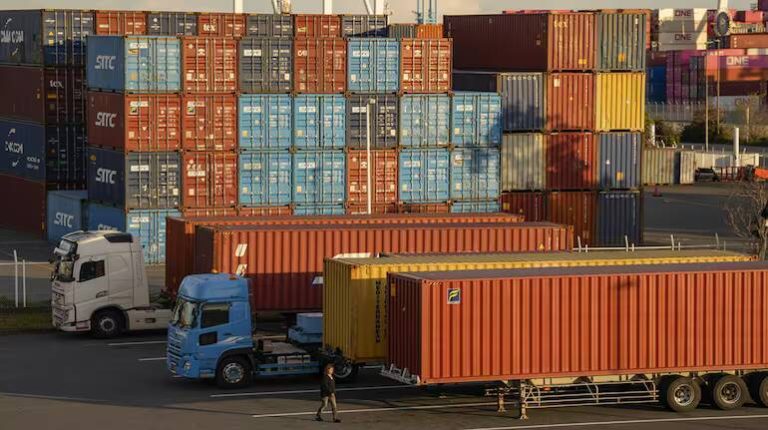
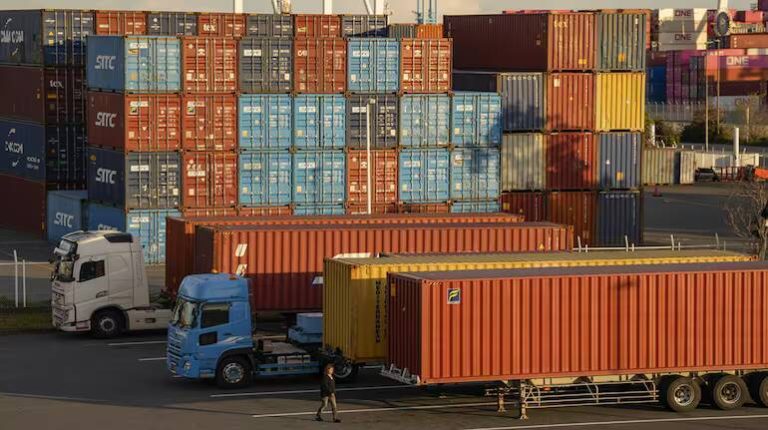
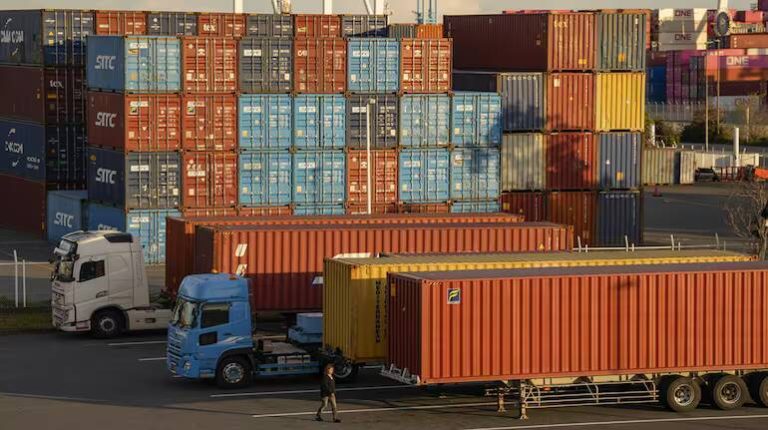
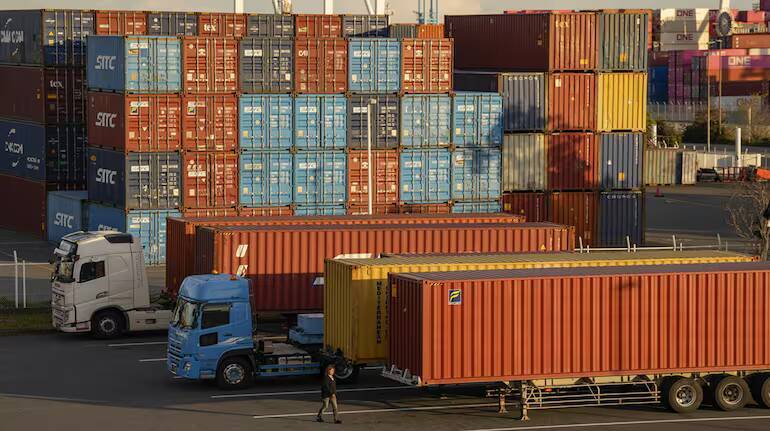
As the Indian government prepares to unveil the Budget for 2026, exporters from various tariff-hit sectors are pinning their hopes on measures that will help them remain competitive in overseas markets. The US has recently imposed higher tariffs on most Indian exports, affecting sectors such as textiles, apparel, gems and jewellery, and chemicals. In this context, the industry is seeking customs duty rationalisation, support for Micro, Small, and Medium Enterprises (MSMEs), incentives for clean energy use, and technological upgrades to stay ahead in the global market.
The US tariffs have dealt a significant blow to Indian exporters, who are already struggling to cope with the challenges of a rapidly changing global trade landscape. The textile and apparel sector, for instance, is one of the largest employment-generating industries in India, with a significant portion of its production being exported to countries like the US. However, with the imposition of higher tariffs, Indian exporters are finding it increasingly difficult to compete with their counterparts from other countries.
The gems and jewellery sector is another significant contributor to India’s export basket, with the country being one of the largest cut and polished diamond exporters in the world. However, the sector is facing significant challenges due to the US tariffs, which have made Indian exports less competitive in the global market. The chemicals sector, which is a critical component of various industries such as pharmaceuticals, textiles, and agrochemicals, is also facing similar challenges.
In this context, the industry is seeking measures that will help them mitigate the impact of the US tariffs and remain competitive in overseas markets. Customs duty rationalisation is one of the key demands of the industry, as it will help reduce the cost of production and make Indian exports more competitive. The industry is also seeking support for MSMEs, which are the backbone of the Indian economy and play a critical role in the export sector.
MSMEs are facing significant challenges in the wake of the US tariffs, including reduced demand, increased competition, and higher costs. The industry is seeking measures such as easy access to credit, subsidies, and other incentives to help MSMEs stay afloat and continue to export. The government has already taken some steps to support MSMEs, such as increasing the threshold for MSME classification and providing easier access to credit. However, the industry is seeking more measures to support these critical enterprises.
Another key demand of the industry is incentives for clean energy use and technological upgrades. As the world moves towards a more sustainable and environmentally-friendly model of production, Indian exporters need to adapt to these changing realities. The industry is seeking incentives such as subsidies, tax breaks, and other benefits to encourage the adoption of clean energy sources such as solar and wind power. This will not only help reduce the carbon footprint of Indian exports but also make them more competitive in the global market.
Technological upgrades are also critical for Indian exporters, as they need to stay ahead of the curve in terms of technology and innovation. The industry is seeking measures such as funding for research and development, subsidies for technology adoption, and other incentives to encourage the use of cutting-edge technologies such as artificial intelligence, blockchain, and the Internet of Things (IoT). This will help Indian exporters improve their efficiency, reduce costs, and enhance their competitiveness in the global market.
In conclusion, the upcoming Budget for 2026 is a critical opportunity for the Indian government to address the concerns of tariff-hit exporters and provide them with the support they need to remain competitive in overseas markets. Customs duty rationalisation, MSME support, incentives for clean energy use, and technological upgrades are some of the key measures that the industry is seeking. By providing these measures, the government can help Indian exporters mitigate the impact of the US tariffs and stay ahead in the global market.
As the Indian economy continues to grow and evolve, it is critical that the government provides the necessary support to exporters to help them compete in the global market. The US tariffs are a significant challenge, but with the right measures, Indian exporters can overcome these challenges and continue to thrive. The industry is hopeful that the government will take their demands into consideration and provide the necessary support in the upcoming Budget.
About the Author