Trump Imposes 25% Tariff on Imports of Some Advanced AI Chips
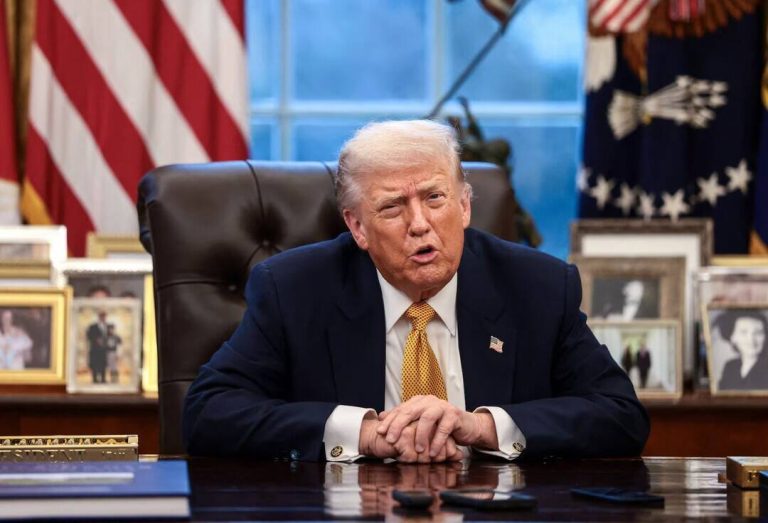
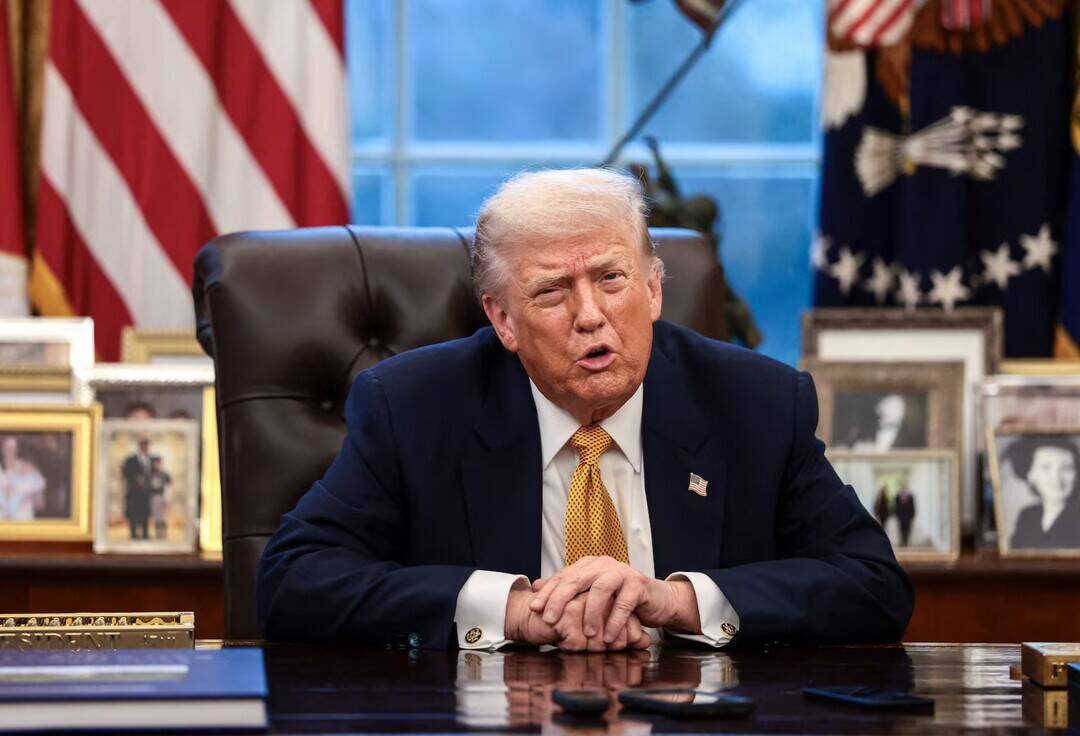
In a move aimed at addressing economic and national security concerns, US President Donald Trump announced on Wednesday the imposition of a 25% tariff on certain advanced AI chips. The affected chips include the NVIDIA H200 and AMD MI325X, which are widely used in various applications, including artificial intelligence, machine learning, and high-performance computing. The decision to impose a tariff on these imported chips is intended to promote domestic production and reduce the country’s reliance on foreign suppliers.
The White House cited the risks associated with insufficient domestic production of advanced AI chips as the primary reason for the tariff. According to the administration, the lack of domestic production capacity poses a significant threat to the country’s economic and national security. The reliance on foreign suppliers, particularly from countries like China, has raised concerns about the potential for supply chain disruptions, intellectual property theft, and other security risks.
The tariff is expected to have a significant impact on the tech industry, with companies like NVIDIA and AMD likely to be affected. However, the White House has clarified that chips imported to support the buildout of the US technology supply chain will not be subject to the tariff. This exemption is intended to ensure that the domestic industry can still access the components it needs to develop and manufacture advanced technologies.
The decision to impose a tariff on advanced AI chips is not surprising, given the current administration’s focus on promoting domestic production and reducing the country’s trade deficit. The US has been actively seeking to promote the development of its domestic tech industry, with initiatives aimed at supporting the growth of emerging technologies like AI, quantum computing, and 5G.
The imposition of the tariff is also seen as a response to the growing competition from countries like China, which has been investing heavily in the development of its domestic tech industry. China has been actively promoting the development of its own AI and semiconductor industries, with the goal of reducing its reliance on foreign suppliers and becoming a major player in the global tech market.
The impact of the tariff on the global tech industry is likely to be significant, with companies that rely on imported AI chips likely to face increased costs and supply chain disruptions. However, the tariff may also create opportunities for domestic manufacturers, which could see an increase in demand for their products.
In the short term, the tariff is likely to lead to higher prices for consumers, as companies pass on the increased costs of imported chips to their customers. However, in the long term, the tariff may help to promote the development of a more robust domestic tech industry, which could lead to the creation of new jobs and opportunities for economic growth.
The decision to impose a tariff on advanced AI chips is also seen as a reflection of the growing importance of these technologies in modern society. AI and machine learning are increasingly being used in a wide range of applications, from healthcare and finance to transportation and education. The development of advanced AI chips is critical to the continued growth and development of these technologies, and the US is seeking to ensure that it remains a leader in this field.
In conclusion, the imposition of a 25% tariff on certain advanced AI chips is a significant development that is likely to have far-reaching implications for the tech industry. While the tariff may create challenges for companies that rely on imported chips, it may also create opportunities for domestic manufacturers and help to promote the development of a more robust domestic tech industry. As the US continues to navigate the complex and rapidly evolving landscape of global trade and technology, it is likely that we will see further developments in this area.
About the Author