Tariff-hit exporters seek duty rationalisation in Budget 2026
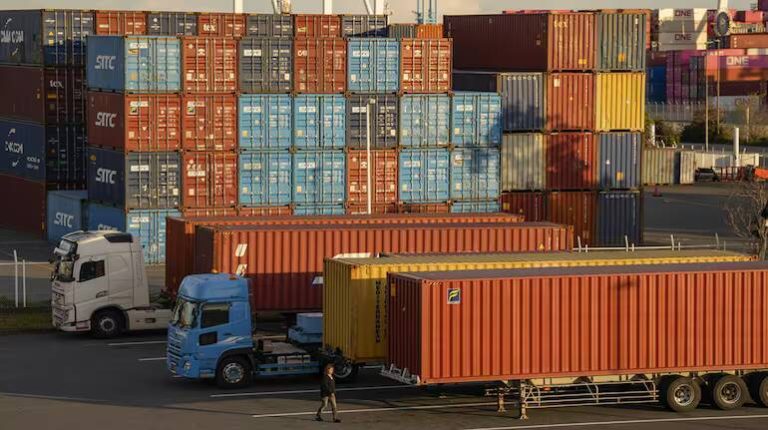
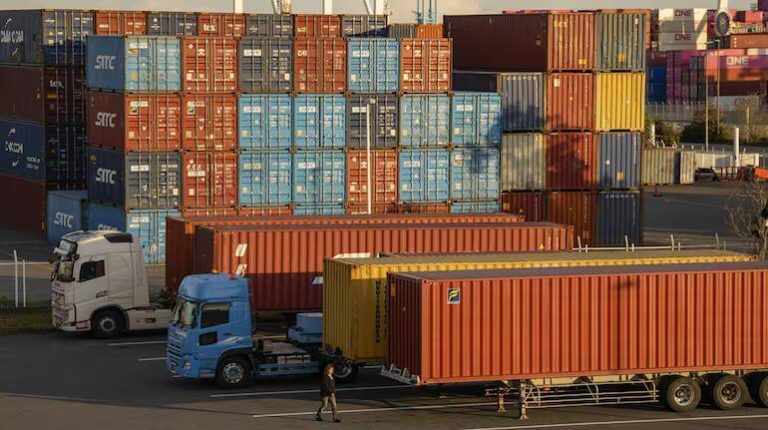
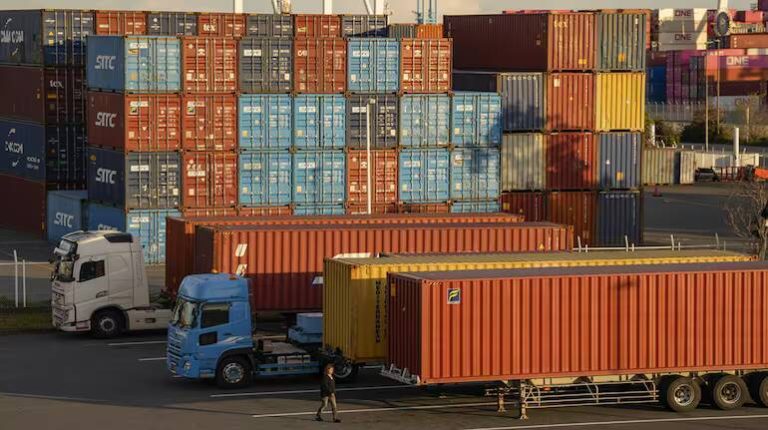
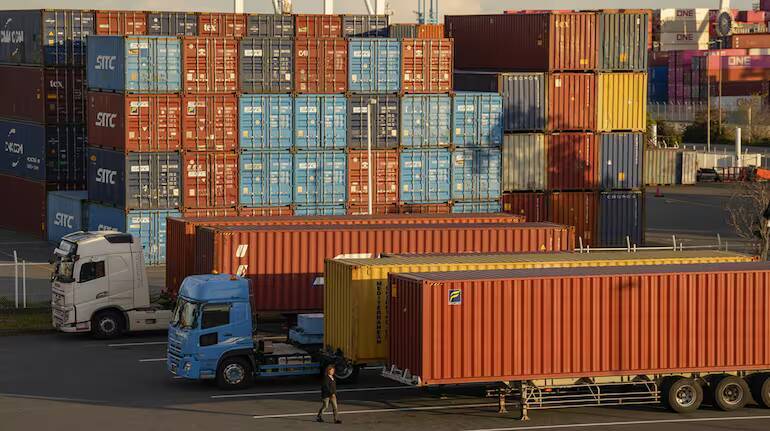
As the Indian government prepares to unveil the Budget for 2026, exporters from various sectors are eagerly awaiting measures that can help them remain competitive in overseas markets. The US has recently imposed higher tariffs on most Indian exports, affecting key sectors such as textiles, apparel, gems and jewellery, and chemicals. In response, exporters are seeking customs duty rationalisation, among other relief measures, to mitigate the impact of these tariffs and stay afloat in the global market.
The tariffs imposed by the US have dealt a significant blow to Indian exporters, who are struggling to cope with the increased costs and reduced demand. The textile industry, for instance, is one of the largest employment generators in the country, and the higher tariffs have resulted in a substantial decline in exports. Similarly, the gems and jewellery sector, which is another significant contributor to India’s export basket, has also been severely impacted. The chemicals sector, which is a critical component of various industries, including pharmaceuticals and agrochemicals, is also facing significant challenges due to the tariffs.
In this context, exporters are urging the government to introduce measures that can help them navigate these challenging times. One of the key demands is for customs duty rationalisation, which would involve reducing or exempting certain duties on imported raw materials and intermediates used in the production of export goods. This would help reduce the cost of production and make Indian exports more competitive in the global market.
Another critical area of focus is the support for Micro, Small, and Medium Enterprises (MSMEs). MSMEs are the backbone of the Indian economy, and they play a vital role in the export sector. However, they often lack the resources and scale to compete with larger players in the global market. The government is being urged to provide targeted support to MSMEs, including access to finance, technology, and training, to help them upgrade their capabilities and become more competitive.
The use of clean energy is another area where exporters are seeking relief. As the world transitions to a more sustainable and environmentally friendly economy, Indian exporters are facing increasing pressure to reduce their carbon footprint. However, the cost of transitioning to clean energy sources, such as solar or wind power, can be prohibitively expensive for many exporters. The government is being urged to provide incentives and subsidies to encourage the adoption of clean energy sources, which would not only help reduce the environmental impact of Indian exports but also make them more attractive to environmentally conscious consumers in overseas markets.
Finally, exporters are also seeking support for technology upgrades, which would enable them to improve their productivity, efficiency, and competitiveness. The use of digital technologies, such as artificial intelligence, blockchain, and the Internet of Things (IoT), can help Indian exporters to streamline their operations, reduce costs, and enhance their product offerings. However, the cost of adopting these technologies can be significant, and exporters are seeking government support to help them access these technologies and stay ahead of the curve in the global market.
In conclusion, the upcoming Budget for 2026 presents a critical opportunity for the Indian government to provide relief to tariff-hit exporters and support their efforts to remain competitive in overseas markets. By introducing measures such as customs duty rationalisation, MSME support, clean energy adoption, and technology upgrades, the government can help Indian exporters navigate the challenges posed by the US tariffs and stay ahead in the global market. As the Indian economy continues to grow and evolve, it is essential that the government provides targeted support to exporters, who play a vital role in driving economic growth, generating employment, and earning foreign exchange.
About the Author