Tariff-hit exporters seek duty rationalisation in Budget 2026
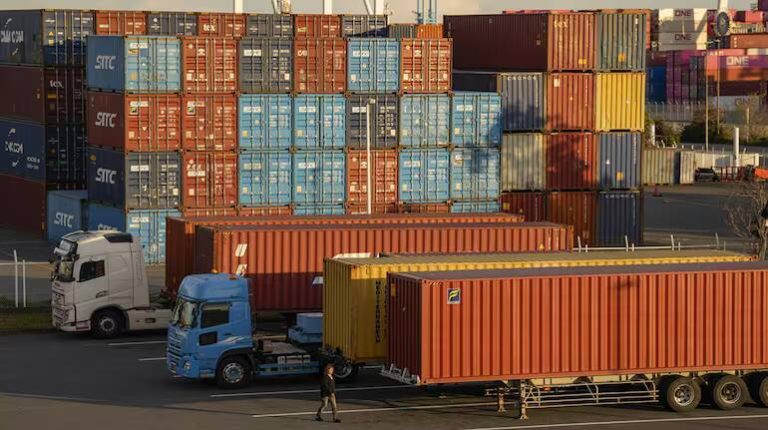
The Indian export sector is facing significant challenges due to high tariffs imposed by countries like the United States. As a result, exporters from tariff-hit sectors are seeking measures like customs duty rationalisation to remain competitive in overseas markets in the upcoming Budget 2026. According to a report by Moneycontrol, the industry is urging the government to take steps to support exporters, particularly from sectors like textiles, apparel, gems and jewellery, and chemicals, which have been severely affected by higher tariffs.
The US has imposed higher tariffs on most Indian exports, making it difficult for Indian exporters to compete with their global counterparts. The tariffs have resulted in a significant decline in exports from these sectors, affecting the livelihoods of millions of people employed in these industries. To mitigate the impact of these tariffs, exporters are seeking relief measures from the government, including customs duty rationalisation, to reduce the cost of production and make their products more competitive in the global market.
The industry is also seeking support for Micro, Small, and Medium Enterprises (MSMEs), which are the backbone of the Indian export sector. MSMEs play a crucial role in the export of goods like textiles, apparel, and gems and jewellery, but they are facing significant challenges due to the high tariffs imposed by countries like the US. The government can provide support to MSMEs by providing them with easy access to credit, reducing the compliance burden, and providing them with training and capacity-building programs to enhance their competitiveness.
Another area where the industry is seeking relief is in the use of clean energy. With the increasing focus on sustainability and reducing carbon footprint, the industry is seeking incentives to adopt clean energy sources like solar and wind power. The use of clean energy can help reduce the cost of production and make Indian exports more competitive in the global market. The government can provide incentives like tax breaks, subsidies, and low-interest loans to encourage the use of clean energy in the export sector.
The industry is also seeking support for technology upgradation to enhance competitiveness. The use of modern technology can help improve productivity, reduce costs, and enhance the quality of exports. The government can provide support for technology upgradation by providing funding for research and development, providing tax breaks for investments in new technology, and providing training and capacity-building programs for workers.
In addition to these measures, the industry is also seeking relief from carbon compliance costs. With the increasing focus on reducing carbon emissions, countries like the US and the EU are imposing carbon taxes on imports from countries that do not meet their carbon emission standards. The industry is seeking relief from these costs, which can be a significant burden on exporters. The government can provide relief by providing subsidies, tax breaks, or other incentives to encourage the use of clean energy and reduce carbon emissions.
The Budget 2026 is an opportunity for the government to provide relief to the export sector, which has been affected by high tariffs and other challenges. The government can take steps to support exporters, particularly from sectors like textiles, apparel, gems and jewellery, and chemicals, by providing measures like customs duty rationalisation, MSME support, clean energy use, and tech upgrades. These measures can help reduce the cost of production, enhance competitiveness, and increase exports from these sectors.
In conclusion, the Indian export sector is facing significant challenges due to high tariffs imposed by countries like the US. Exporters from tariff-hit sectors are seeking measures like customs duty rationalisation to remain competitive in overseas markets. The industry is also seeking support for MSMEs, clean energy use, and tech upgrades to enhance competitiveness. The government can provide relief to the export sector by taking steps to support exporters, particularly from sectors like textiles, apparel, gems and jewellery, and chemicals. The Budget 2026 is an opportunity for the government to provide relief to the export sector and support the growth of the Indian economy.
The news of tariff-hit exporters seeking duty rationalisation in Budget 2026 is a significant development, and it remains to be seen how the government will respond to the demands of the industry. One thing is certain, however, that the government needs to take steps to support the export sector, which is a critical component of the Indian economy.
The export sector is a significant contributor to the Indian economy, accounting for a substantial portion of the country’s GDP. The sector provides employment to millions of people, both directly and indirectly, and is a critical source of foreign exchange earnings. However, the sector is facing significant challenges due to high tariffs, competition from other countries, and the increasing focus on sustainability and reducing carbon emissions.
To address these challenges, the government needs to take a comprehensive approach that includes measures like customs duty rationalisation, MSME support, clean energy use, and tech upgrades. The government can also provide relief from carbon compliance costs, which can be a significant burden on exporters. By taking these steps, the government can support the growth of the export sector and enhance the competitiveness of Indian exporters in the global market.
In the end, the success of the export sector will depend on the government’s ability to respond to the demands of the industry and provide relief from the challenges faced by exporters. The Budget 2026 is an opportunity for the government to take steps to support the export sector and enhance the competitiveness of Indian exporters. We can only hope that the government will take the necessary steps to support the export sector and ensure the growth and development of the Indian economy.
About the Author