EC using ‘Black magic’ to remove legitimate voters: WB CM
The Election Commission of India has been at the center of controversy in recent times, with various political parties and leaders questioning its impartiality and independence. The latest salvo has been fired by West Bengal Chief Minister Mamata Banerjee, who has accused the commission of using “black magic” to remove legitimate voters from the electoral rolls. This is a serious allegation, and one that has significant implications for the democratic process in India.
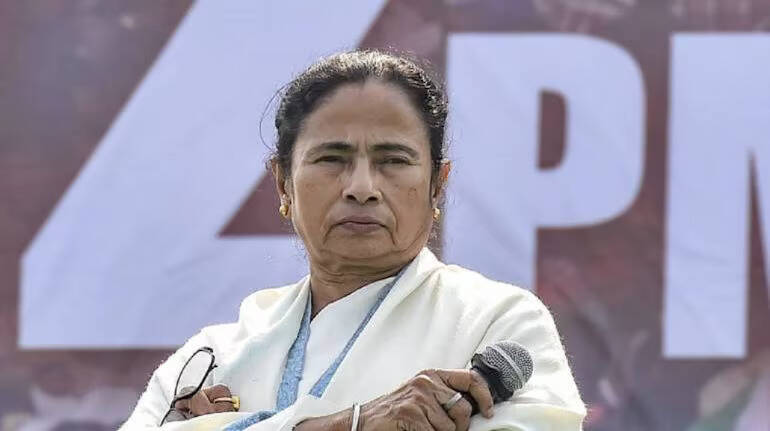
Launching a scathing attack on the commission, CM Mamata said, “They thought that by engaging in a black game and performing black magic they would snatch the democratic rights of the people.” These remarks were made at a public rally, where the Chief Minister was addressing a large gathering of supporters. The context of these remarks is the ongoing controversy over the revision of electoral rolls in West Bengal, where the Election Commission has been accused of unfairly removing names of legitimate voters.
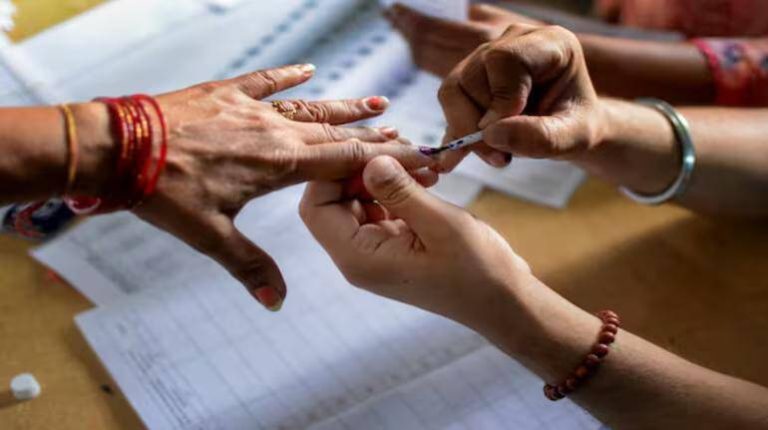
The Election Commission has been revising the electoral rolls in West Bengal, as part of its routine exercise to update the voter list. However, the process has been marred by controversy, with allegations that the commission is unfairly removing names of voters, particularly in areas that are considered to be strongholds of the ruling Trinamool Congress party. The opposition parties, including the BJP, have been quick to seize on these allegations, accusing the Trinamool Congress of trying to manipulate the electoral rolls to its advantage.
However, the Trinamool Congress has denied these allegations, and has instead accused the Election Commission of acting at the behest of the BJP. The party has pointed out that the commission has been removing names of voters without following the due process, and without giving them an opportunity to verify their credentials. This, the party claims, is a deliberate attempt to disenfranchise legitimate voters and to influence the outcome of the elections.
The use of the term “black magic” by CM Mamata to describe the actions of the Election Commission is significant. It suggests that the commission is using underhanded and unfair means to achieve its objectives, and that its actions are not transparent or accountable. This is a serious allegation, and one that has significant implications for the credibility of the electoral process.
The Election Commission has a crucial role to play in ensuring the integrity of the electoral process. It is responsible for conducting free and fair elections, and for ensuring that all voters have an equal opportunity to participate in the democratic process. However, if the commission is seen to be acting in a partisan manner, or if it is perceived to be removing legitimate voters from the electoral rolls, it can undermine the very foundations of democracy.
The controversy over the revision of electoral rolls in West Bengal is not an isolated incident. There have been similar allegations in other parts of the country, where the Election Commission has been accused of unfairly removing names of voters. This has raised concerns about the independence and impartiality of the commission, and has led to calls for greater transparency and accountability in the electoral process.
In order to address these concerns, it is essential that the Election Commission takes steps to ensure that the electoral rolls are revised in a fair and transparent manner. This can be achieved by giving voters an opportunity to verify their credentials, and by ensuring that all removals are done in a transparent and accountable manner. The commission must also ensure that it is not acting at the behest of any particular party or interest group, and that its actions are guided solely by the principles of fairness and impartiality.
In conclusion, the allegation by CM Mamata that the Election Commission is using “black magic” to remove legitimate voters is a serious one, and has significant implications for the democratic process. The commission must take steps to address these concerns, and to ensure that the electoral rolls are revised in a fair and transparent manner. This is essential for maintaining the credibility of the electoral process, and for ensuring that all voters have an equal opportunity to participate in the democratic process.
The controversy over the revision of electoral rolls in West Bengal is a reminder that the electoral process is not just about voting, but also about ensuring that all voters have an equal opportunity to participate. It is a reminder that the Election Commission has a crucial role to play in ensuring the integrity of the electoral process, and that its actions must be guided by the principles of fairness, transparency, and accountability.
As the country moves towards the next general elections, it is essential that the Election Commission takes steps to address the concerns that have been raised about the revision of electoral rolls. This can be achieved by ensuring that the electoral rolls are revised in a fair and transparent manner, and by giving voters an opportunity to verify their credentials. The commission must also ensure that it is not acting at the behest of any particular party or interest group, and that its actions are guided solely by the principles of fairness and impartiality.
The democratic process is a sacred trust, and it is essential that all stakeholders work together to ensure that it is protected and strengthened. This requires a commitment to fairness, transparency, and accountability, and a willingness to address the concerns that have been raised about the electoral process.
For more information, visit: https://thecsrjournal.in/election-commission-black-magic-remove-legitimate-voters-bengal-mamata-banerjee/
About the Author