Tariff-hit exporters seek duty rationalisation in Budget 2026
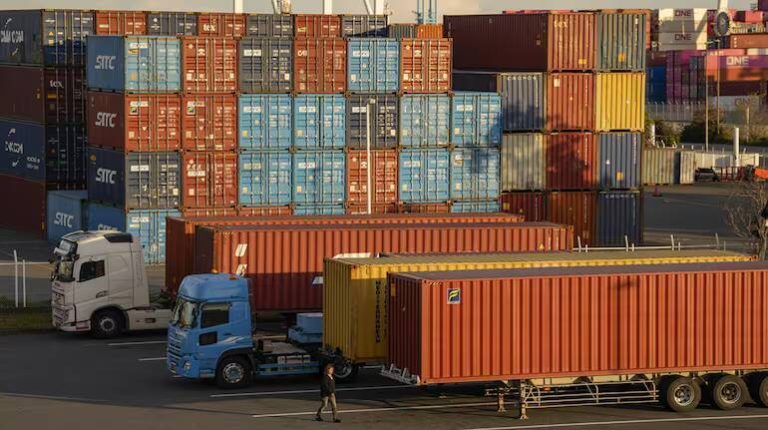
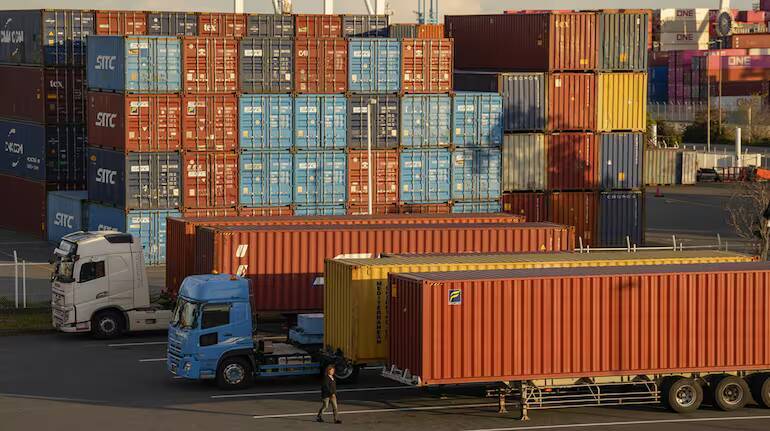
The Indian export industry is facing significant challenges due to the imposition of higher tariffs by the US on most Indian exports. Sectors such as textiles, apparel, gems and jewellery, and chemicals have been severely affected, leading to a decline in exports and a subsequent impact on the economy. As the government prepares to present the Budget for 2026, exporters from these tariff-hit sectors are seeking measures like customs duty rationalisation to remain competitive in overseas markets.
According to a report by Moneycontrol, the industry is urging the government to take steps to support micro, small, and medium enterprises (MSMEs), promote the use of clean energy, and provide incentives for technology upgrades. These measures are expected to help exporters cope with the challenges posed by the tariffs and remain competitive in the global market.
The US has imposed higher tariffs on Indian exports, citing concerns over trade deficits and intellectual property rights. This has resulted in a significant increase in the cost of Indian exports, making them less competitive in the US market. The Indian government has been trying to negotiate with the US to reduce or eliminate these tariffs, but so far, there has been no breakthrough.
In this context, the export industry is seeking relief from the government in the form of customs duty rationalisation. This would involve reducing or eliminating customs duties on imported raw materials and intermediates used in the production of export goods. This would help reduce the cost of production and make Indian exports more competitive in the global market.
The industry is also seeking support for MSMEs, which are the backbone of the Indian export industry. MSMEs face significant challenges in terms of access to finance, technology, and markets, and the government needs to provide them with targeted support to help them overcome these challenges. This could include measures such as easy access to credit, subsidies for technology upgrades, and marketing support.
Another key area of focus for the industry is the promotion of clean energy and sustainable practices. The US and other developed countries are increasingly focusing on environmental sustainability and social responsibility, and Indian exporters need to comply with these standards to remain competitive. The government needs to provide incentives for the adoption of clean energy and sustainable practices, such as subsidies for solar panels, wind turbines, and other renewable energy sources.
The industry is also seeking incentives for technology upgrades, including the adoption of digital technologies such as artificial intelligence, blockchain, and the Internet of Things (IoT). These technologies can help exporters improve their efficiency, productivity, and competitiveness, and the government needs to provide them with the necessary support to adopt these technologies.
In addition to these measures, the industry is also seeking relief from the government in terms of carbon compliance. The US and other developed countries are increasingly focusing on carbon emissions and climate change, and Indian exporters need to comply with these standards to remain competitive. The government needs to provide incentives for the adoption of carbon-neutral practices, such as subsidies for renewable energy sources and energy-efficient technologies.
The Budget for 2026 is expected to provide some relief to the export industry, which has been struggling due to the tariffs imposed by the US. The government needs to take a comprehensive approach to support the industry, including measures such as customs duty rationalisation, MSME support, clean energy promotion, and technology upgrades. This would help Indian exporters remain competitive in the global market and contribute to the country’s economic growth.
In conclusion, the Indian export industry is facing significant challenges due to the imposition of higher tariffs by the US. The industry is seeking measures like customs duty rationalisation, MSME support, clean energy promotion, and technology upgrades to remain competitive in overseas markets. The government needs to take a comprehensive approach to support the industry, including these measures, to help Indian exporters cope with the challenges posed by the tariffs and contribute to the country’s economic growth.
About the Author