India’s oil industry seeks lower GST rates in upcoming Budget
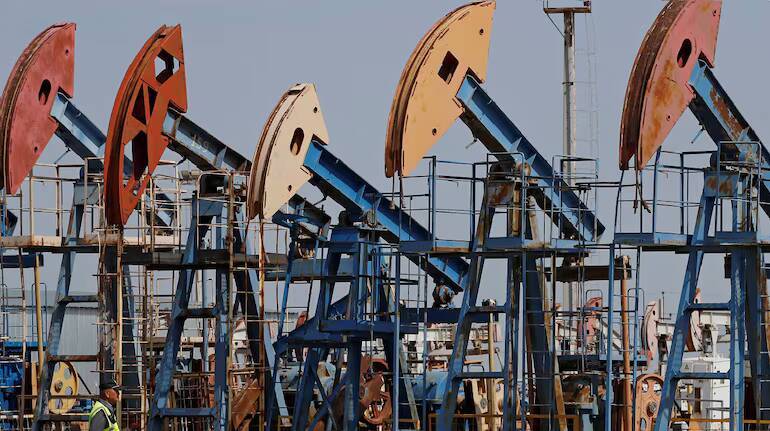
The Indian oil and gas industry is eagerly awaiting the upcoming Budget 2026-27, with high hopes of seeing significant changes that could improve the ease of doing business. One of the key demands of the industry is the inclusion of crude oil and natural gas under the Goods and Services Tax (GST) framework at a lower rate of 5%. This move is expected to have a positive impact on the industry, making it more competitive and efficient.
According to Kapil Garg, Founder of Oilmax Energy, the industry remains hopeful of the inclusion of petroleum products within the GST framework. “We remain hopeful of the inclusion of petroleum within the GST framework,” he said. This sentiment is echoed by other industry stakeholders, who believe that the inclusion of crude oil and natural gas under GST would help to reduce the complexity of taxes and make the industry more attractive to investors.
The current tax regime for the oil and gas industry is complex, with multiple taxes and levies imposed by the central and state governments. The industry is subject to various taxes, including excise duty, customs duty, and value-added tax (VAT). The imposition of these taxes increases the cost of production and makes the industry less competitive. By including crude oil and natural gas under the GST framework, the industry hopes to simplify the tax structure and reduce the overall tax burden.
Another key demand of the industry is compensation for the under-recoveries made on LPG sales. According to an executive from ICRA, a leading credit rating agency, the industry may seek compensation for the under-recoveries made on LPG sales. This is because the industry is currently selling LPG at subsidized rates, which results in significant under-recoveries. The industry hopes that the government will provide compensation for these under-recoveries, which would help to improve the financial health of the industry.
The demand for lower GST rates and compensation for under-recoveries is not new, and the industry has been making these demands for several years. However, with the upcoming Budget 2026-27, the industry is hopeful that the government will finally address these issues. The government has been working to improve the ease of doing business in the country, and the inclusion of crude oil and natural gas under the GST framework is seen as a key step in this direction.
The oil and gas industry is a critical sector of the Indian economy, and any changes to the tax structure could have a significant impact on the industry. The industry is a major contributor to the country’s GDP and provides employment to millions of people. By simplifying the tax structure and reducing the tax burden, the government can help to improve the competitiveness of the industry and attract more investment.
In addition to the inclusion of crude oil and natural gas under the GST framework, the industry is also seeking other reforms to improve the ease of doing business. These include the simplification of regulatory procedures, the reduction of bureaucratic hurdles, and the improvement of infrastructure. By addressing these issues, the government can help to create a more favorable business environment, which would encourage investment and growth in the industry.
The upcoming Budget 2026-27 is expected to be a crucial one for the oil and gas industry, and the industry is hopeful that the government will address its key demands. The inclusion of crude oil and natural gas under the GST framework at a lower rate of 5% is seen as a key step in improving the ease of doing business, and the industry is hopeful that the government will finally take this step. Additionally, the industry is seeking compensation for the under-recoveries made on LPG sales, which would help to improve the financial health of the industry.
In conclusion, the Indian oil and gas industry is seeking significant changes in the upcoming Budget 2026-27. The inclusion of crude oil and natural gas under the GST framework at a lower rate of 5% is seen as a key step in improving the ease of doing business, and the industry is hopeful that the government will finally address this issue. Additionally, the industry is seeking compensation for the under-recoveries made on LPG sales, which would help to improve the financial health of the industry. By addressing these issues, the government can help to create a more favorable business environment, which would encourage investment and growth in the industry.
About the Author