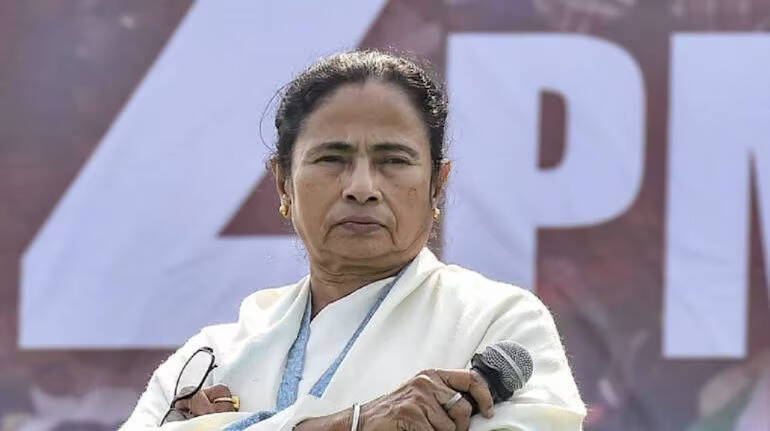
EC using ‘Black magic’ to remove legitimate voters: WB CM
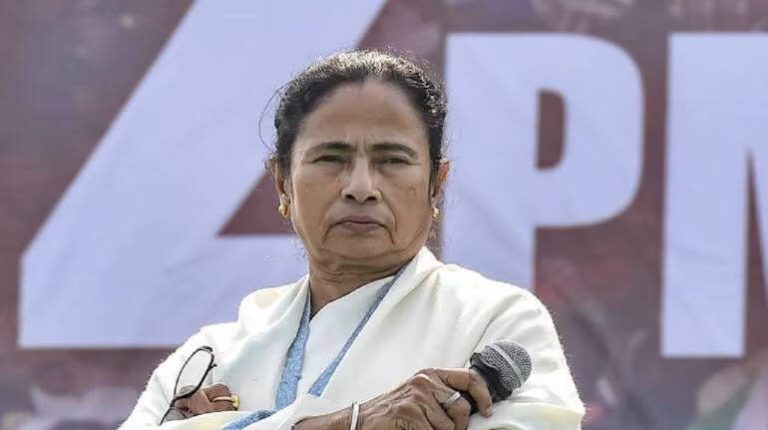
In a shocking and unprecedented attack on the Election Commission of India, West Bengal Chief Minister Mamata Banerjee has alleged that the commission is using “black magic” to remove legitimate voters from the electoral rolls. Launching a scathing attack on the commission, CM Mamata said, “They thought that by engaging in a black game and performing black magic they would snatch the democratic rights of the people.” This statement has sent shockwaves across the country, with many questioning the intentions of the Election Commission and the veracity of the Chief Minister’s claims.
The Election Commission of India is an autonomous and impartial body responsible for conducting free and fair elections in the country. It is mandated to ensure that the electoral process is transparent, credible, and accessible to all eligible citizens. However, the Chief Minister’s allegations suggest that the commission may be compromising on its neutrality and integrity. The use of the term “black magic” is particularly striking, as it implies a level of deceit and manipulation that is unacceptable in a democratic institution.
The context of the Chief Minister’s statement is also important to understand. West Bengal has been a politically charged state, with the ruling Trinamool Congress party facing stiff competition from the Bharatiya Janata Party (BJP) and other opposition parties. The state has a long history of electoral violence and malpractices, and the Election Commission has been working to clean up the electoral rolls and prevent irregularities. However, the Chief Minister’s allegations suggest that the commission’s efforts may be motivated by a desire to favor one party over another, rather than a genuine commitment to free and fair elections.
The implications of the Chief Minister’s allegations are far-reaching and disturbing. If the Election Commission is indeed using “black magic” to remove legitimate voters, it would undermine the very foundation of India’s democratic system. The right to vote is a fundamental right guaranteed by the Constitution, and any attempt to deny or manipulate this right would be a serious violation of democratic principles. It would also erode trust in the electoral process and create an environment of suspicion and mistrust.
The Chief Minister’s statement has also sparked a debate about the role of the Election Commission in Indian democracy. While the commission is supposed to be an independent and impartial body, its actions and decisions are not always transparent or accountable. The commission’s use of technology, such as electronic voting machines and voter verification systems, has also raised concerns about the potential for manipulation and tampering. In this context, the Chief Minister’s allegations of “black magic” may be seen as a metaphor for the perceived lack of transparency and accountability in the electoral process.
It is also worth noting that the Chief Minister’s statement may be seen as a political tactic to mobilize public opinion and create a sense of grievance among her supporters. The Trinamool Congress party has been facing challenges from the BJP and other opposition parties, and the Chief Minister’s allegations may be an attempt to deflect attention from her government’s performance and create a sense of urgency around the electoral process. However, this does not necessarily mean that the allegations are without merit, and it is important to investigate the claims and ensure that the electoral process is fair and transparent.
In conclusion, the West Bengal Chief Minister’s allegations that the Election Commission is using “black magic” to remove legitimate voters are serious and disturbing. They raise important questions about the integrity and transparency of the electoral process, and the potential for manipulation and deceit. While the allegations may be motivated by political considerations, they also highlight the need for greater transparency and accountability in the electoral process. The Election Commission must take these allegations seriously and investigate them thoroughly, to ensure that the democratic rights of citizens are protected and the electoral process is free and fair.
As the country moves towards another round of elections, it is essential to ensure that the electoral process is transparent, credible, and accessible to all eligible citizens. The Election Commission must work to restore trust and confidence in the electoral process, and address the concerns and grievances of all stakeholders. This includes ensuring that the electoral rolls are accurate and up-to-date, and that all eligible citizens are able to exercise their right to vote without fear or intimidation.
Ultimately, the integrity of the electoral process is essential to the health and vitality of Indian democracy. The Chief Minister’s allegations of “black magic” may be seen as a wake-up call, highlighting the need for greater transparency and accountability in the electoral process. As citizens, it is our responsibility to demand free and fair elections, and to ensure that the democratic rights of all citizens are protected and respected.
About the Author