India’s oil industry seeks lower GST rates in upcoming Budget
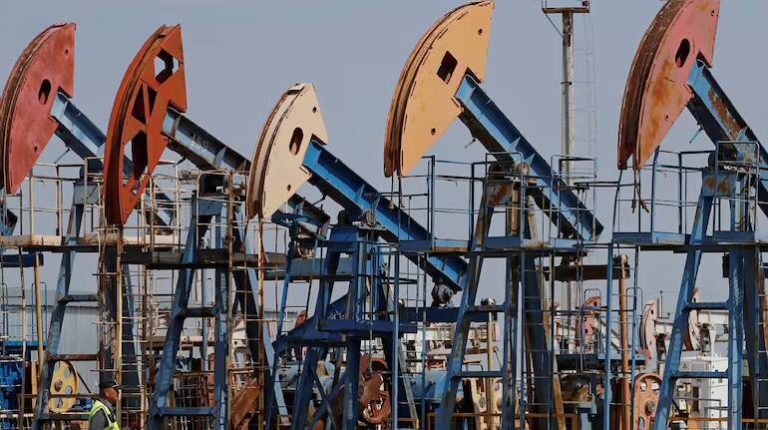
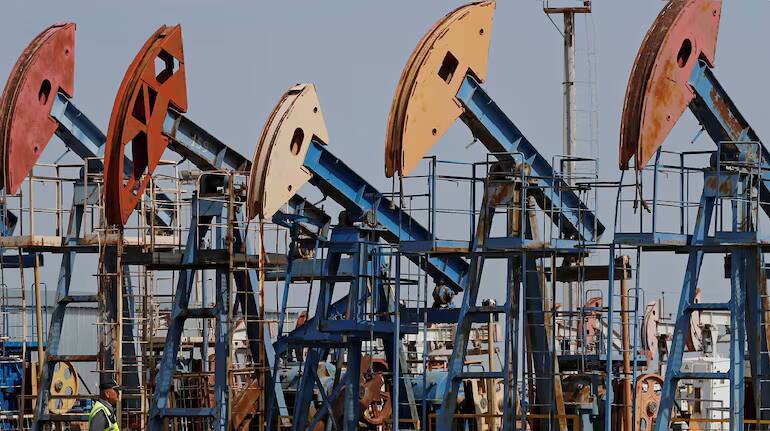
As the Indian government prepares to unveil its Budget for the fiscal year 2026-27, the oil and gas industry is pinning its hopes on the inclusion of crude oil and natural gas under the Goods and Services Tax (GST) framework at a lower rate of 5%. This move is expected to significantly improve the ease of doing business in the sector, which has been grappling with multiple tax structures and high costs.
The oil and gas industry has been seeking the inclusion of petroleum products under the GST framework for several years now. The current tax structure, which involves a combination of central excise duty, value-added tax (VAT), and other levies, has made the sector one of the most heavily taxed in the country. The industry argues that the inclusion of petroleum products under GST would help to simplify the tax structure, reduce compliance costs, and increase transparency.
According to Kapil Garg, Founder of Oilmax Energy, “We remain hopeful of the inclusion of petroleum within the GST framework.” Garg’s optimism is shared by other industry stakeholders, who believe that the inclusion of crude oil and natural gas under GST would be a major step forward for the sector.
The industry’s demand for lower GST rates is not without merit. Currently, petroleum products are subject to a range of taxes, including central excise duty, VAT, and other levies, which can add up to 30-40% of the final price of the product. The inclusion of these products under GST at a lower rate of 5% would help to reduce the tax burden on consumers and increase demand for petroleum products.
In addition to seeking lower GST rates, the industry may also seek compensation for the under-recoveries made on LPG sales, according to an executive from ICRA, a leading credit rating agency. The under-recoveries, which arise from the difference between the cost of production and the selling price of LPG, have been a major challenge for oil marketing companies in recent years.
The oil and gas industry is a critical component of the Indian economy, accounting for over 15% of the country’s GDP. The sector is also a major employer, with thousands of people working in various capacities, from exploration and production to refining and marketing. However, the sector has been facing several challenges in recent years, including high taxes, regulatory uncertainties, and environmental concerns.
The inclusion of petroleum products under GST would help to address some of these challenges, particularly the high tax burden. It would also help to increase transparency and reduce corruption, as all transactions would be recorded and tracked through the GST network.
The Indian government has been working to simplify the tax structure and reduce compliance costs for businesses. The introduction of GST in 2017 was a major step in this direction, as it replaced a complex web of taxes with a single, unified tax framework. However, the exclusion of petroleum products from GST has been a major anomaly, and the industry is hoping that the government will address this issue in the upcoming Budget.
In conclusion, the Indian oil and gas industry is seeking the inclusion of crude oil and natural gas under GST at a lower rate of 5% in the upcoming Budget. This move is expected to improve the ease of doing business in the sector, reduce compliance costs, and increase transparency. The industry may also seek compensation for the under-recoveries made on LPG sales, which have been a major challenge for oil marketing companies in recent years. As the government prepares to unveil its Budget for the fiscal year 2026-27, the oil and gas industry is pinning its hopes on a more favorable tax regime.
About the Author