EC using ‘Black magic’ to remove legitimate voters: WB CM
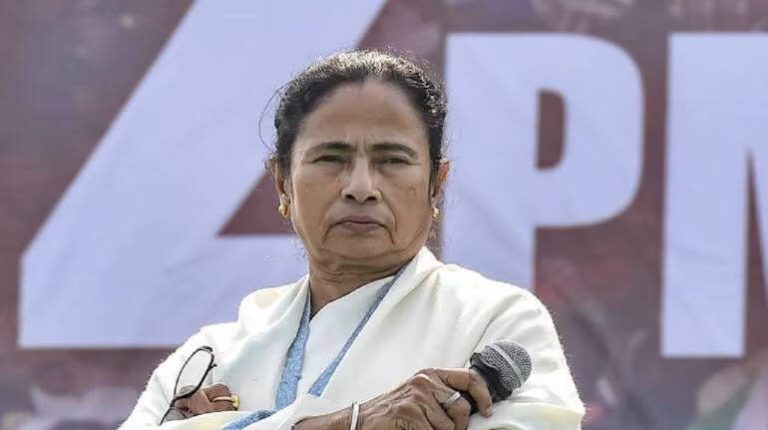
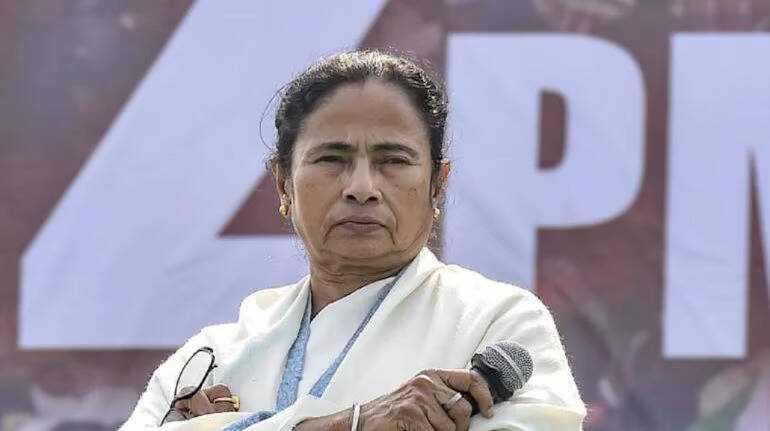
In a shocking and unprecedented allegation, West Bengal Chief Minister Mamata Banerjee has accused the Election Commission of India (EC) of using “black magic” to remove legitimate voters from the electoral rolls. Launching a scathing attack on the commission, CM Mamata said, “They thought that by engaging in a black game and performing black magic they would snatch the democratic rights of the people.” This statement has sent shockwaves across the country, with many questioning the integrity of the electoral process.
The controversy began when the Election Commission announced that it would be revising the electoral rolls in West Bengal, ahead of the upcoming elections. However, the manner in which this exercise was being conducted has raised concerns among the opposition parties, with CM Mamata alleging that the commission was deliberately removing legitimate voters to influence the outcome of the elections.
According to CM Mamata, the Election Commission has been using “black magic” to identify and remove voters who are likely to vote against the ruling party. She claimed that the commission was using “unfair means” to disenfranchise certain sections of the population, particularly those who are loyal to her party, the Trinamool Congress.
“This is a blatant attempt to rig the elections,” CM Mamata said. “The Election Commission is supposed to be an independent and impartial body, but it seems that it has become a tool of the ruling party. We will not allow this to happen. We will fight against this injustice and ensure that the democratic rights of the people are protected.”
The Election Commission has not responded to CM Mamata’s allegations, but it has maintained that the revision of electoral rolls is a routine exercise aimed at ensuring the accuracy and integrity of the electoral process. However, the opposition parties have expressed concerns that the commission’s actions may be motivated by a desire to influence the outcome of the elections.
The use of the term “black magic” by CM Mamata to describe the Election Commission’s actions has been seen as a metaphor for the alleged manipulation of the electoral process. It is a powerful and evocative term that conjures up images of secrecy, deception, and manipulation. By using this term, CM Mamata is suggesting that the Election Commission is engaging in a form of electoral trickery that is both unfair and undemocratic.
The allegations made by CM Mamata have sparked a heated debate about the integrity of the electoral process in India. While some have defended the Election Commission’s actions as necessary to ensure the accuracy of the electoral rolls, others have expressed concerns that the commission may be overstepping its bounds and compromising the democratic rights of citizens.
As the controversy continues to unfold, it remains to be seen how the Election Commission will respond to CM Mamata’s allegations. Will it provide a detailed explanation of its actions and reassure the public that the electoral process is fair and transparent? Or will it continue to maintain its silence, thereby fueling further speculation and mistrust?
One thing is certain, however: the allegations made by CM Mamata have highlighted the need for greater transparency and accountability in the electoral process. The Election Commission must ensure that its actions are fair, impartial, and transparent, and that the democratic rights of all citizens are protected.
In conclusion, the controversy surrounding the Election Commission’s revision of electoral rolls in West Bengal has raised important questions about the integrity of the electoral process in India. The allegations made by CM Mamata, although dramatic and unprecedented, have sparked a necessary debate about the need for transparency and accountability in the electoral process. As the country moves forward, it is essential that the Election Commission takes steps to reassure the public that the electoral process is fair, transparent, and free from manipulation.
About the Author