India’s oil industry seeks lower GST rates in upcoming Budget
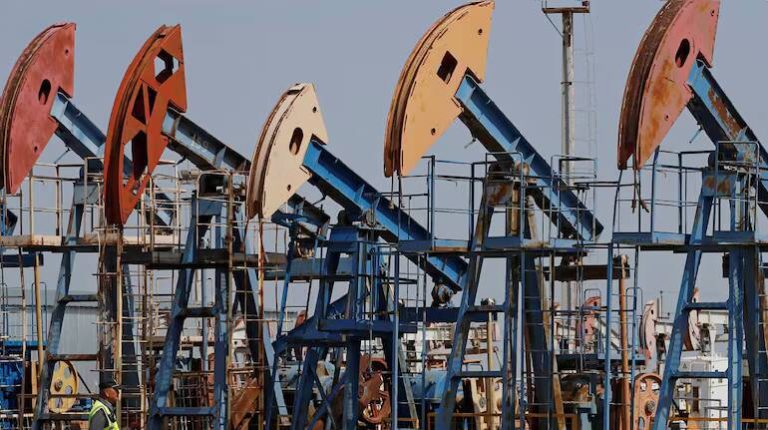
As the Indian government prepares to unveil its Budget for the fiscal year 2026-27, the oil and gas industry is pinning its hopes on a key demand: the inclusion of crude oil and natural gas under the Goods and Services Tax (GST) framework at a lower rate of 5%. This move, according to industry stakeholders, would significantly improve the ease of doing business and provide a much-needed boost to the sector.
The oil and gas industry has been seeking the inclusion of petroleum products under the GST framework for several years now. Currently, crude oil, natural gas, petrol, diesel, and aviation turbine fuel (ATF) are exempt from GST, and instead, are governed by a complex web of state-specific taxes and levies. The industry argues that this anomaly creates distortions in the market, leads to inefficiencies, and increases the cost of doing business.
“We remain hopeful of the inclusion of petroleum within the GST framework,” said Kapil Garg, Founder of Oilmax Energy, a leading player in the oil and gas sector. Garg emphasized that the inclusion of petroleum products under GST would help streamline the tax structure, reduce compliance costs, and make the industry more competitive.
The industry’s demand for lower GST rates is not without merit. The current tax structure imposes a significant burden on oil and gas companies, which have to navigate a complex system of state-specific taxes, levies, and cesses. For instance, the tax on petrol and diesel varies across states, ranging from 15% to 30%. This creates market distortions, leads to tax evasion, and increases the cost of transportation.
In contrast, a lower GST rate of 5% would provide a level playing field for oil and gas companies, enable them to pass on the benefits to consumers, and boost economic growth. It would also help reduce the revenue losses incurred by state governments due to tax evasion and smuggling.
Another key demand of the industry is compensation for the under-recoveries made on LPG sales. According to an executive at ICRA, a leading credit rating agency, the industry may seek compensation for the losses incurred on LPG sales, which are currently subsidized by the government. The executive noted that the compensation could be in the form of a subsidy or a rebate, which would help oil and gas companies offset their losses and maintain their profitability.
The demand for compensation on LPG under-recovery is significant, given the government’s efforts to promote the use of LPG as a clean and efficient fuel. The government has implemented several initiatives to increase LPG penetration, including the Pradhan Mantri Ujjwala Yojana (PMUY), which aims to provide LPG connections to poor households. However, the subsidy burden on LPG sales has increased significantly, putting a strain on the finances of oil and gas companies.
The oil and gas industry’s demands are not limited to GST rates and compensation on LPG under-recovery. The industry is also seeking several other concessions, including a reduction in the customs duty on crude oil and petroleum products, an increase in the exploration and production activities, and a streamlining of the regulatory framework.
As the government prepares to unveil its Budget, the oil and gas industry is watching with bated breath. The industry’s demands are reasonable, and their implementation would have a significant impact on the sector. A lower GST rate, compensation on LPG under-recovery, and other concessions would help improve the ease of doing business, increase investment, and boost economic growth.
In conclusion, the oil and gas industry’s demand for lower GST rates and compensation on LPG under-recovery is a key issue that needs to be addressed in the upcoming Budget. The industry’s demands are reasonable, and their implementation would have a significant impact on the sector. As the government prepares to unveil its Budget, it is hoped that the industry’s demands would be taken into consideration, and the necessary concessions would be provided to boost the growth of the sector.
About the Author