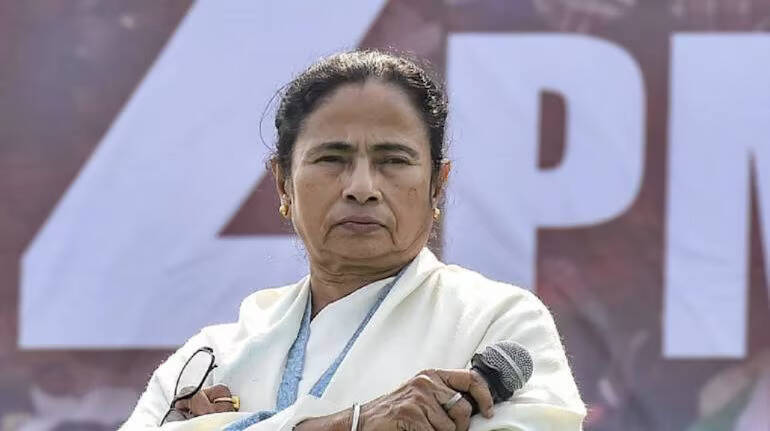
EC using ‘Black magic’ to remove legitimate voters: WB CM
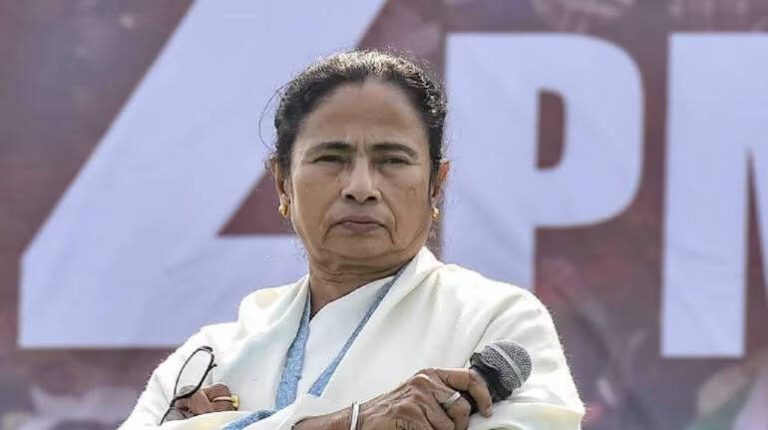
In a shocking and unprecedented attack on the Election Commission of India (EC), West Bengal Chief Minister Mamata Banerjee has alleged that the commission is using “black magic” to remove legitimate voters from the electoral rolls. Launching a scathing attack on the commission, CM Mamata said, “They thought that by engaging in a black game and performing black magic they would snatch the democratic rights of the people.” This statement has sparked a heated debate and raised questions about the integrity of the electoral process in the country.
The controversy began when the Election Commission of India announced that it would be revising the electoral rolls in West Bengal, ahead of the upcoming state assembly elections. The commission claimed that the revision was necessary to remove duplicate and fake voters from the rolls, and to ensure the integrity of the electoral process. However, CM Mamata Banerjee and her party, the Trinamool Congress (TMC), have alleged that the commission’s actions are motivated by a desire to favor the opposition parties, particularly the Bharatiya Janata Party (BJP).
According to CM Mamata, the Election Commission’s actions are a clear attempt to disenfranchise legitimate voters, particularly those who are likely to vote for the TMC. She claimed that the commission is using “black magic” to remove names from the electoral rolls, without providing any evidence or justification for doing so. This, she alleged, is a clear violation of the democratic rights of the people of West Bengal.
The TMC has also alleged that the Election Commission is biased towards the BJP, and that it is working to favor the opposition party in the upcoming elections. The party has pointed to the fact that the commission has removed thousands of voters from the rolls, many of whom are alleged to be TMC supporters. The TMC has also claimed that the commission has not provided adequate opportunities for voters to verify their names on the electoral rolls, making it difficult for legitimate voters to ensure that their names are included.
The Election Commission has denied the allegations, stating that it is committed to ensuring the integrity of the electoral process and that it is working to remove duplicate and fake voters from the rolls. The commission has also stated that it is providing adequate opportunities for voters to verify their names on the electoral rolls, and that it is working to ensure that all eligible voters are included in the rolls.
Despite the Election Commission’s denials, the controversy surrounding the electoral rolls in West Bengal continues to simmer. The TMC has vowed to continue its fight against the commission’s actions, and has threatened to take the matter to the courts if necessary. The BJP, on the other hand, has welcomed the Election Commission’s actions, stating that they are necessary to ensure the integrity of the electoral process.
The controversy surrounding the electoral rolls in West Bengal has raised important questions about the role of the Election Commission in ensuring the integrity of the electoral process. The commission’s actions have been criticized by many as being overly broad and arbitrary, and have raised concerns about the potential for disenfranchisement of legitimate voters. At the same time, the commission’s efforts to remove duplicate and fake voters from the rolls are seen as necessary to prevent electoral fraud and ensure the integrity of the process.
Ultimately, the controversy surrounding the electoral rolls in West Bengal highlights the need for greater transparency and accountability in the electoral process. The Election Commission must ensure that its actions are fair, impartial, and transparent, and that it provides adequate opportunities for voters to verify their names on the electoral rolls. The commission must also work to address the concerns of all stakeholders, including political parties and civil society organizations, to ensure that the electoral process is free, fair, and credible.
In conclusion, the allegations made by West Bengal Chief Minister Mamata Banerjee against the Election Commission of India are serious and require immediate attention. The commission’s actions have raised concerns about the potential for disenfranchisement of legitimate voters, and have highlighted the need for greater transparency and accountability in the electoral process. As the country prepares for upcoming elections, it is essential that the Election Commission works to ensure the integrity of the electoral process, and that it provides adequate opportunities for all eligible voters to participate.
About the Author