India’s oil industry seeks lower GST rates in upcoming Budget
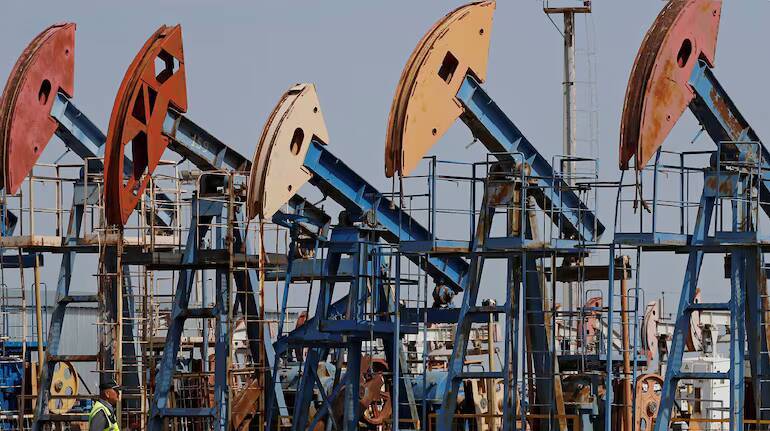
The Indian oil and gas industry is gearing up for the upcoming Budget 2026-27, with high hopes of a significant change in the taxation structure. The industry is seeking the inclusion of crude oil and natural gas under the Goods and Services Tax (GST) framework at a lower rate of 5%. This move is expected to improve the ease of doing business in the sector and bring about a much-needed boost to the industry.
According to Kapil Garg, Founder of Oilmax Energy, “We remain hopeful of the inclusion of petroleum within the GST framework.” The industry has been lobbying for this change for quite some time now, and it seems that their efforts may finally bear fruit. The inclusion of petroleum products under GST is expected to simplify the tax structure and reduce the complexity of taxation in the sector.
Currently, petroleum products such as crude oil, natural gas, and petroleum products are outside the GST framework. This means that these products are taxed under the older tax regime, which includes excise duty, Value-Added Tax (VAT), and other levies. The industry has been arguing that the inclusion of these products under GST would help to reduce the cascading effect of taxes and make the tax structure more transparent.
The oil and gas industry is a significant contributor to the Indian economy, and any changes to the taxation structure in this sector can have far-reaching implications. The industry is hoping that the government will take a positive view of their demands and include petroleum products under the GST framework at a lower rate of 5%. This would not only simplify the tax structure but also reduce the tax burden on the industry.
In addition to the inclusion of petroleum products under GST, the industry is also seeking compensation for the under-recoveries made on LPG sales. According to an ICRA executive, the industry may seek compensation for the losses incurred due to the sale of LPG at subsidized rates. The government has been providing subsidies on LPG sales to protect consumers from the impact of high international prices. However, this has resulted in significant under-recoveries for the oil marketing companies.
The oil marketing companies have been incurring losses on the sale of LPG due to the difference between the subsidized price and the market price. The industry is seeking compensation for these losses, which would help to alleviate the financial burden on the companies. This move is expected to improve the financial health of the oil marketing companies and enable them to invest in other areas of the business.
The upcoming Budget 2026-27 is expected to be a crucial one for the oil and gas industry. The industry is hoping that the government will take a positive view of their demands and announce measures that will help to improve the ease of doing business in the sector. The inclusion of petroleum products under GST at a lower rate of 5% and compensation for under-recoveries on LPG sales are two key demands that the industry is making.
The government has been taking steps to improve the ease of doing business in the oil and gas sector. The introduction of the Hydrocarbon Exploration and Licensing Policy (HELP) and the Open Acreage Licensing Policy (OALP) are two significant steps that have been taken in this regard. These policies have helped to simplify the process of exploration and production of hydrocarbons and have attracted significant investment in the sector.
However, despite these positive steps, the industry still faces significant challenges. The taxation structure in the sector is complex, and the industry is hoping that the government will take steps to simplify it. The inclusion of petroleum products under GST at a lower rate of 5% is a key demand that the industry is making, and it remains to be seen whether the government will accede to this demand.
In conclusion, the Indian oil and gas industry is seeking significant changes in the taxation structure in the upcoming Budget 2026-27. The industry is hoping that the government will include petroleum products under the GST framework at a lower rate of 5% and provide compensation for under-recoveries on LPG sales. These measures are expected to improve the ease of doing business in the sector and bring about a much-needed boost to the industry. The government’s response to these demands will be closely watched, and it remains to be seen whether the industry’s hopes will be fulfilled.
About the Author