India’s oil industry seeks lower GST rates in upcoming Budget
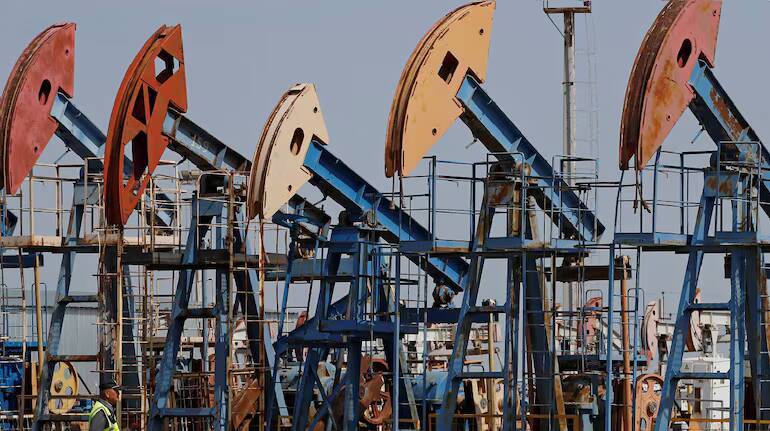
As the Indian government prepares to unveil its Budget for 2026-27, the country’s oil and gas industry is pinning its hopes on a key demand: the inclusion of crude oil and natural gas under the Goods and Services Tax (GST) framework at a lower rate of 5%. This move, according to industry stakeholders, would significantly improve the ease of doing business in the sector and provide a much-needed boost to the economy.
The oil and gas industry has been seeking the inclusion of petroleum products under the GST framework for several years now. Currently, crude oil, natural gas, petrol, diesel, and aviation turbine fuel (ATF) are outside the GST framework, and are instead governed by a complex system of central excise duties and state-level value-added taxes. This has led to a cascade of taxes, resulting in higher costs for consumers and industries that rely on these products.
“We remain hopeful of the inclusion of petroleum within the GST framework,” said Kapil Garg, Founder of Oilmax Energy. The industry’s demand for a lower GST rate of 5% is based on the assumption that it would lead to a reduction in the overall tax burden on the sector, making it more competitive and attractive to investors.
The inclusion of crude oil and natural gas under the GST framework would also help to address the issue of input tax credits, which is a major concern for the industry. Currently, oil and gas companies are unable to claim input tax credits on the taxes paid on their inputs, such as equipment and services, which increases their costs and reduces their profitability.
In addition to seeking a lower GST rate, the industry may also seek compensation for the under-recoveries made on LPG sales, according to an executive at ICRA, a leading credit rating agency. The under-recoveries on LPG sales have been a significant burden for oil marketing companies (OMCs) in recent years, and the industry is hoping that the government will provide some relief in the upcoming Budget.
The demand for lower GST rates and compensation for under-recoveries on LPG sales is not just a matter of industry interests, but also has implications for the broader economy. The oil and gas sector is a critical component of the Indian economy, accounting for a significant share of the country’s GDP and employment. Any measures that can help to boost the sector’s competitiveness and attractiveness to investors would have positive spillover effects on the rest of the economy.
Furthermore, the inclusion of crude oil and natural gas under the GST framework would also help to promote the government’s vision of a unified and streamlined tax system. The GST, which was introduced in 2017, has been a major achievement for the government, but its implementation has been incomplete due to the exclusion of key sectors such as oil and gas.
As the government prepares to unveil its Budget for 2026-27, the oil and gas industry is watching with bated breath. The industry’s demands for lower GST rates and compensation for under-recoveries on LPG sales are reasonable and justified, and it is hoped that the government will take a favorable view of these demands.
In conclusion, the inclusion of crude oil and natural gas under the GST framework at a lower rate of 5% would be a significant boost to the Indian oil and gas industry. It would improve the ease of doing business, reduce costs, and promote competitiveness and attractiveness to investors. The industry’s demand for compensation for under-recoveries on LPG sales is also a legitimate one, and it is hoped that the government will provide some relief in the upcoming Budget.
About the Author