2 Suspected Nipah Virus Cases Detected in Bengal, Both Critical
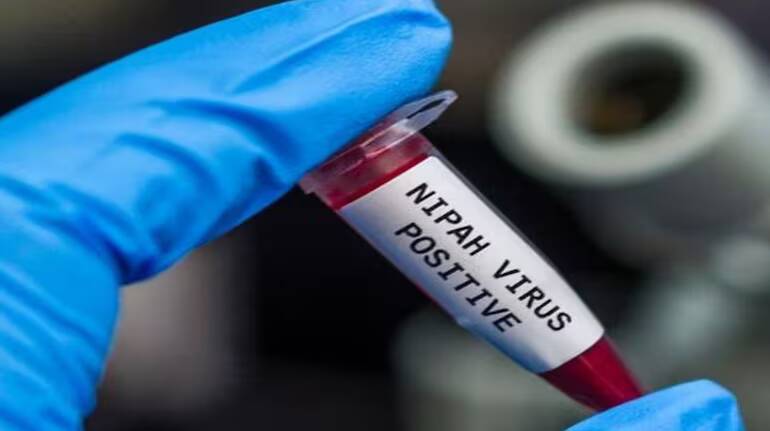
In a concerning development, two suspected cases of Nipah virus have been detected in West Bengal’s Barasat, according to officials on Monday. The infection was detected in two nurses, one male and one female, who are currently admitted to Barasat Hospital in critical condition. This news has sent shockwaves across the region, and efforts are being made to contain the outbreak and provide assistance to the affected individuals.
The Nipah virus is a zoonotic virus, meaning it can be transmitted between animals and humans. It is typically spread through direct contact with infected bats, pigs, or other animals, as well as through contact with contaminated food or water. The virus can cause a range of symptoms, from mild fever and headache to more severe respiratory and brain damage. In severe cases, the virus can be fatal, with a mortality rate of up to 90%.
The two suspected cases in Barasat are particularly concerning because they are healthcare workers, who are often at the forefront of disease outbreaks. The fact that they are in critical condition suggests that the virus may have spread quickly and aggressively, highlighting the need for immediate action to contain the outbreak.
In response to the suspected cases, Union Health Minister JP Nadda has dispatched a National Joint Outbreak Response Team to Barasat to check the outbreak and provide assistance. This team will work closely with local health officials to identify the source of the infection, contain the spread of the virus, and provide medical care to the affected individuals.
The National Joint Outbreak Response Team is a specialized team that is trained to respond to outbreaks of infectious diseases. The team will conduct a thorough investigation into the suspected cases, including collecting samples and conducting laboratory tests to confirm the presence of the Nipah virus. They will also work to identify any potential sources of the infection, such as contaminated food or water, and take steps to prevent further spread of the virus.
In addition to the National Joint Outbreak Response Team, local health officials are also taking steps to contain the outbreak. This includes setting up isolation wards at Barasat Hospital to treat the suspected cases, as well as conducting contact tracing to identify anyone who may have come into contact with the infected individuals.
The detection of suspected Nipah virus cases in West Bengal is a reminder of the need for vigilance and preparedness in the face of infectious disease outbreaks. The Nipah virus is a serious and potentially deadly disease, and it is essential that we take all necessary steps to prevent its spread and protect public health.
The Indian government has been working to strengthen its disease surveillance and response systems in recent years, including setting up a network of laboratories and hospitals to detect and respond to infectious disease outbreaks. However, more needs to be done to ensure that we are prepared to respond to outbreaks like the Nipah virus, particularly in rural and underserved areas where access to healthcare may be limited.
In conclusion, the detection of suspected Nipah virus cases in West Bengal is a concerning development that highlights the need for vigilance and preparedness in the face of infectious disease outbreaks. The dispatch of a National Joint Outbreak Response Team to Barasat is a positive step, and it is essential that we continue to work together to contain the outbreak and prevent further spread of the virus.
As the situation continues to unfold, it is essential that we stay informed and follow the latest developments. We will continue to monitor the situation and provide updates as more information becomes available.
About the Author