2 Suspected Nipah Virus Cases Detected in Bengal, Both Critical
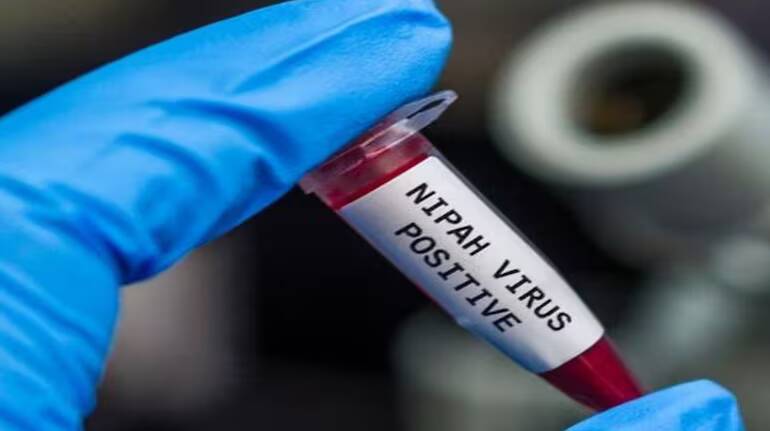
The Nipah virus, a zoonotic disease that can be transmitted from animals to humans, has once again raised concerns in India. On Monday, two suspected cases of Nipah virus were detected in West Bengal’s Barasat, sending shockwaves across the state. The infection was detected in two nurses, one male and one female, who are currently admitted to Barasat Hospital in critical condition. The news has sparked fear among the local population, and the authorities are taking all necessary measures to prevent the spread of the disease.
According to officials, the two nurses were admitted to the hospital with symptoms of fever, headache, and respiratory problems. The hospital authorities immediately suspected that they might be suffering from the Nipah virus and sent their blood samples to the National Institute of Virology in Pune for testing. The test results are still awaited, but the symptoms and the fact that they are nurses who were exposed to patients with similar symptoms have led the authorities to take all precautions.
The Union Health Minister, JP Nadda, has taken immediate action and sent a National Joint Outbreak Response Team to West Bengal to check the outbreak and provide assistance. The team consists of experts from the National Centre for Disease Control (NCDC) and the All India Institute of Medical Sciences (AIIMS). The team will work closely with the state health department to identify the source of the outbreak, trace the contacts of the infected nurses, and take all necessary measures to prevent the spread of the disease.
The Nipah virus is a highly contagious and deadly disease that can cause severe respiratory and brain symptoms. It was first identified in 1998 in Malaysia and Singapore, and since then, there have been several outbreaks in India, including in Kerala and West Bengal. The virus is typically spread through direct contact with infected animals, such as bats and pigs, or through close contact with an infected person.
The symptoms of the Nipah virus include fever, headache, muscle pain, and respiratory problems, such as cough and shortness of breath. In severe cases, the virus can cause encephalitis, or inflammation of the brain, which can lead to coma and death. The incubation period of the virus is between 5 and 14 days, and the mortality rate is around 70%.
The detection of the two suspected cases of Nipah virus in West Bengal has raised concerns about the preparedness of the state’s health system to handle such outbreaks. The state government has assured that all necessary measures are being taken to prevent the spread of the disease, including setting up isolation wards in hospitals and conducting awareness campaigns among the public.
The Barasat Hospital, where the two nurses are admitted, has been put on high alert, and all necessary precautions are being taken to prevent the spread of the disease. The hospital authorities have set up an isolation ward, and all the staff members are being provided with personal protective equipment (PPE) kits to prevent them from getting infected.
The local population is also being educated about the symptoms of the Nipah virus and the precautions that need to be taken to prevent its spread. The authorities are advising people to avoid close contact with anyone who is suspected to be infected with the virus and to immediately report any symptoms to the nearest hospital.
In conclusion, the detection of the two suspected cases of Nipah virus in West Bengal’s Barasat has raised concerns about the spread of the disease. The authorities are taking all necessary measures to prevent the spread of the disease, including sending a National Joint Outbreak Response Team to the state. The public is also being educated about the symptoms of the virus and the precautions that need to be taken to prevent its spread. We hope that the situation will be brought under control soon, and the two nurses will recover from the disease.
About the Author