India’s oil industry seeks lower GST rates in upcoming Budget
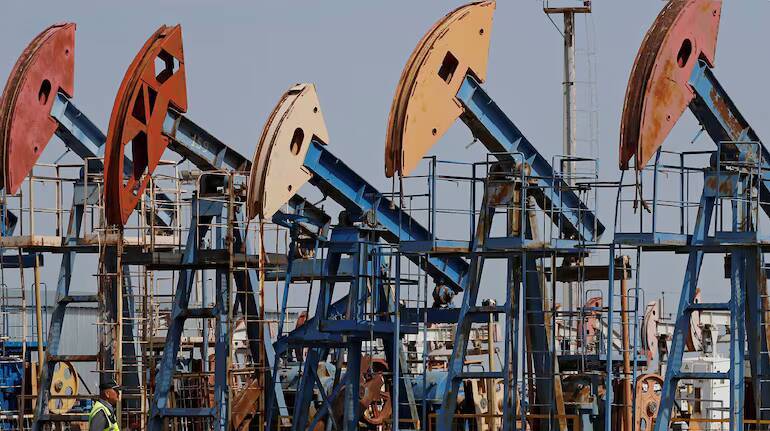
As the Union Budget for 2026-27 approaches, India’s oil and gas industry is pinning its hopes on the government to bring about significant changes in the taxation structure. The industry is seeking the inclusion of crude oil and natural gas under the Goods and Services Tax (GST) framework, but at a lower rate of 5%. This move is expected to improve the ease of doing business and provide a much-needed boost to the sector.
According to industry experts, the inclusion of petroleum products under the GST framework is long overdue. “We remain hopeful of the inclusion of petroleum within the GST framework,” said Kapil Garg, Founder of Oilmax Energy. The industry has been demanding this change for several years, and it is expected that the government will finally heed their request in the upcoming Budget.
The current taxation structure for the oil and gas industry is complex, with multiple taxes and levies applied at different stages. The industry is subject to central excise duty, value-added tax (VAT), and other state-level taxes, which makes it difficult for companies to navigate. The inclusion of crude oil and natural gas under the GST framework at a lower rate of 5% would simplify the tax structure and reduce the compliance burden on companies.
Moreover, the lower GST rate would also help to reduce the cost of production for oil and gas companies, making them more competitive in the global market. The industry is facing intense competition from international players, and the high taxation structure in India is making it difficult for domestic companies to compete. A lower GST rate would help to level the playing field and enable Indian companies to expand their operations and increase their market share.
Another key demand of the industry is compensation for the under-recoveries made on LPG sales. The government had earlier mandated oil marketing companies to sell LPG at subsidized rates, which resulted in significant under-recoveries for the companies. The industry is seeking compensation for these under-recoveries, which would help to improve their financial health and enable them to invest in new projects.
According to an executive from ICRA, a leading credit rating agency, the industry may seek compensation for the under-recoveries made on LPG sales. “The oil marketing companies have made significant under-recoveries on LPG sales, and they may seek compensation from the government,” the executive said. The compensation would help to offset the losses incurred by the companies and enable them to maintain their profitability.
The demands of the oil and gas industry are not unreasonable, and the government should consider them seriously. The industry is a critical component of the Indian economy, and its growth and development are essential for the country’s energy security. The government should strive to create a favorable business environment for the industry, which would enable it to attract investments and create jobs.
In conclusion, the oil and gas industry in India is seeking significant changes in the taxation structure in the upcoming Budget. The industry is demanding the inclusion of crude oil and natural gas under the GST framework at a lower rate of 5%, which would simplify the tax structure and reduce the compliance burden on companies. Additionally, the industry is seeking compensation for the under-recoveries made on LPG sales, which would help to improve their financial health and enable them to invest in new projects. The government should consider these demands seriously and take steps to create a favorable business environment for the industry.
The Union Budget for 2026-27 is expected to be presented in the coming weeks, and it remains to be seen whether the government will heed the demands of the oil and gas industry. However, one thing is certain – the industry is pinning its hopes on the government to bring about significant changes in the taxation structure, which would enable it to grow and develop in a sustainable manner.
As the industry waits with bated breath for the Budget, it is clear that the government has a critical role to play in shaping the future of the oil and gas sector in India. The government should strive to create a favorable business environment for the industry, which would enable it to attract investments, create jobs, and contribute to the country’s energy security.
The oil and gas industry is a critical component of the Indian economy, and its growth and development are essential for the country’s prosperity. The government should take a proactive approach to address the concerns of the industry and create a favorable business environment for it to thrive. Only then can the industry realize its full potential and contribute to the country’s economic growth and development.
About the Author