India’s oil industry seeks lower GST rates in upcoming Budget
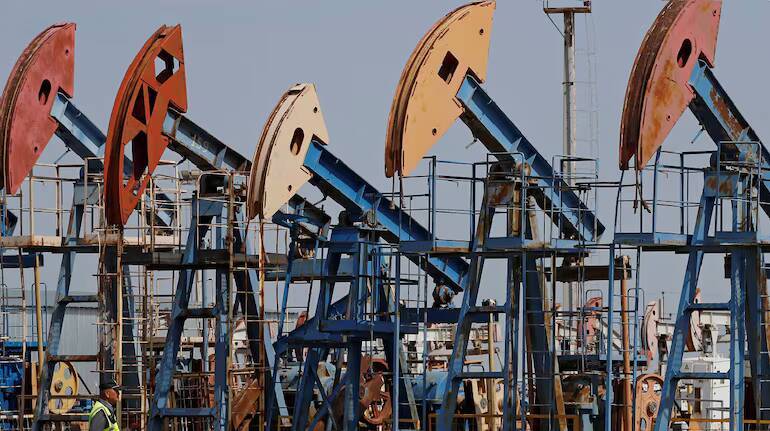
The Indian oil and gas industry is gearing up for the upcoming Budget 2026-27, with high hopes of seeing significant changes in the taxation structure. One of the key demands of the industry is the inclusion of crude oil and natural gas under the Goods and Services Tax (GST) framework at a lower slab of 5%. This move is expected to improve the ease of doing business in the sector and provide a much-needed boost to the industry.
As of now, petroleum products such as crude oil, natural gas, petrol, diesel, and aviation turbine fuel (ATF) are outside the GST framework. However, the industry has been pushing for their inclusion under GST for a long time. The main argument is that the current taxation structure leads to a cascading effect, where taxes are levied at every stage of production and distribution, resulting in higher costs for consumers.
“We remain hopeful of the inclusion of petroleum within the GST framework,” said Kapil Garg, Founder of Oilmax Energy. This sentiment is echoed by other industry players, who believe that the inclusion of petroleum products under GST will help to reduce the complexity of taxation and make the industry more competitive.
The demand for lower GST rates is not limited to crude oil and natural gas. The industry is also seeking compensation for the under-recoveries made on LPG sales. According to an executive from ICRA, a leading credit rating agency, the industry may seek compensation for the losses incurred on LPG sales due to the difference between the subsidized and market prices.
The oil and gas industry is a critical sector in the Indian economy, accounting for a significant portion of the country’s energy needs. The industry has been facing several challenges in recent years, including fluctuations in global oil prices, increasing competition, and regulatory hurdles. The inclusion of petroleum products under GST is seen as a key step towards addressing some of these challenges and making the industry more attractive to investors.
The current taxation structure for petroleum products is complex and involves multiple taxes, including excise duty, value-added tax (VAT), and central sales tax (CST). The GST framework, on the other hand, is a more streamlined and efficient system that can help to reduce the compliance burden on industry players.
The inclusion of petroleum products under GST is also expected to help the government to increase its revenue collections. According to estimates, the inclusion of petroleum products under GST can result in an additional revenue of around Rs 1 lakh crore for the government.
While the industry is hopeful of seeing some positive changes in the upcoming Budget, there are also concerns about the potential impact of GST on petroleum products. Some experts believe that the inclusion of petroleum products under GST can lead to higher prices for consumers, particularly if the GST rate is set at a higher slab.
However, industry players argue that the benefits of GST far outweigh the potential drawbacks. “The inclusion of petroleum products under GST will help to reduce the complexity of taxation and make the industry more competitive,” said Garg. “It will also help to increase the government’s revenue collections and provide a boost to the economy.”
In conclusion, the Indian oil and gas industry is seeking significant changes in the taxation structure in the upcoming Budget 2026-27. The inclusion of crude oil and natural gas under GST at a lower slab of 5% is seen as a key step towards improving the ease of doing business in the sector. The industry is also seeking compensation for the under-recoveries made on LPG sales. While there are concerns about the potential impact of GST on petroleum products, industry players believe that the benefits of GST far outweigh the drawbacks.
As the Budget 2026-27 approaches, all eyes are on the government to see how it will address the concerns of the oil and gas industry. Will the government include petroleum products under GST and provide compensation for under-recoveries on LPG sales? Only time will tell, but one thing is certain – the industry is hopeful of seeing some positive changes in the upcoming Budget.
About the Author