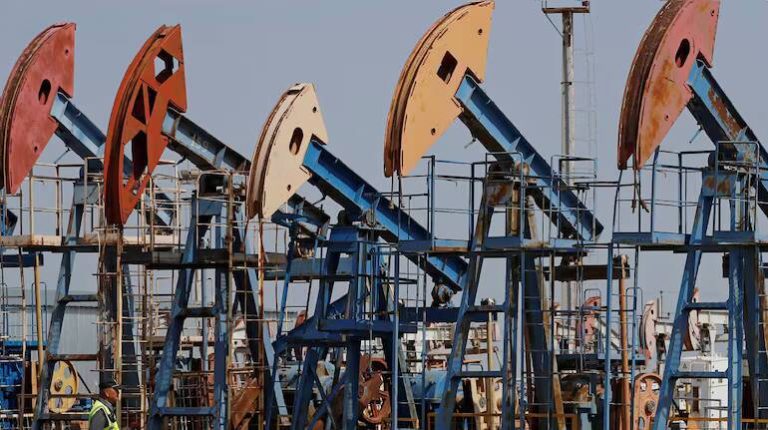
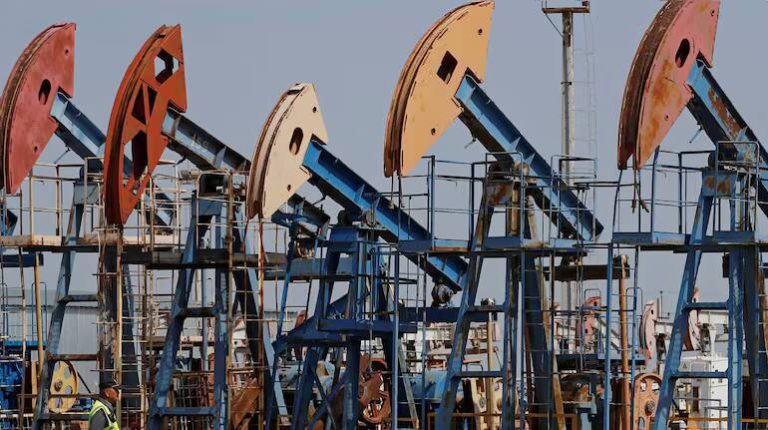
India’s oil industry seeks lower GST rates in upcoming Budget
As the Indian government prepares to unveil its Budget for the fiscal year 2026-27, the country’s oil and gas industry is pinning its hopes on a key demand: the inclusion of crude oil and natural gas under the Goods and Services Tax (GST) framework at a lower rate of 5%. This move, according to industry stakeholders, is crucial to improve the ease of doing business in the sector.
The oil and gas industry has been seeking the inclusion of petroleum products, including crude oil and natural gas, under the GST framework for several years now. Currently, these products are outside the ambit of GST, and instead, are governed by a complex web of central and state taxes. The industry argues that the inclusion of these products under GST would help simplify the tax structure, reduce compliance costs, and increase efficiency.
“We remain hopeful of the inclusion of petroleum within the GST framework,” said Kapil Garg, Founder of Oilmax Energy, a leading player in the oil and gas sector. “This would be a significant step forward in improving the ease of doing business in the sector and would help us to compete more effectively with global players.”
The industry’s demand for a lower GST rate of 5% on crude oil and natural gas is based on the fact that these products are essential inputs for the production of various petroleum products, including petrol, diesel, and LPG. A lower GST rate would help reduce the cost of production, making these products more competitive in the domestic and international markets.
In addition to the demand for a lower GST rate, the industry may also seek compensation for the under-recoveries made on LPG sales. According to an executive from ICRA, a leading credit rating agency, the oil marketing companies (OMCs) have been incurring significant under-recoveries on LPG sales due to the difference between the subsidized and market prices of LPG.
“The OMCs have been incurring under-recoveries on LPG sales, and the industry may seek compensation for these losses,” said the ICRA executive. “This could be in the form of a subsidy or a rebate on the GST paid on LPG sales.”
The demand for compensation on LPG under-recoveries is significant, given the fact that LPG is a critical component of the government’s strategy to promote clean energy and reduce dependence on traditional fuels. The government has set a target of increasing the share of LPG in the country’s energy mix to 15% by 2025, and any move to compensate the OMCs for their under-recoveries would help support this goal.
The inclusion of crude oil and natural gas under the GST framework at a lower rate of 5% would also have a positive impact on the country’s economy. According to a study by the Petroleum Planning and Analysis Cell (PPAC), a lower GST rate on these products could lead to an increase in economic growth, as it would reduce the cost of production and make Indian products more competitive in the global market.
Furthermore, the inclusion of petroleum products under GST would also help the government to increase its revenue collections. According to estimates, the inclusion of petroleum products under GST could lead to an additional revenue collection of around Rs 1 lakh crore per annum.
In conclusion, the Indian oil and gas industry is seeking the inclusion of crude oil and natural gas under the GST framework at a lower rate of 5% in the upcoming Budget 2026-27. This move, according to industry stakeholders, is crucial to improve the ease of doing business in the sector and would have a positive impact on the country’s economy. The industry may also seek compensation for the under-recoveries made on LPG sales, which would help support the government’s goal of promoting clean energy and reducing dependence on traditional fuels.
About the Author