2 suspected Nipah Virus cases detected in Bengal, both critical
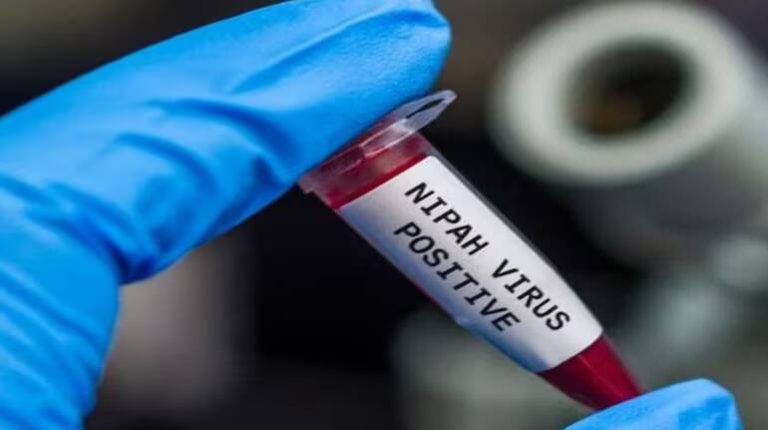
In a concerning development, two suspected cases of Nipah virus were detected in West Bengal’s Barasat, officials said on Monday. The infection was detected in two nurses, one male and one female, who are currently admitted to Barasat Hospital in critical condition. The news has sent shockwaves across the state, with health officials scrambling to contain the outbreak and prevent further spread of the disease.
According to reports, the two nurses, who were working at a private hospital in Barasat, started showing symptoms of the disease late last week. They were initially treated for fever and respiratory distress, but their condition deteriorated rapidly, prompting hospital authorities to suspect Nipah virus infection. The hospital immediately informed the state health department, which swung into action to investigate the cases and take necessary precautions to prevent the spread of the disease.
The Nipah virus is a highly contagious and deadly disease that can be transmitted through direct contact with infected animals, such as bats, or through indirect contact with contaminated food and water. The virus can cause a range of symptoms, including fever, headache, and respiratory distress, and can be fatal if left untreated. In 2018, a Nipah virus outbreak in Kerala killed 17 people, highlighting the need for prompt action to contain the disease.
The detection of two suspected Nipah virus cases in West Bengal has raised concerns about the preparedness of the state’s healthcare system to deal with the disease. While the state health department has assured that all necessary precautions are being taken to prevent the spread of the disease, the fact that the two nurses are in critical condition has raised questions about the effectiveness of the response so far.
Union Health Minister JP Nadda has said that a National Joint Outbreak Response Team has been sent to West Bengal to check the outbreak and provide assistance. The team, which includes experts from the National Centre for Disease Control (NCDC) and the Indian Council of Medical Research (ICMR), will work with state health officials to investigate the cases, identify the source of the infection, and take necessary steps to prevent further spread of the disease.
The deployment of a National Joint Outbreak Response Team to West Bengal is a welcome move, as it will provide the state with the necessary expertise and resources to deal with the outbreak. The team will work closely with state health officials to identify the source of the infection, which is critical to preventing further spread of the disease. The team will also provide guidance on the treatment and management of the patients, as well as on the measures that need to be taken to prevent the spread of the disease to others.
The detection of two suspected Nipah virus cases in West Bengal is a reminder of the need for constant vigilance and preparedness to deal with infectious diseases. The state’s healthcare system needs to be equipped to respond quickly and effectively to outbreaks, and to take necessary precautions to prevent the spread of diseases. This includes ensuring that healthcare workers have access to personal protective equipment (PPE), that hospitals have adequate isolation facilities, and that the public is aware of the risks and symptoms of the disease.
In the meantime, the people of West Bengal, particularly those living in and around Barasat, need to be vigilant and take necessary precautions to protect themselves from the disease. This includes avoiding contact with animals that may be infected, such as bats, and avoiding consumption of contaminated food and water. The public also needs to be aware of the symptoms of the disease, which include fever, headache, and respiratory distress, and to seek medical attention immediately if they experience any of these symptoms.
In conclusion, the detection of two suspected Nipah virus cases in West Bengal is a concerning development that requires prompt action to contain the outbreak and prevent further spread of the disease. The deployment of a National Joint Outbreak Response Team to the state is a welcome move, and the state’s healthcare system needs to be equipped to respond quickly and effectively to outbreaks. The public also needs to be vigilant and take necessary precautions to protect themselves from the disease.
About the Author