What is ‘Sell America’ trade, resurfaced after probe involving Fed’s Powell?
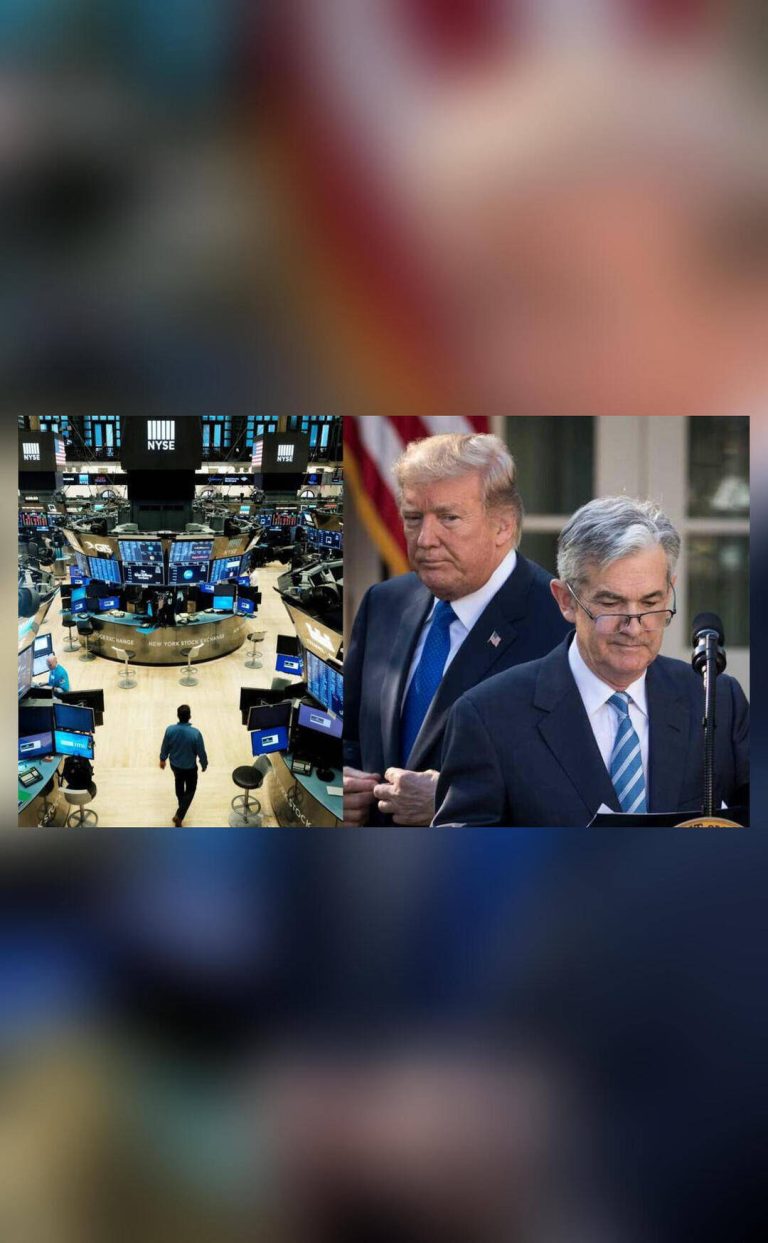
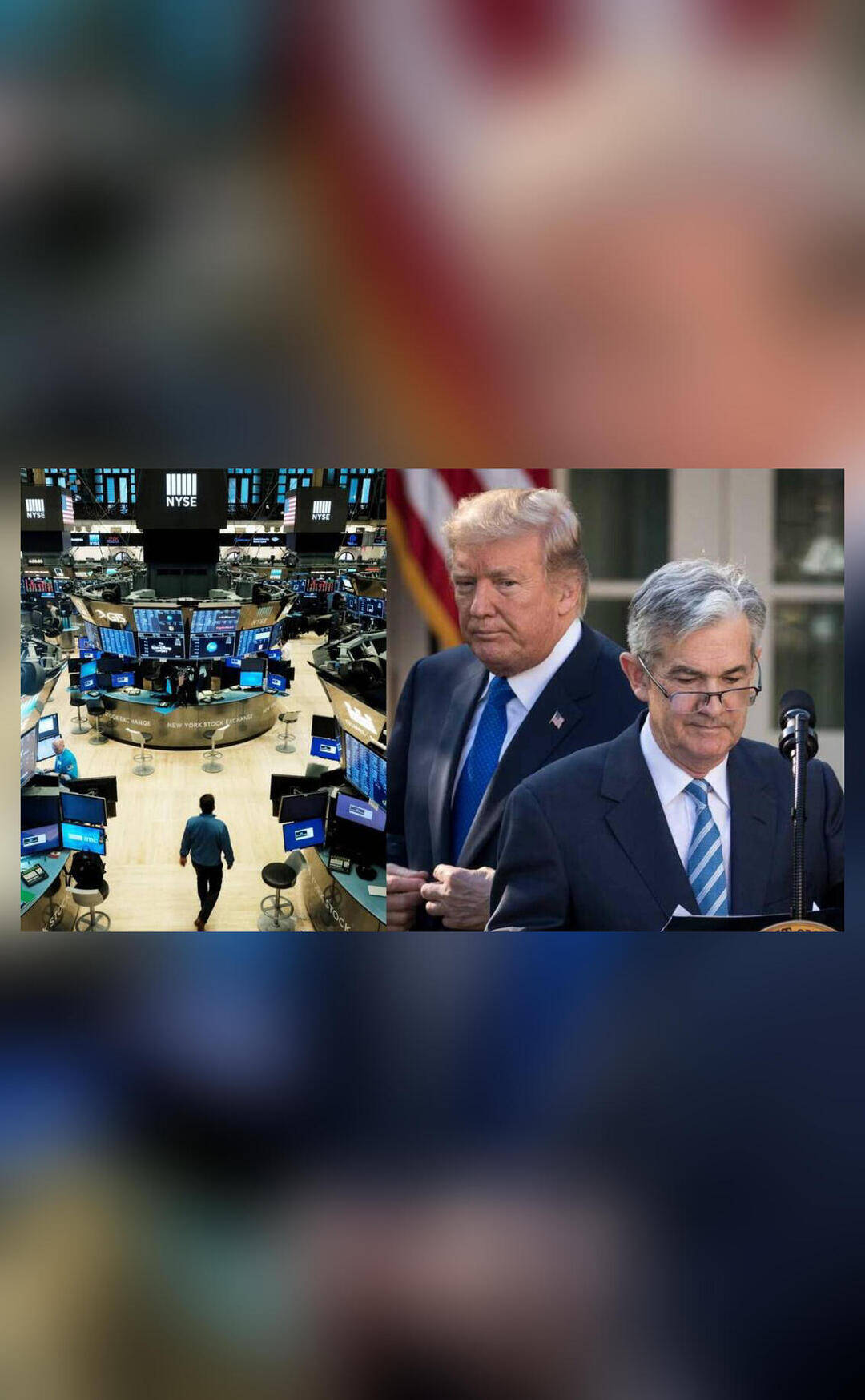
The term “Sell America” trade has resurfaced in US markets after federal prosecutors opened a criminal investigation into Federal Reserve chair Jerome Powell. This phenomenon refers to a situation where investors lose confidence in the US economy or its leadership, leading to a simultaneous sell-off of US stocks, US government bonds, and the US dollar. The recent probe into Powell’s activities has sparked fears among investors, causing them to question the independence of the Federal Reserve and the overall stability of the US economy.
The “Sell America” trade is not a new concept, but it has gained significant attention in recent years due to the increasing uncertainty and volatility in global markets. When investors lose faith in the US economy or its leadership, they tend to withdraw their investments from the country, leading to a decline in the value of US assets. This, in turn, can have far-reaching consequences for the global economy, as the US is one of the largest and most influential economies in the world.
The current investigation into Powell’s activities has raised concerns among investors about the potential implications for the Federal Reserve’s independence. The Federal Reserve, also known as the Fed, is the central bank of the United States, responsible for setting monetary policy and regulating the country’s financial system. The Fed’s independence is crucial, as it allows the institution to make decisions based on economic data and analysis, rather than political considerations.
However, the probe into Powell’s activities has sparked fears that the Fed’s independence may be compromised. If the investigation were to lead to Powell’s resignation or removal, it could have significant implications for the US economy and financial markets. The Fed’s monetary policy decisions, including interest rates and quantitative easing, have a direct impact on the US economy and financial markets. Any changes to the Fed’s leadership or policies could lead to market volatility and uncertainty.
The “Sell America” trade is often seen as a vote of no confidence in the US economy or its leadership. When investors sell US assets, they are effectively betting against the country’s economic prospects. This can have significant consequences, as a decline in the value of US assets can lead to a decrease in investor confidence, a slowdown in economic growth, and even a recession.
The recent probe into Powell’s activities has also raised concerns about the potential impact on the US dollar. The US dollar is one of the most widely traded currencies in the world and is often seen as a safe-haven asset. However, if investors lose confidence in the US economy or its leadership, they may start to sell the US dollar, leading to a decline in its value. This, in turn, can have significant implications for international trade and finance, as a weaker US dollar can make US exports more competitive, but also increase the cost of imports.
In addition to the potential implications for the US economy and financial markets, the “Sell America” trade also has significant consequences for global markets. The US is one of the largest and most influential economies in the world, and any changes to its economic prospects or leadership can have far-reaching implications for other countries. A decline in the value of US assets can lead to a decrease in investor confidence, a slowdown in economic growth, and even a recession in other countries.
The “Sell America” trade is not just limited to US assets; it can also have significant implications for other countries that have close economic ties with the US. For example, a decline in the value of the US dollar can lead to a decrease in the value of other currencies that are pegged to the US dollar. This, in turn, can have significant implications for international trade and finance, as a weaker currency can make exports more competitive, but also increase the cost of imports.
In conclusion, the “Sell America” trade is a phenomenon that refers to a situation where investors lose confidence in the US economy or its leadership, leading to a simultaneous sell-off of US stocks, US government bonds, and the US dollar. The recent probe into Powell’s activities has sparked fears among investors, causing them to question the independence of the Federal Reserve and the overall stability of the US economy. The potential implications of the “Sell America” trade are far-reaching, and can have significant consequences for the US economy, financial markets, and global markets.
As the investigation into Powell’s activities continues, investors will be closely watching the developments and their potential impact on the US economy and financial markets. The “Sell America” trade is a reminder of the importance of investor confidence and the potential consequences of a decline in confidence in the US economy or its leadership.
About the Author