What is ‘Sell America’ trade, resurfaced after probe involving Fed’s Powell?
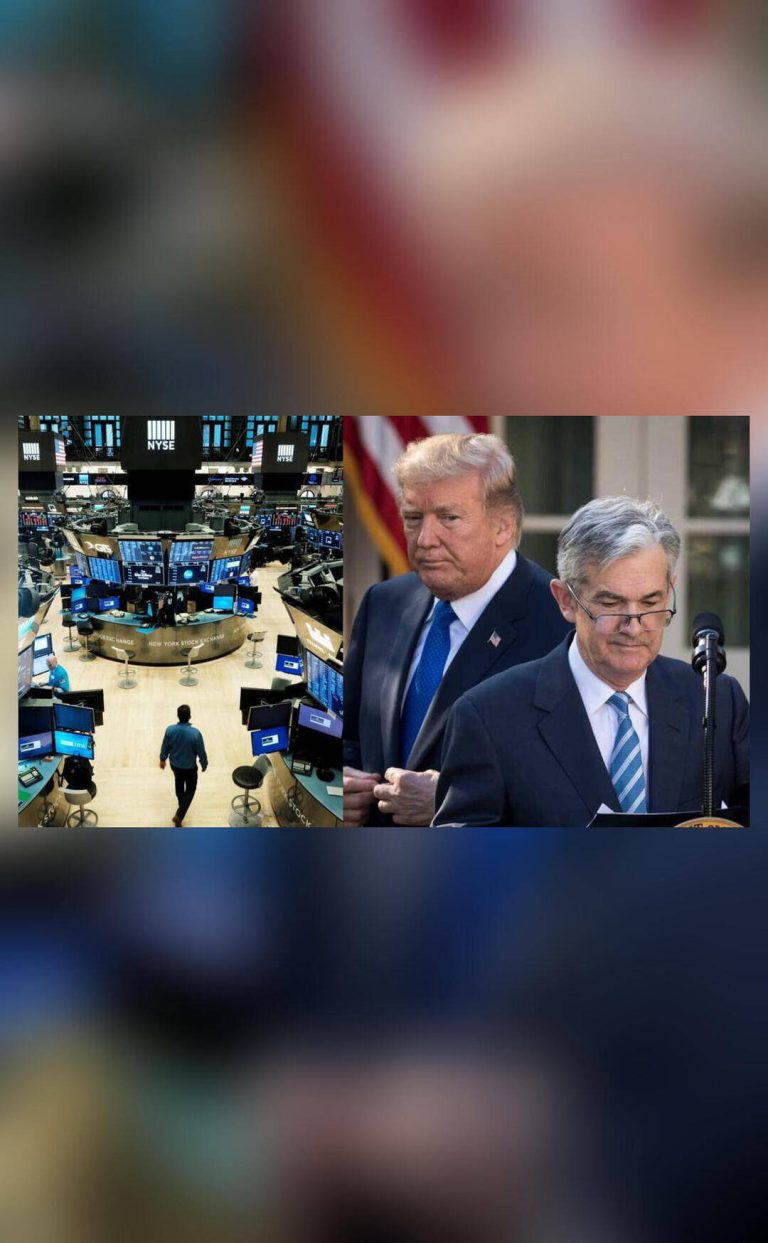
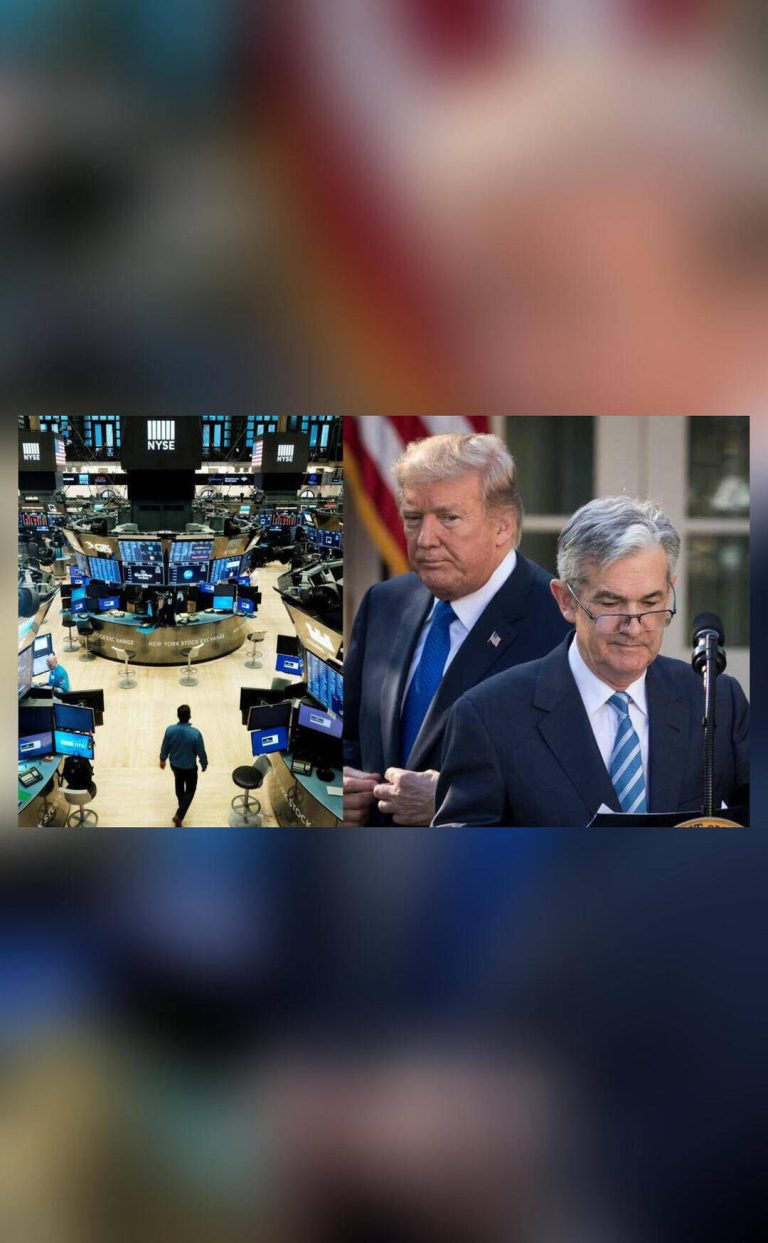
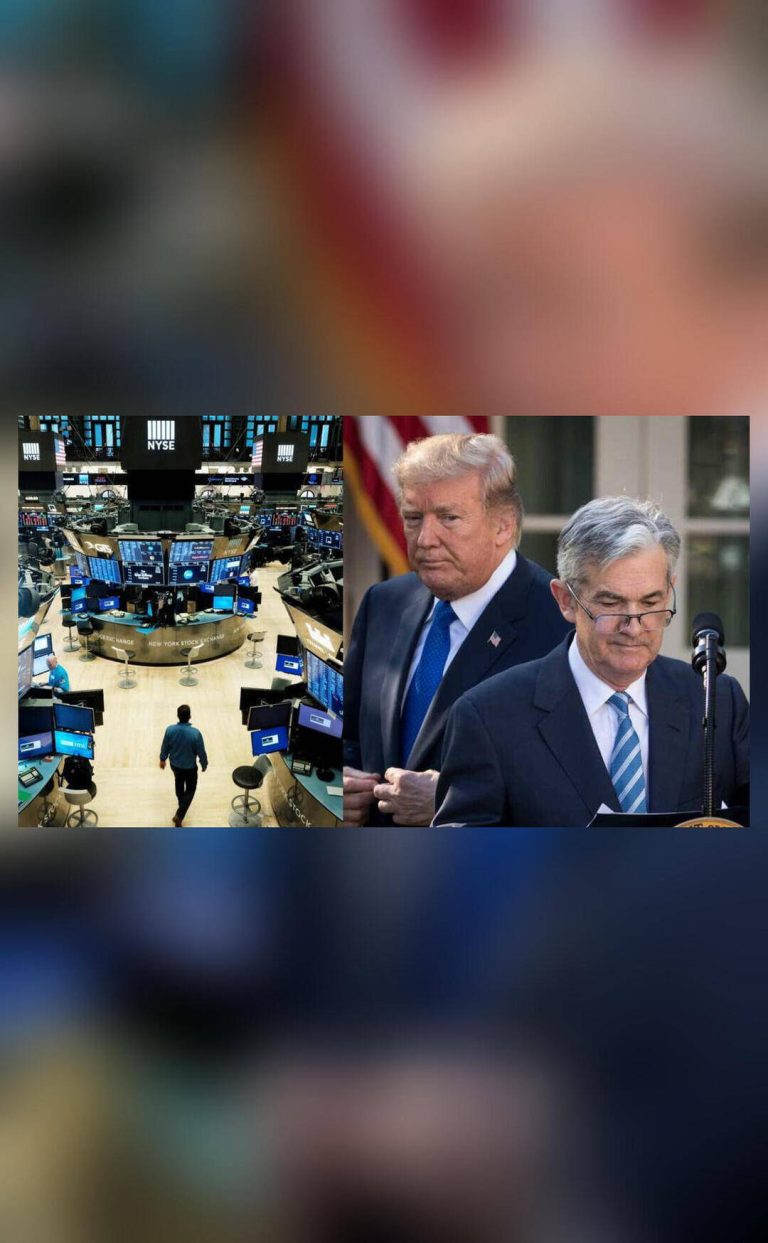
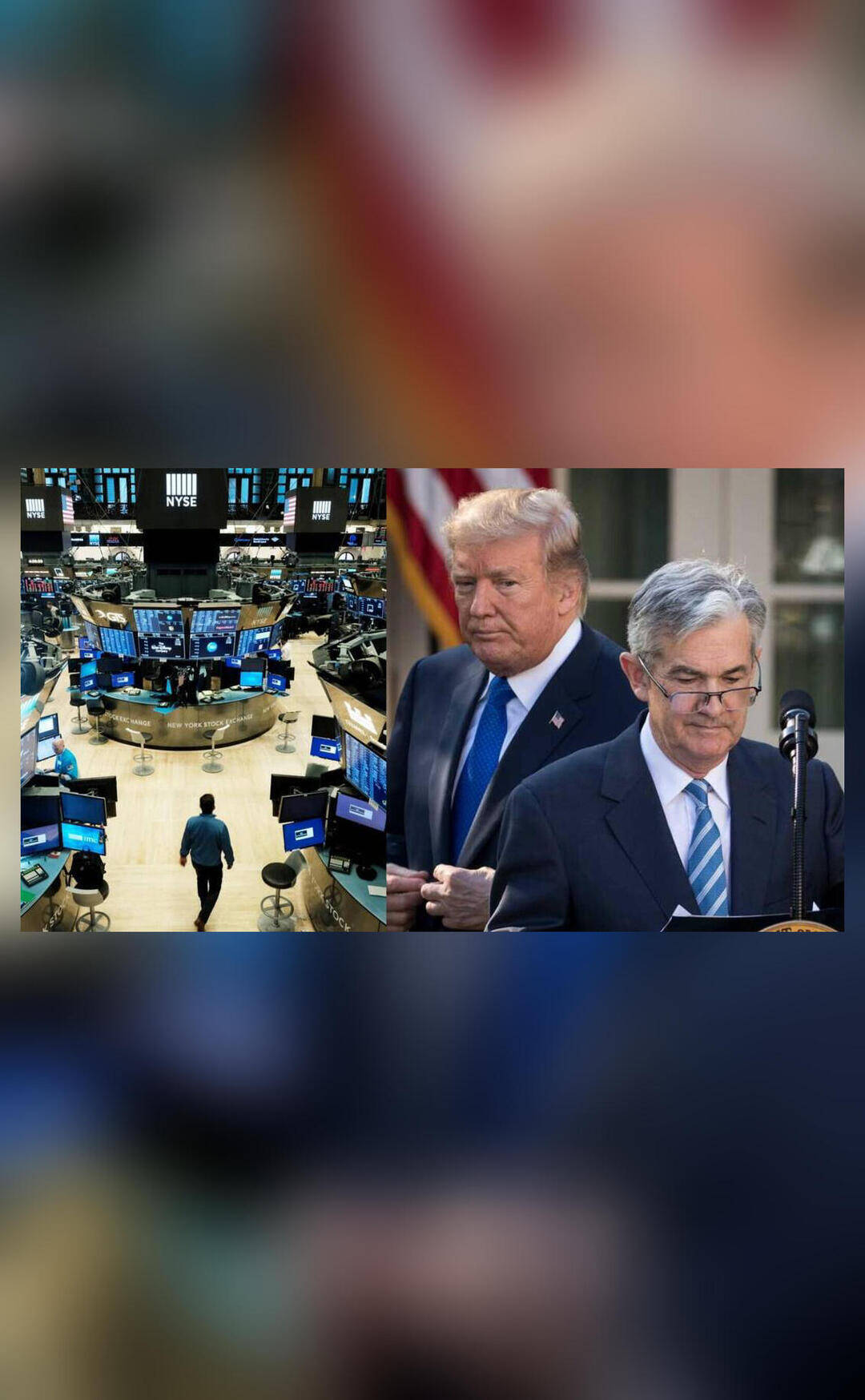
The US financial markets witnessed a significant shift on Monday with the emergence of the “Sell America” trade. This phenomenon occurred after federal prosecutors launched a criminal investigation into Federal Reserve Chair Jerome Powell. The term “Sell America” trade refers to a situation where investors lose confidence in the US economy or its leadership, prompting them to sell US stocks, US government bonds, and the US dollar simultaneously.
When investors lose faith in the US economy or its leaders, they tend to withdraw their investments from the country. This can be due to various reasons such as political instability, economic downturn, or concerns over the independence of key institutions like the Federal Reserve. The “Sell America” trade is a manifestation of this lack of confidence, as investors seek to minimize their exposure to the US market and mitigate potential losses.
The investigation into Jerome Powell has sparked concerns among investors about the independence of the Federal Reserve. The Fed, as the central bank of the United States, plays a crucial role in shaping the country’s monetary policy. Its independence is essential to ensure that decisions are made based on economic considerations rather than political pressures. The probe into Powell’s activities has raised questions about the Fed’s ability to maintain its independence, which is critical for maintaining investor confidence.
The “Sell America” trade can have far-reaching implications for the US economy. When investors sell US stocks, it can lead to a decline in the stock market, which can have a ripple effect on the overall economy. A decline in stock prices can reduce consumer spending, lead to lower economic growth, and even impact employment rates. Similarly, the sale of US government bonds can lead to higher interest rates, making borrowing more expensive for consumers and businesses. This can further exacerbate the economic slowdown.
The sale of the US dollar is another critical aspect of the “Sell America” trade. A decline in the value of the dollar can make imports more expensive, leading to higher inflation. This can erode the purchasing power of consumers and reduce their spending, which can have a negative impact on the economy. Furthermore, a weak dollar can also make US exports more competitive, but this may not be enough to offset the negative effects of a declining currency.
The emergence of the “Sell America” trade has significant implications for investors, policymakers, and the broader economy. Investors need to be cautious and monitor the situation closely, as the investigation into Powell and the Fed’s independence can lead to increased volatility in the markets. Policymakers, on the other hand, need to ensure that the Fed’s independence is maintained, and the economy is shielded from political pressures.
The “Sell America” trade is not a new phenomenon. It has occurred in the past, particularly during times of economic uncertainty or political instability. However, the current situation is unique, given the investigation into the Fed’s leadership and the potential implications for the US economy. As the situation unfolds, it is essential to keep a close eye on the developments and their impact on the markets.
In conclusion, the “Sell America” trade has resurfaced in the US markets, sparked by the investigation into Federal Reserve Chair Jerome Powell. This phenomenon reflects a loss of confidence in the US economy or its leadership, leading to a sell-off of US stocks, government bonds, and the dollar. The implications of this trade are far-reaching, and investors, policymakers, and the broader economy need to be aware of the potential risks and take necessary precautions.
The situation is being closely monitored, and any further developments will be critical in determining the direction of the US economy. As the investigation into Powell continues, it is essential to ensure that the Fed’s independence is maintained, and the economy is shielded from political pressures. The “Sell America” trade is a reminder of the importance of confidence in the US economy and its institutions, and any erosion of this confidence can have significant consequences.
About the Author