What is ‘Sell America’ trade, resurfaced after probe involving Fed’s Powell?
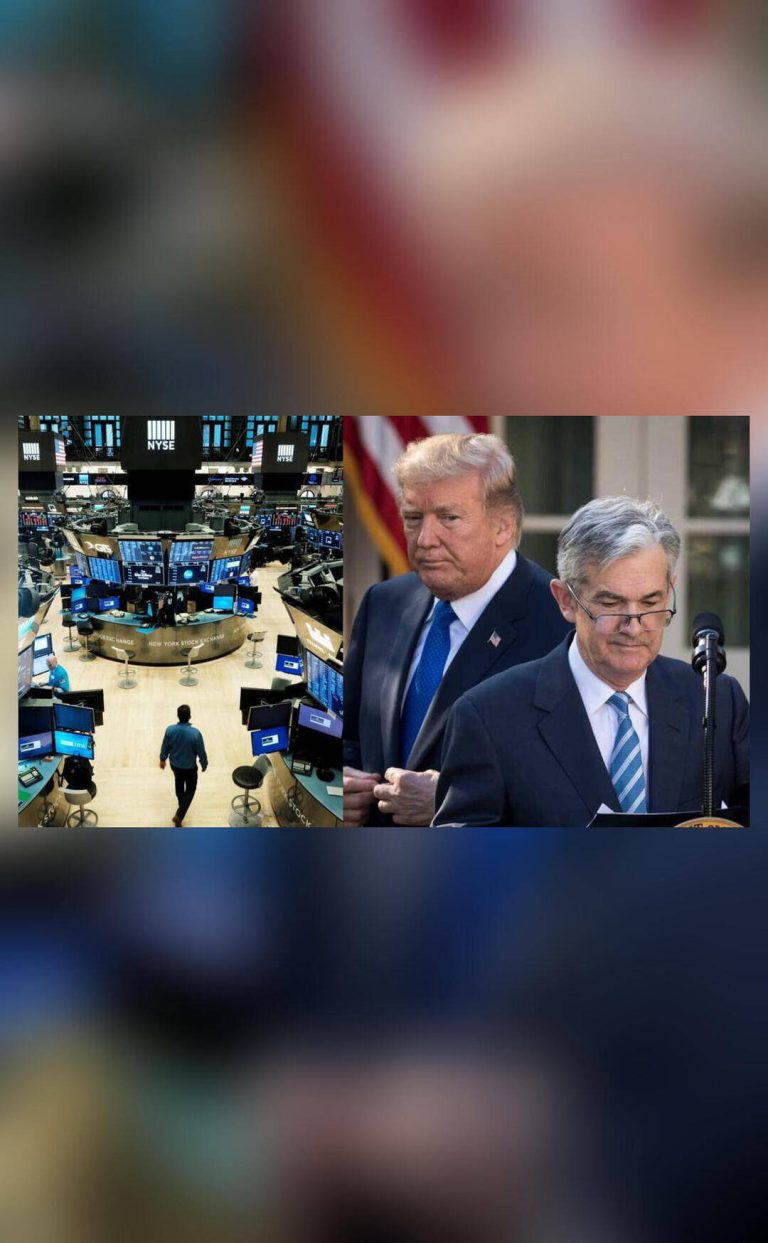
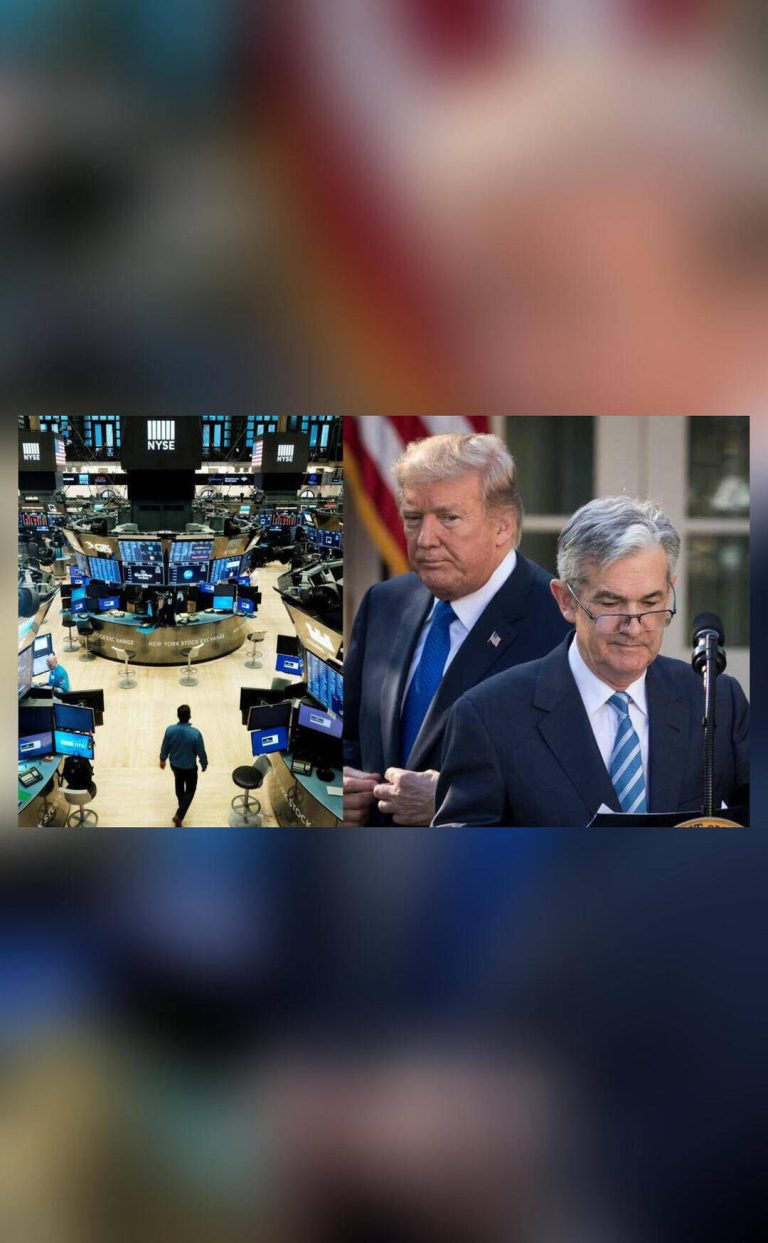
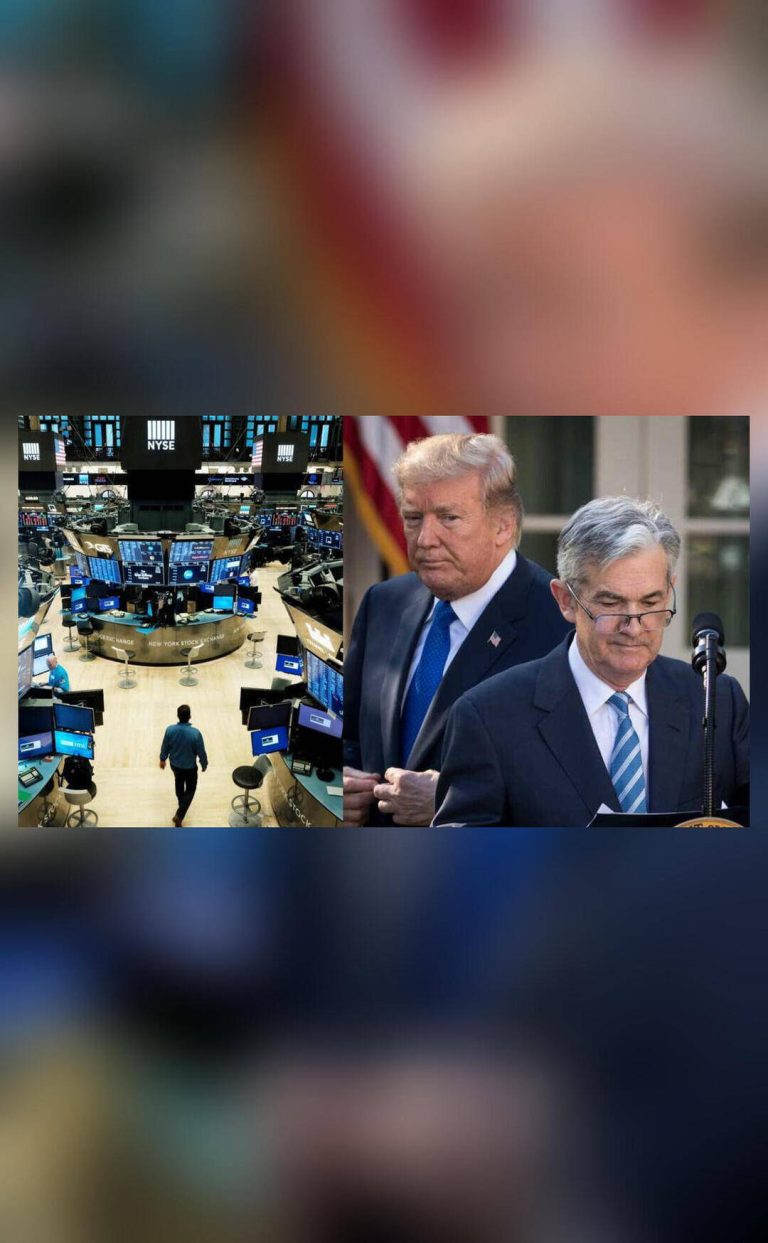
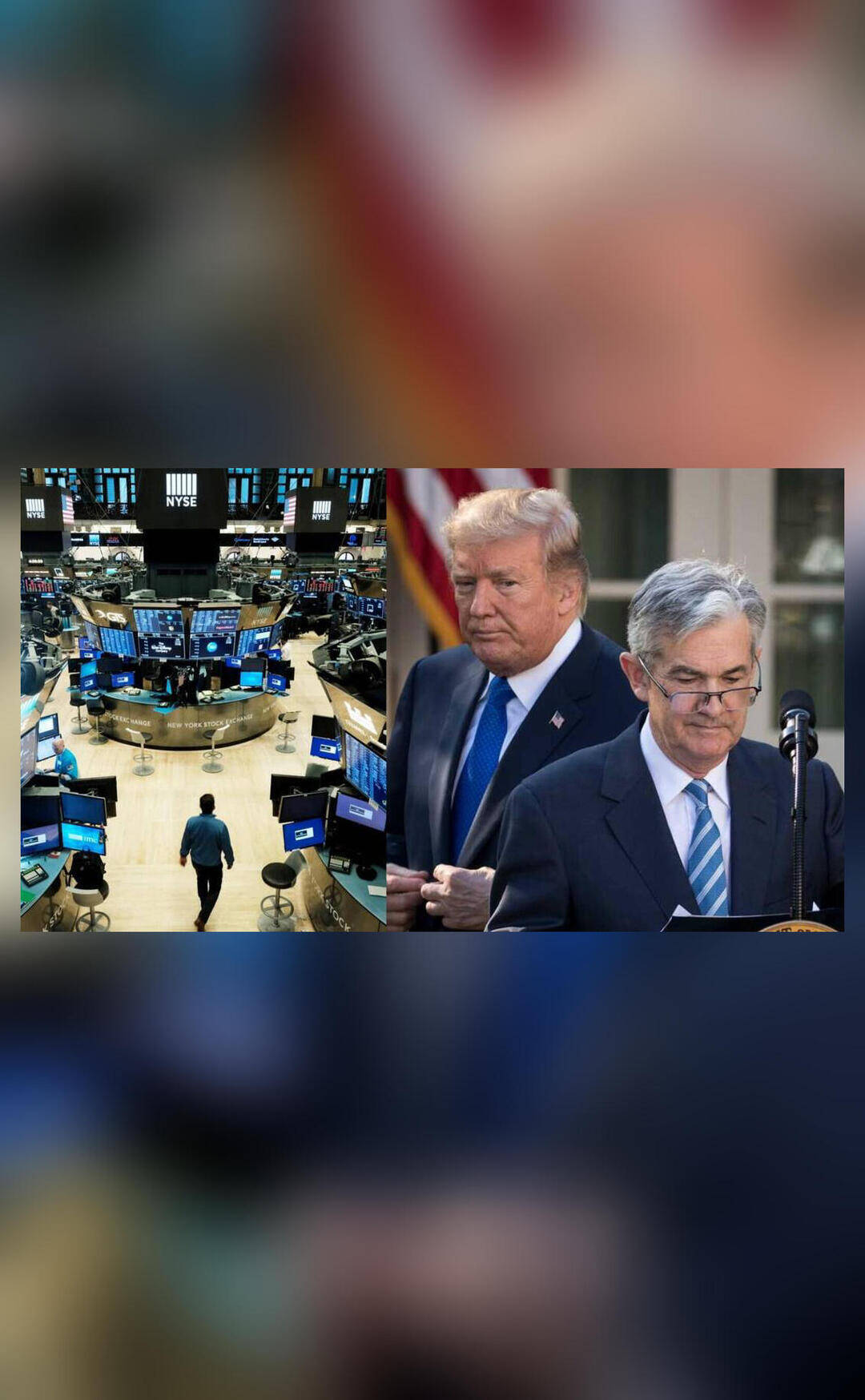
The term ‘Sell America’ trade has resurfaced in US markets, and it’s not a pleasant development for investors. This phenomenon emerged on Monday after federal prosecutors opened a criminal investigation into Federal Reserve chair Jerome Powell. The ‘Sell America’ trade refers to a situation when investors lose confidence in the US economy or its leadership, prompting them to sell US stocks, US government bonds, and the US dollar all at the same time. This can have far-reaching consequences for the global economy, and it’s essential to understand what’s driving this trend.
To comprehend the ‘Sell America’ trade, let’s first examine the factors that contribute to it. When investors lose faith in the US economy or its leadership, they start to doubt the country’s ability to manage its finances, regulate its markets, and maintain economic stability. This lack of confidence can be triggered by various events, such as political uncertainty, economic downturns, or scandals involving high-ranking officials. In this case, the investigation into Fed Chair Powell has raised concerns about the independence of the Federal Reserve and its ability to make decisions without political interference.
The ‘Sell America’ trade is a self-reinforcing cycle, where investors sell US assets, causing their value to decline, which in turn erodes confidence further, leading to even more selling. This can create a vicious cycle, making it challenging for the US economy to recover. The selling of US stocks, bonds, and the dollar can have a ripple effect, impacting other economies and markets around the world.
One of the primary concerns driving the ‘Sell America’ trade is the perceived erosion of the Federal Reserve’s independence. The Fed is supposed to be an independent institution, making decisions based on economic data and forecasts, rather than political considerations. However, the investigation into Powell has raised questions about whether the Fed is truly independent or if it’s being influenced by political forces. If investors believe that the Fed is not independent, they may lose confidence in its ability to manage the economy, leading to a sell-off of US assets.
Another factor contributing to the ‘Sell America’ trade is the rising political uncertainty in the US. The investigation into Powell is just one of several high-profile probes involving top government officials, which has created an atmosphere of uncertainty and instability. Investors dislike uncertainty, and when they perceive that the US political system is dysfunctional or corrupt, they may decide to sell US assets and look for safer havens elsewhere.
The ‘Sell America’ trade can have significant consequences for the global economy. If US assets continue to decline in value, it could lead to a decline in investor confidence, causing a broader sell-off of risk assets. This, in turn, could lead to a global economic downturn, as investors become more risk-averse and reduce their exposure to equities and other risky assets. Furthermore, a decline in the value of the US dollar could make imports more expensive for American consumers, leading to higher inflation and reduced economic growth.
In addition to the economic consequences, the ‘Sell America’ trade also has implications for the US economy’s reputation and influence. If investors lose confidence in the US economy and its leadership, it could damage the country’s reputation as a safe and stable destination for investment. This could lead to a decline in foreign investment, making it more challenging for the US to finance its budget deficits and maintain its economic growth.
To mitigate the effects of the ‘Sell America’ trade, policymakers and regulators must take steps to restore investor confidence in the US economy and its leadership. This could involve measures to ensure the independence of the Federal Reserve, such as strengthening its governance structure and reducing political interference. Additionally, policymakers must address the underlying concerns driving the ‘Sell America’ trade, such as political uncertainty and corruption, by implementing reforms that promote transparency and accountability.
In conclusion, the ‘Sell America’ trade is a phenomenon that emerges when investors lose confidence in the US economy or its leadership. The current investigation into Fed Chair Powell has raised concerns about the independence of the Federal Reserve and the stability of the US economy, leading to a sell-off of US assets. To restore investor confidence and mitigate the effects of the ‘Sell America’ trade, policymakers and regulators must take steps to address the underlying concerns and promote transparency and accountability. As the situation continues to unfold, investors will be closely watching the developments and adjusting their strategies accordingly.
About the Author