What is ‘Sell America’ trade, resurfaced after probe involving Fed’s Powell?
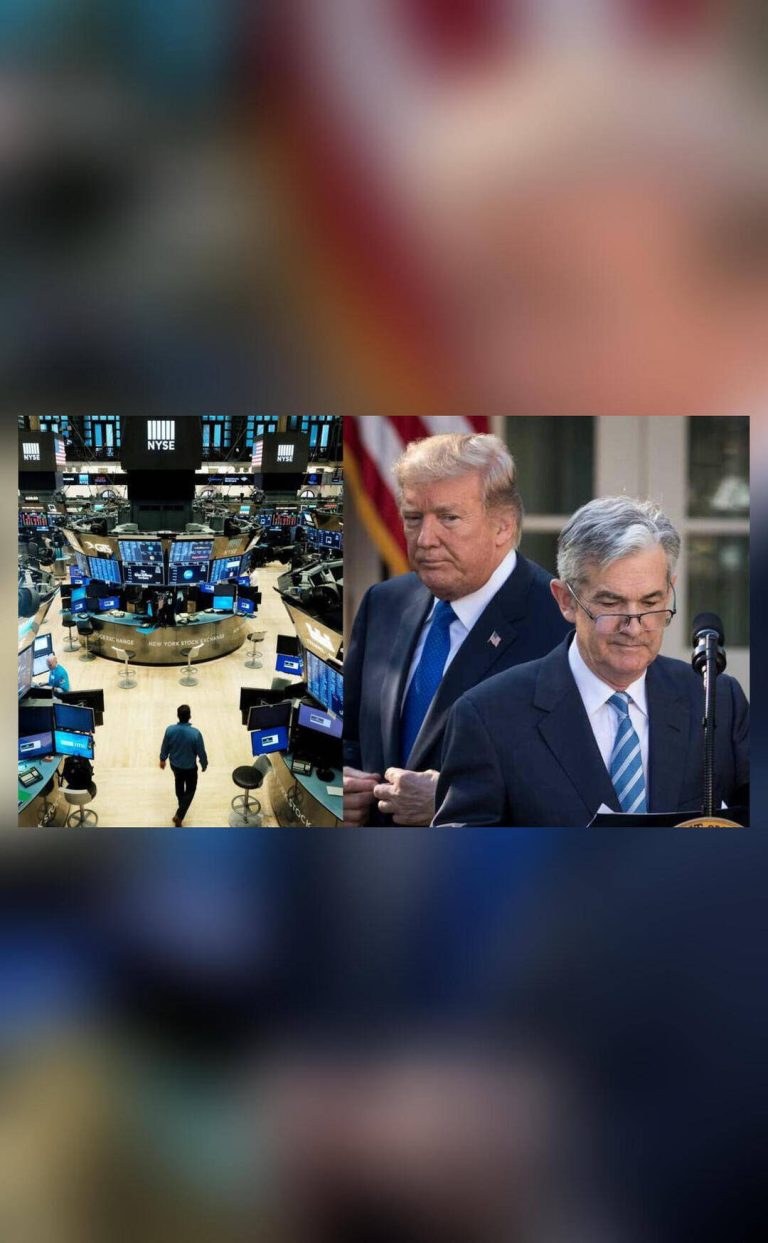
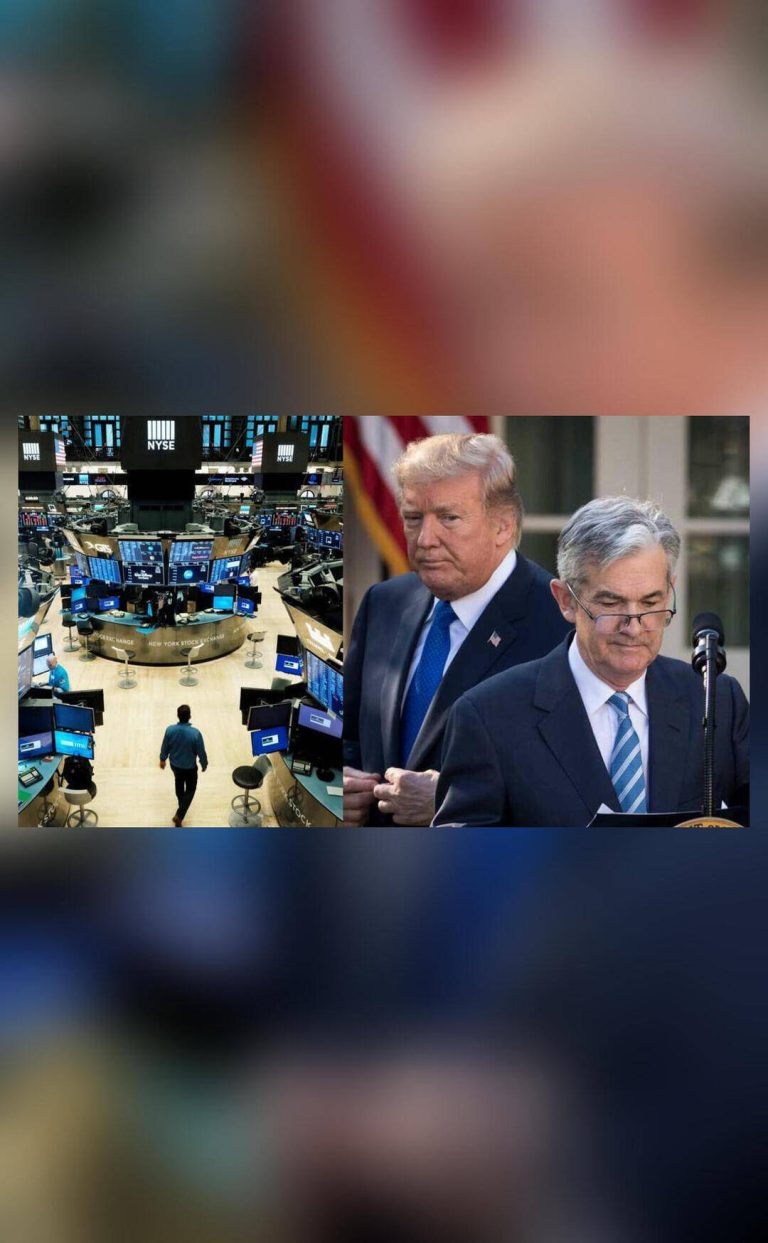
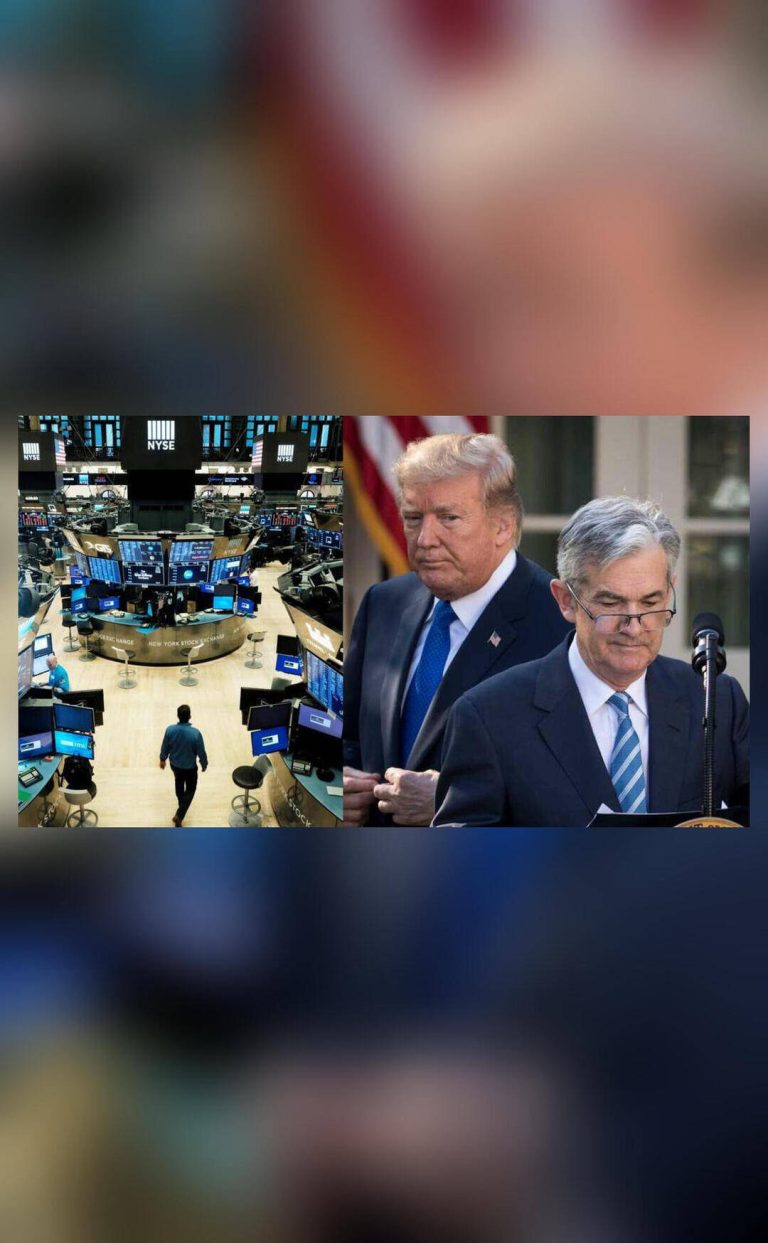
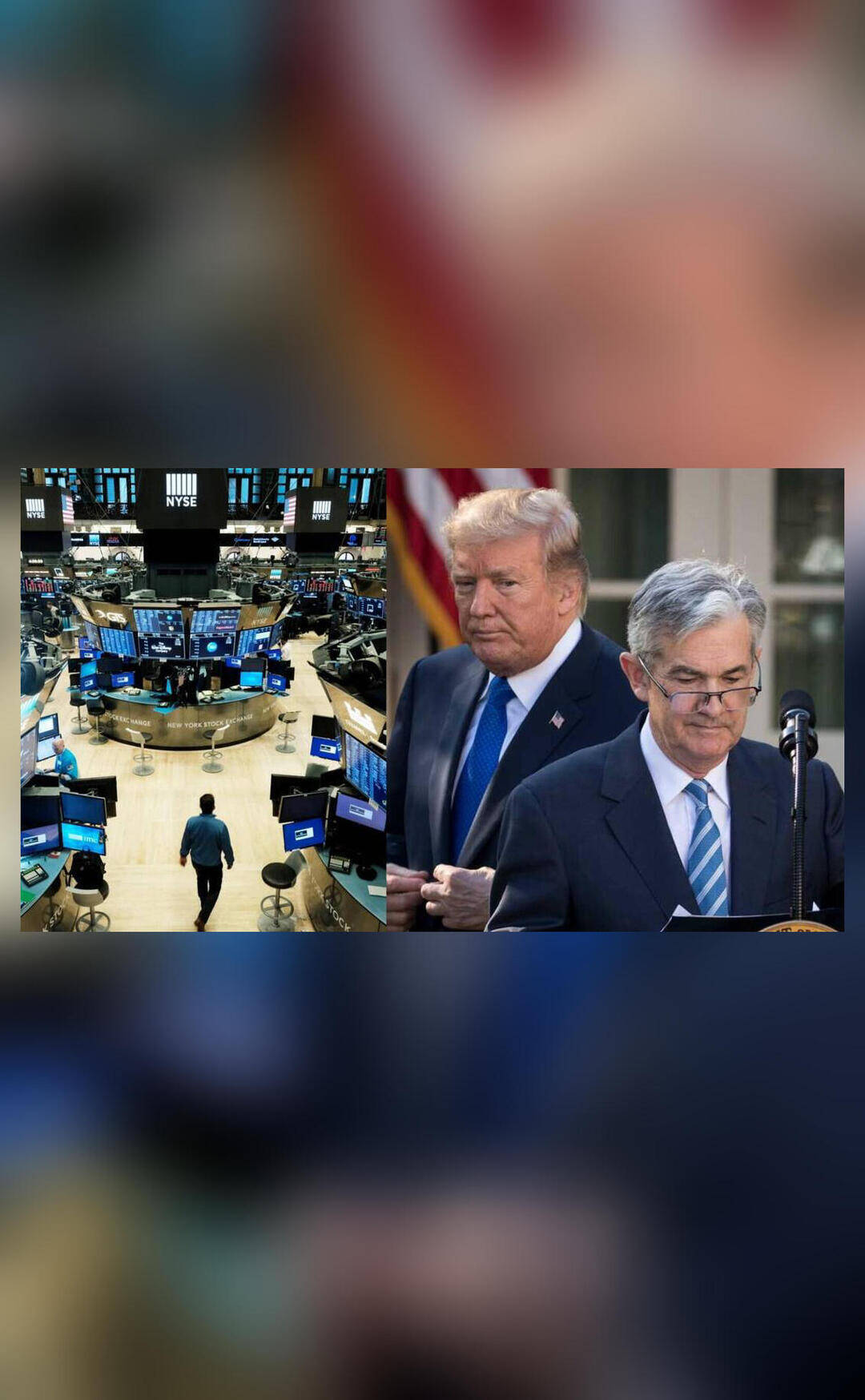
The ‘Sell America’ trade emerged in US markets on Monday after federal prosecutors opened a criminal investigation into Federal Reserve chair Jerome Powell. The term refers to a situation when investors lose confidence in the US economy or its leadership. When this happens, they start selling US stocks, US government bonds, and the US dollar all at the same time. This phenomenon is often seen as a vote of no confidence in the country’s economic management and can have significant implications for the global economy.
The ‘Sell America’ trade is not a new concept, but it has gained significant attention in recent times due to the ongoing investigation into the Federal Reserve and its chairman. The investigation has sparked fears among investors about the independence of the Fed and its ability to make decisions without political interference. As a result, investors are becoming increasingly cautious and are starting to sell off their US assets, leading to a decline in the value of the US dollar and US government bonds.
The ‘Sell America’ trade is often triggered by a loss of confidence in the US economy or its leadership. This can be due to a variety of factors, including political instability, economic downturn, or concerns about the country’s fiscal policy. When investors lose confidence, they start to sell off their US assets, including stocks, bonds, and the US dollar. This can lead to a decline in the value of these assets and can have significant implications for the global economy.
One of the key implications of the ‘Sell America’ trade is the decline in the value of the US dollar. When investors sell off their US assets, they often exchange their dollars for other currencies, leading to a decline in the value of the dollar. This can make imports more expensive for US consumers and can lead to higher inflation. Additionally, a decline in the value of the dollar can also make US exports more competitive, which can lead to an increase in exports and a boost to the US economy.
Another implication of the ‘Sell America’ trade is the decline in the value of US government bonds. When investors sell off their US government bonds, they often do so in exchange for bonds from other countries or other types of investments. This can lead to a decline in the value of US government bonds and can increase the cost of borrowing for the US government. This can have significant implications for the US economy, as higher borrowing costs can lead to higher interest rates and slower economic growth.
The ‘Sell America’ trade can also have significant implications for the global economy. When investors sell off their US assets, they often invest in other countries or other types of investments. This can lead to an increase in investment in other countries and can boost their economies. Additionally, a decline in the value of the US dollar can also make imports from other countries more expensive, which can lead to higher inflation and slower economic growth in those countries.
The investigation into the Federal Reserve and its chairman has sparked fears among investors about the independence of the Fed and its ability to make decisions without political interference. The Fed is responsible for setting interest rates and regulating the US banking system, and its independence is seen as crucial for maintaining the stability of the US economy. If the Fed is seen as being influenced by political considerations, it can lead to a loss of confidence in the US economy and can trigger the ‘Sell America’ trade.
The ‘Sell America’ trade is not just limited to the US economy; it can also have significant implications for other countries. Many countries, including emerging markets, have significant investments in US assets, including US stocks, bonds, and the US dollar. When investors sell off their US assets, it can lead to a decline in the value of these assets and can have significant implications for the economies of these countries.
In conclusion, the ‘Sell America’ trade is a phenomenon that occurs when investors lose confidence in the US economy or its leadership. It is characterized by a decline in the value of US stocks, US government bonds, and the US dollar, and can have significant implications for the global economy. The investigation into the Federal Reserve and its chairman has sparked fears among investors about the independence of the Fed and its ability to make decisions without political interference, leading to a resurgence of the ‘Sell America’ trade. As the situation continues to unfold, it will be important to monitor the implications of the ‘Sell America’ trade and its impact on the global economy.
About the Author