2 Suspected Nipah Virus Cases Detected in Bengal, Both Critical
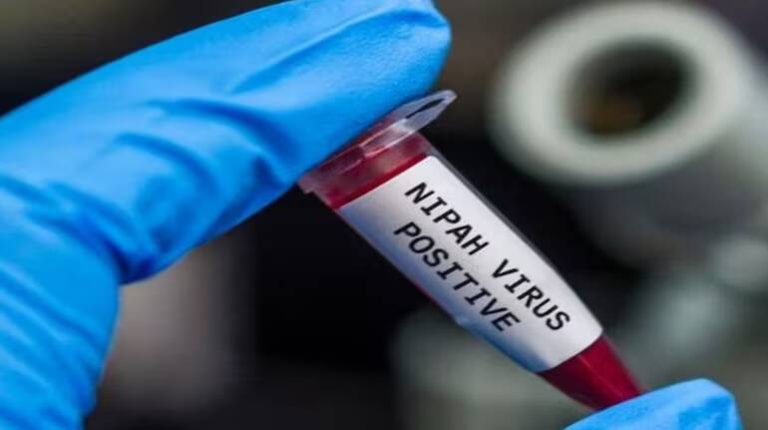
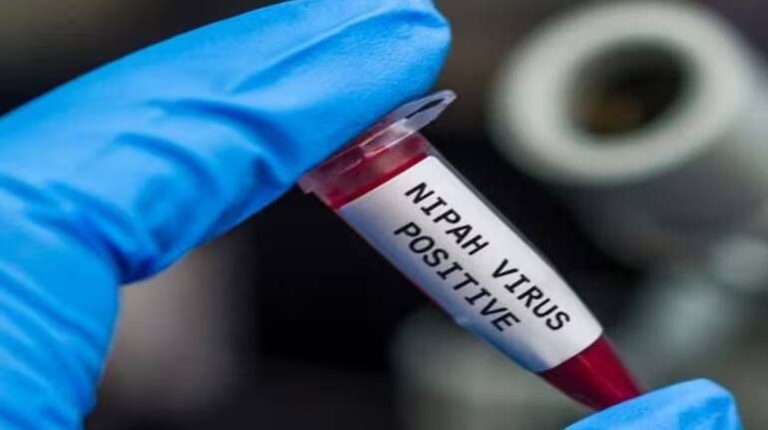
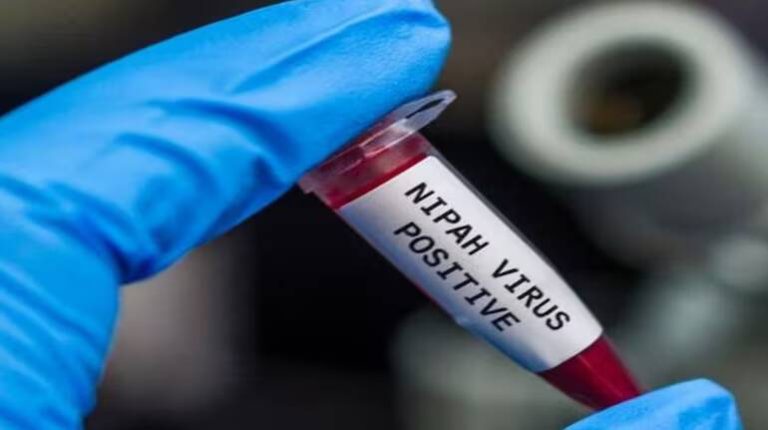
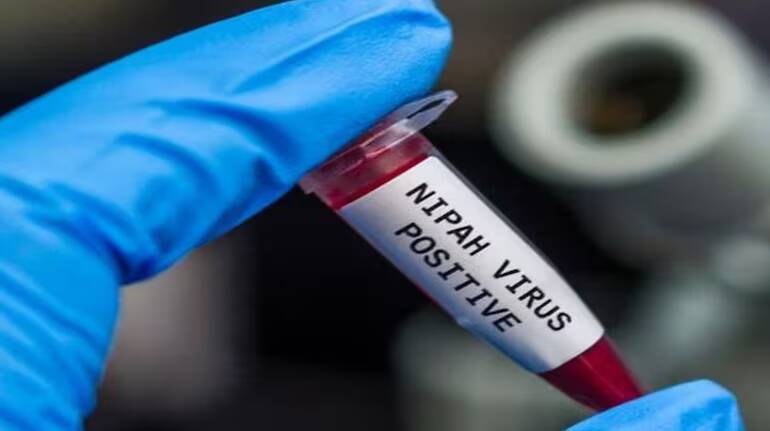
The Nipah virus, a highly infectious and deadly disease, has once again raised its head in India. Two suspected cases of Nipah virus were detected in West Bengal’s Barasat, officials said on Monday. The infection was detected in two nurses, one male and one female, who are currently admitted to Barasat Hospital in critical condition. This news has sent shockwaves across the country, and the Union Health Minister has taken immediate action to contain the outbreak.
According to reports, the two nurses were admitted to the hospital with symptoms of Nipah virus, which include fever, headache, and respiratory problems. The hospital authorities immediately isolated the patients and sent their blood samples to the National Institute of Virology (NIV) in Pune for further testing. The test results are still awaited, but the symptoms and initial diagnosis suggest that the patients may be infected with the Nipah virus.
The Union Health Minister, JP Nadda, has taken prompt action to address the situation. He has sent a National Joint Outbreak Response Team to West Bengal to check the outbreak and provide assistance to the state government. The team consists of experts from the NIV, the Indian Council of Medical Research (ICMR), and other organizations. The team will work closely with the state government to identify the source of the infection, contain the outbreak, and provide treatment to the affected patients.
The Nipah virus is a zoonotic disease, meaning it can be transmitted from animals to humans. The virus is usually spread through direct contact with infected bats, pigs, or other animals. The virus can also be spread through contaminated food and water. In humans, the virus can cause a range of symptoms, from mild fever and headache to severe respiratory and brain problems. The virus is highly infectious and can be fatal if not treated promptly.
The outbreak of Nipah virus in West Bengal has raised concerns about the preparedness of the healthcare system in the state. The state government has been criticized in the past for its handling of outbreaks, and this incident has once again highlighted the need for improved infrastructure and emergency response systems.
The Barasat Hospital, where the two suspected patients are admitted, has been put on high alert. The hospital authorities have taken measures to isolate the patients and prevent the spread of the infection to other patients and healthcare workers. The hospital has also set up a separate ward for patients with suspected Nipah virus infection.
The detection of suspected Nipah virus cases in West Bengal has also raised concerns about the safety of healthcare workers. The two nurses who are infected with the virus are currently in critical condition, and their condition is being closely monitored. The hospital authorities have taken measures to protect the healthcare workers, including providing them with personal protective equipment (PPE) and training them on how to handle patients with infectious diseases.
The Union Health Minister has assured that the central government is working closely with the state government to contain the outbreak. The government has also issued guidelines to the state government on how to handle the outbreak, including measures to prevent the spread of the infection and provide treatment to affected patients.
In conclusion, the detection of suspected Nipah virus cases in West Bengal is a serious concern, and the government is taking immediate action to contain the outbreak. The Union Health Minister has sent a National Joint Outbreak Response Team to the state to provide assistance and support. The state government has also taken measures to isolate the patients and prevent the spread of the infection. The safety of healthcare workers is also a major concern, and the government is taking measures to protect them.
As the situation unfolds, it is essential to stay informed and take necessary precautions to prevent the spread of the infection. The government will continue to monitor the situation closely and take measures to prevent the spread of the disease.
About the Author