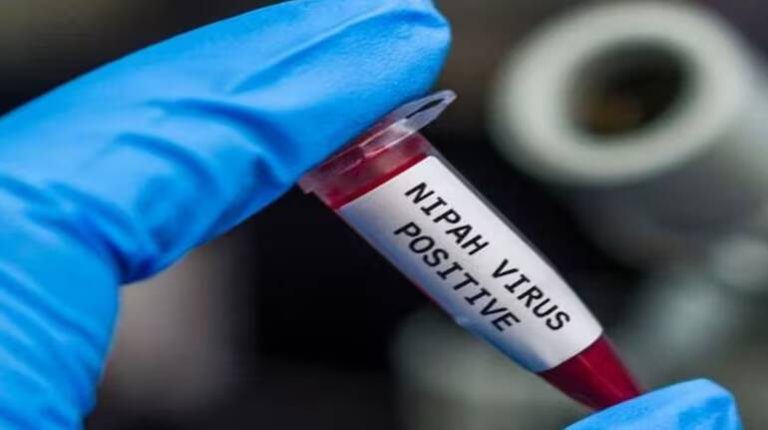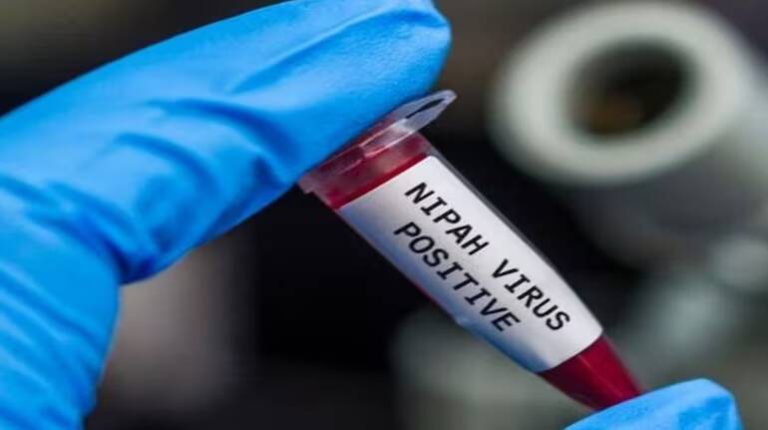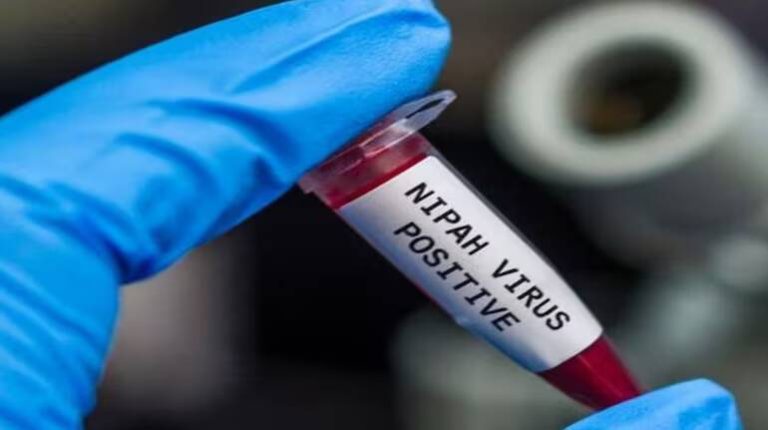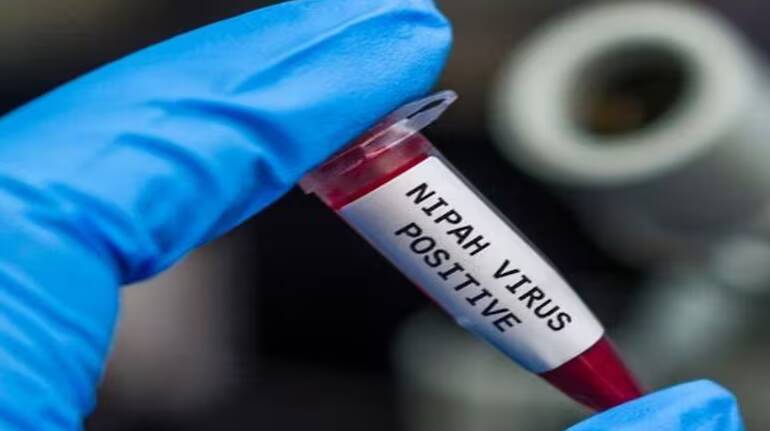
2 Suspected Nipah Virus Cases Detected in Bengal, Both Critical
The Nipah virus, a zoonotic disease that can be transmitted from animals to humans, has once again raised concerns in India. Two suspected cases of the virus were detected in West Bengal’s Barasat, officials said on Monday. The infection was detected in two nurses, one male and one female, who are currently admitted to Barasat Hospital in critical condition. This news has sent shockwaves across the country, and the central government has swiftly responded to the situation by sending a team of experts to contain the outbreak.
According to reports, the two nurses, who were working at a private hospital in Barasat, started showing symptoms of the Nipah virus, including fever, headache, and respiratory problems. They were immediately admitted to the hospital, where their condition is being closely monitored. The hospital authorities have taken all necessary precautions to prevent the spread of the virus, including isolating the patients and providing them with the required medical care.
The Union Health Minister, JP Nadda, has taken immediate action to address the situation. He has sent a National Joint Outbreak Response Team to West Bengal to check the outbreak and provide assistance to the state government. The team, which consists of experts from the National Centre for Disease Control (NCDC) and the All India Institute of Medical Sciences (AIIMS), will work closely with the state health department to contain the outbreak and prevent further spread of the virus.
The Nipah virus is a highly contagious disease that can be transmitted through direct contact with infected animals, such as bats and pigs, or through indirect contact with contaminated food and water. The virus can also be spread from person to person through close contact with an infected individual. The symptoms of the Nipah virus include fever, headache, dizziness, and respiratory problems, which can progress to coma and even death if left untreated.
The detection of the Nipah virus in West Bengal has raised concerns about the preparedness of the healthcare system to handle such outbreaks. The state government has been criticized in the past for its handling of disease outbreaks, including the dengue fever outbreak in 2019. However, the state health department has assured that it is taking all necessary measures to contain the outbreak and prevent further spread of the virus.
The central government has also assured that it is providing all necessary assistance to the state government to contain the outbreak. The Union Health Minister has said that the government is closely monitoring the situation and is taking all necessary precautions to prevent the spread of the virus. The government has also issued guidelines to the state governments to take necessary precautions to prevent the spread of the virus, including increasing surveillance, contact tracing, and providing personal protective equipment to healthcare workers.
The Nipah virus outbreak in West Bengal has once again highlighted the need for a robust healthcare system that can respond quickly and effectively to disease outbreaks. The government needs to take immediate action to strengthen the healthcare system, including increasing funding, improving infrastructure, and providing training to healthcare workers. The government also needs to raise awareness about the Nipah virus and other infectious diseases, including the symptoms, prevention, and treatment.
In conclusion, the detection of the Nipah virus in West Bengal is a cause for concern, and the government needs to take immediate action to contain the outbreak and prevent further spread of the virus. The central government’s decision to send a team of experts to the state is a welcome move, and it is hoped that the situation will be brought under control soon. The government needs to take a proactive approach to prevent the spread of infectious diseases, including the Nipah virus, and ensure that the healthcare system is equipped to respond quickly and effectively to disease outbreaks.
About the Author