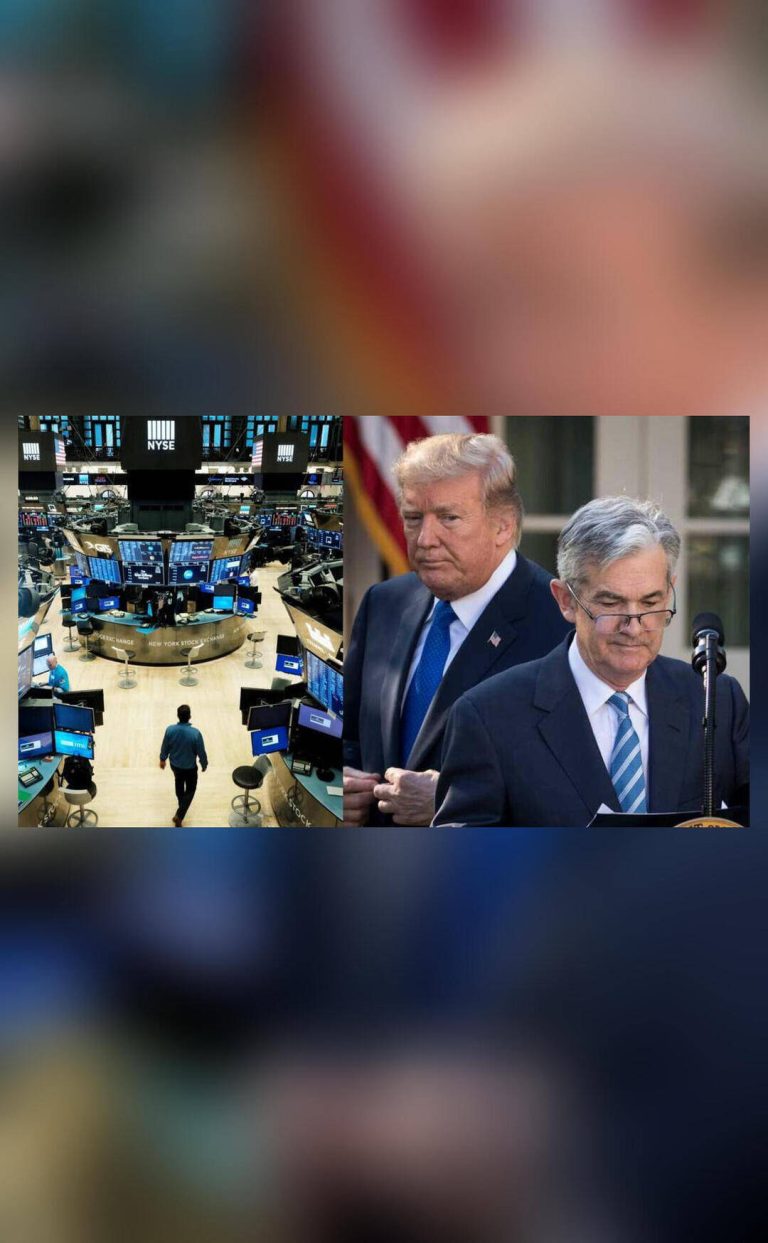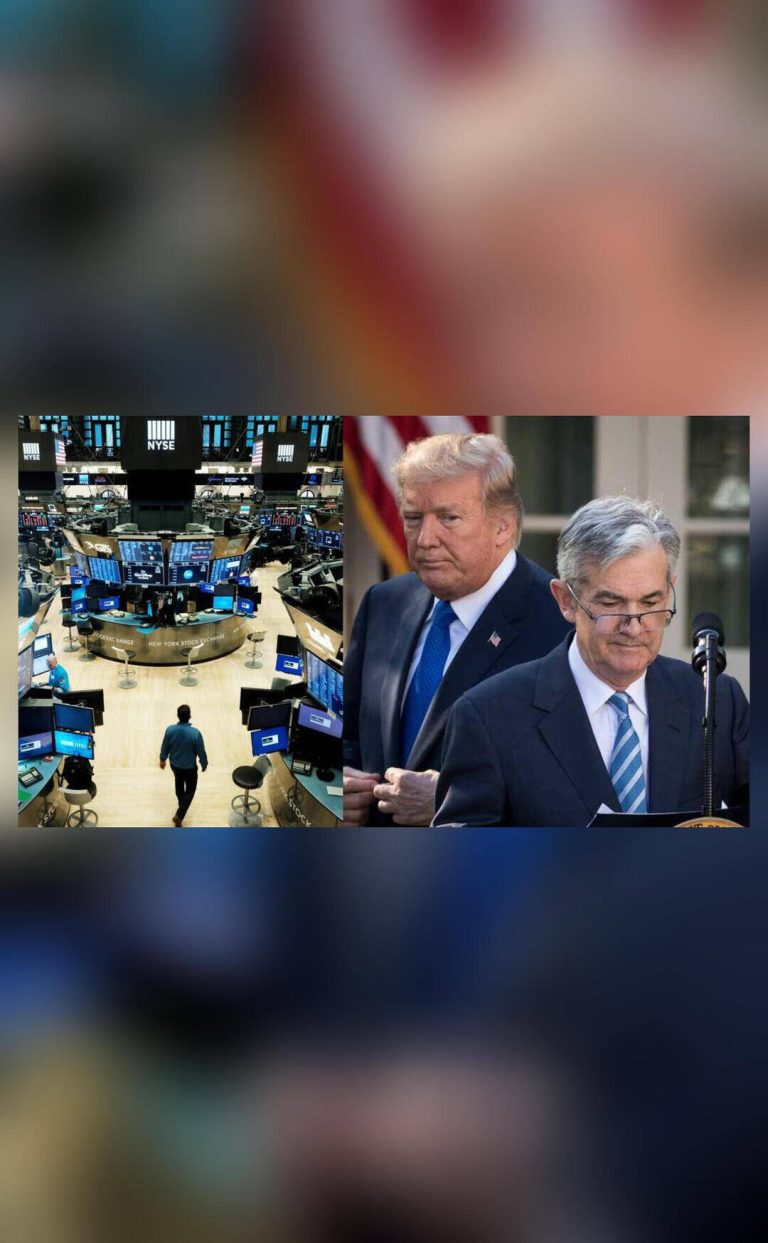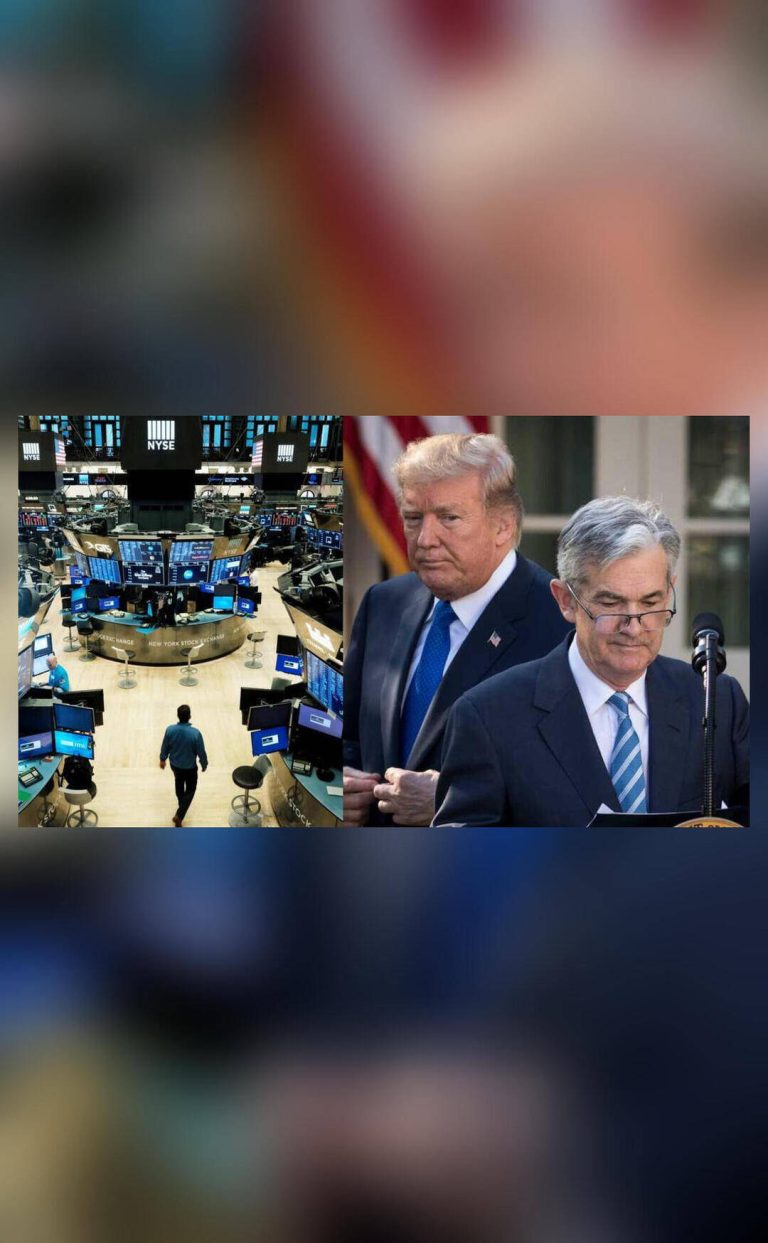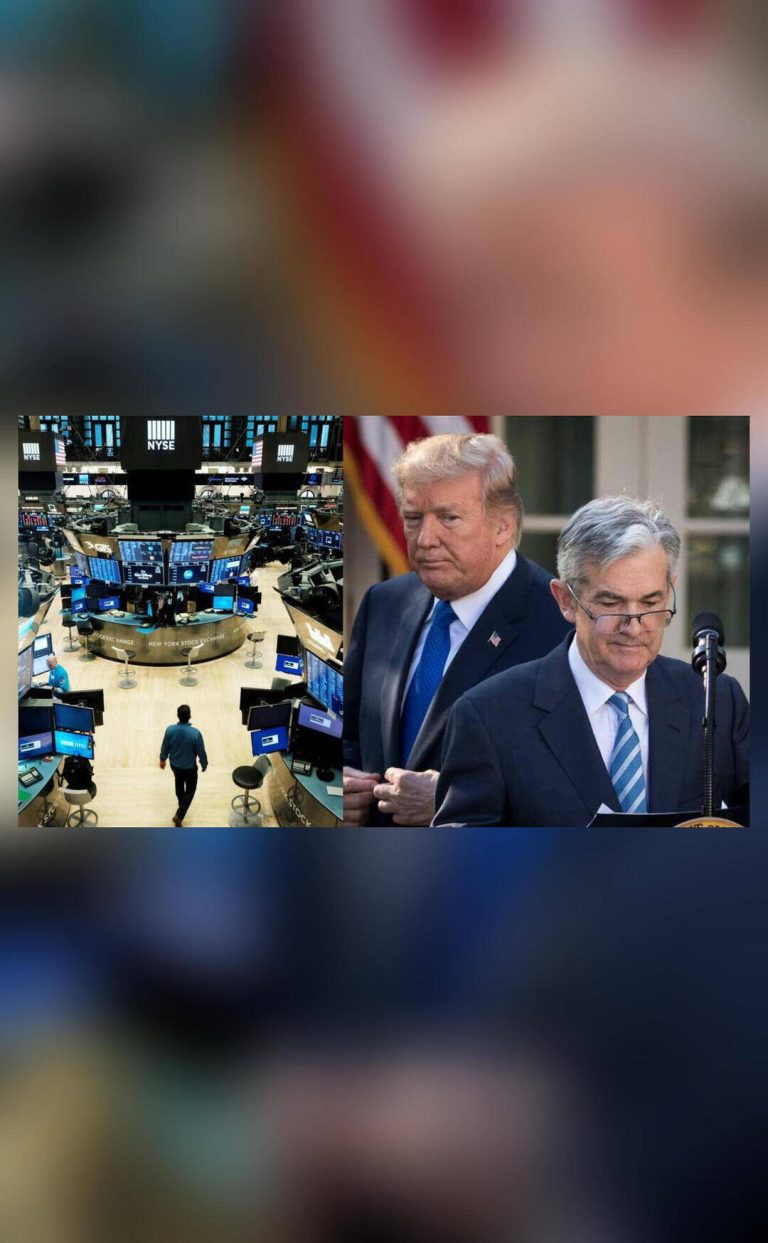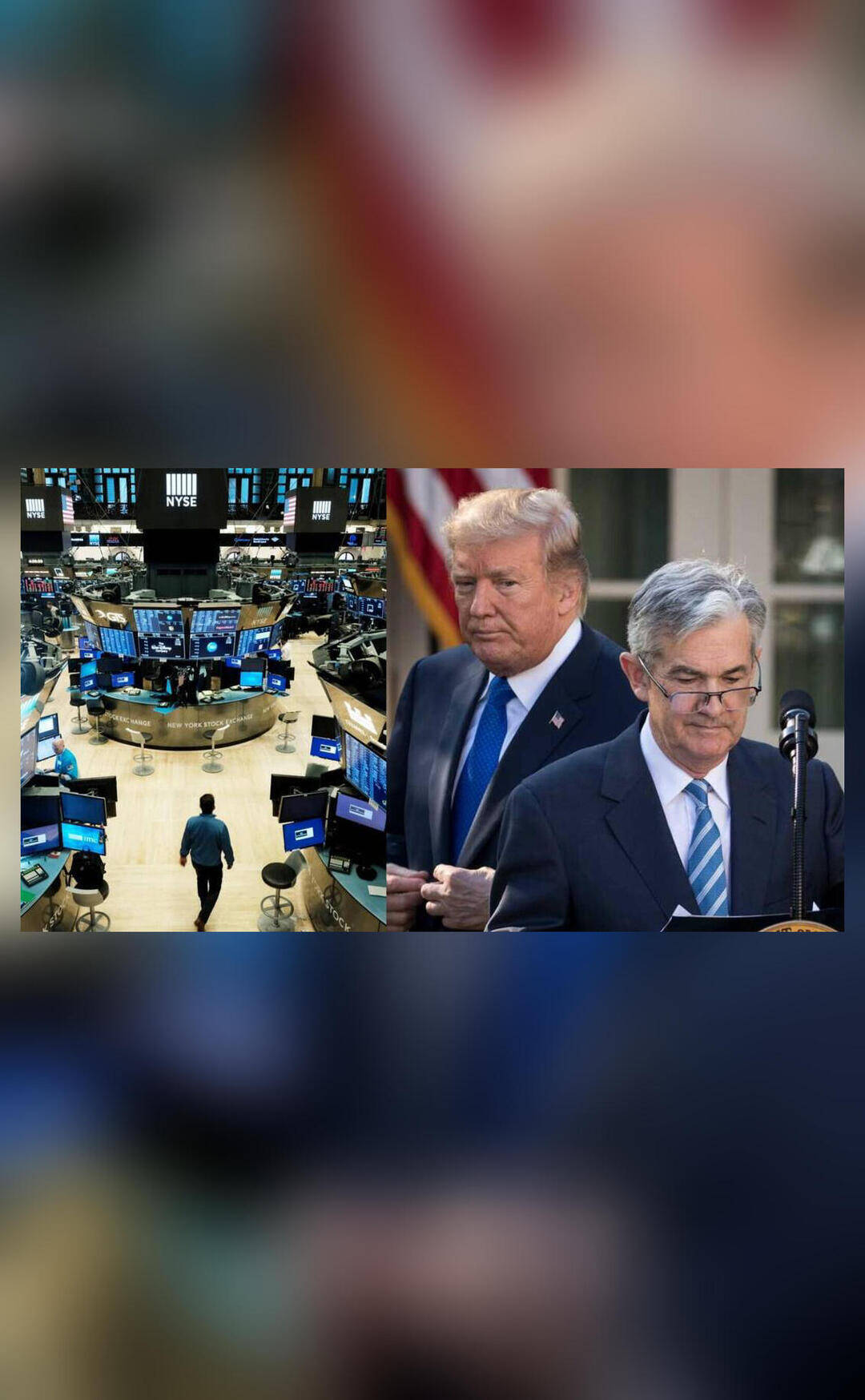
What is ‘Sell America’ trade, resurfaced after probe involving Fed’s Powell?
The term “Sell America” trade has resurfaced in US markets, sparking concerns among investors and economists alike. This phenomenon emerged on Monday after federal prosecutors opened a criminal investigation into Federal Reserve chair Jerome Powell. The investigation has raised questions about the independence of the Federal Reserve, a crucial institution in maintaining the stability of the US economy. In this blog post, we will delve into the concept of the “Sell America” trade, its implications, and what it means for the US economy and investors.
The “Sell America” trade refers to a situation when investors lose confidence in the US economy or its leadership. When this happens, they start selling US stocks, US government bonds, and the US dollar all at the same time. This is a rare occurrence, as investors typically have faith in the US economy and its ability to withstand challenges. However, when doubts arise, investors become risk-averse and seek safer havens for their investments. The “Sell America” trade is a sign of a broader lack of confidence in the US economy, which can have far-reaching consequences.
The investigation into Federal Reserve chair Jerome Powell has sparked fears among investors about the independence of the Federal Reserve. The Federal Reserve is responsible for setting monetary policy, regulating banks, and maintaining the stability of the US financial system. Its independence is crucial in ensuring that monetary policy decisions are made without political interference. However, the investigation has raised concerns that the Federal Reserve’s independence may be compromised, which could lead to unpredictable monetary policy decisions.
The “Sell America” trade has significant implications for the US economy. When investors lose confidence in the US economy, they sell US stocks, which can lead to a decline in stock prices. This, in turn, can reduce consumer spending, as consumers become less confident in the economy. Moreover, a decline in stock prices can also lead to a reduction in business investment, as companies become less confident in their ability to generate profits. The sale of US government bonds can also lead to higher interest rates, making borrowing more expensive for consumers and businesses.
The “Sell America” trade can also have a significant impact on the value of the US dollar. When investors sell the US dollar, its value declines, making imports more expensive for US consumers. This can lead to higher inflation, as the cost of imported goods increases. A decline in the value of the US dollar can also make US exports more competitive, which can boost economic growth. However, a sharp decline in the value of the US dollar can also lead to instability in the global financial system, as it can disrupt trade and investment flows.
The “Sell America” trade is not a new phenomenon. It has occurred in the past, particularly during times of economic uncertainty or when there have been concerns about the leadership of the US economy. For example, during the 2008 financial crisis, investors lost confidence in the US economy, leading to a sharp decline in stock prices, a sell-off in US government bonds, and a decline in the value of the US dollar. Similarly, during the 2020 COVID-19 pandemic, investors became risk-averse, leading to a decline in stock prices and a sell-off in US government bonds.
In conclusion, the “Sell America” trade is a rare phenomenon that occurs when investors lose confidence in the US economy or its leadership. The investigation into Federal Reserve chair Jerome Powell has sparked fears among investors about the independence of the Federal Reserve, leading to a resurgence of the “Sell America” trade. The implications of this trade are significant, as it can lead to a decline in stock prices, higher interest rates, and a decline in the value of the US dollar. As the investigation into Powell continues, investors will be closely watching the developments, and the US economy will be under scrutiny.
The “Sell America” trade is a reminder that investor confidence is crucial in maintaining the stability of the US economy. When investors lose confidence, it can have far-reaching consequences, including a decline in economic growth, higher inflation, and instability in the global financial system. Therefore, it is essential for policymakers to maintain the independence of the Federal Reserve and ensure that monetary policy decisions are made without political interference.
As the US economy navigates these challenging times, investors will be closely watching the developments, and the “Sell America” trade will be a key indicator of investor sentiment. The investigation into Powell has sparked fears among investors, and it remains to be seen how the situation will unfold. One thing is certain, however: the “Sell America” trade is a phenomenon that will be closely watched by investors, economists, and policymakers in the coming days and weeks.
For more information on this topic, please visit: https://www.financialexpress.com/world-news/us-news/what-is-sell-america-trade-powell-probe-sparks-investor-fears-over-fed-reserve-independence/4105187/lite/
About the Author