What is ‘Sell America’ trade, resurfaced after probe involving Fed’s Powell?
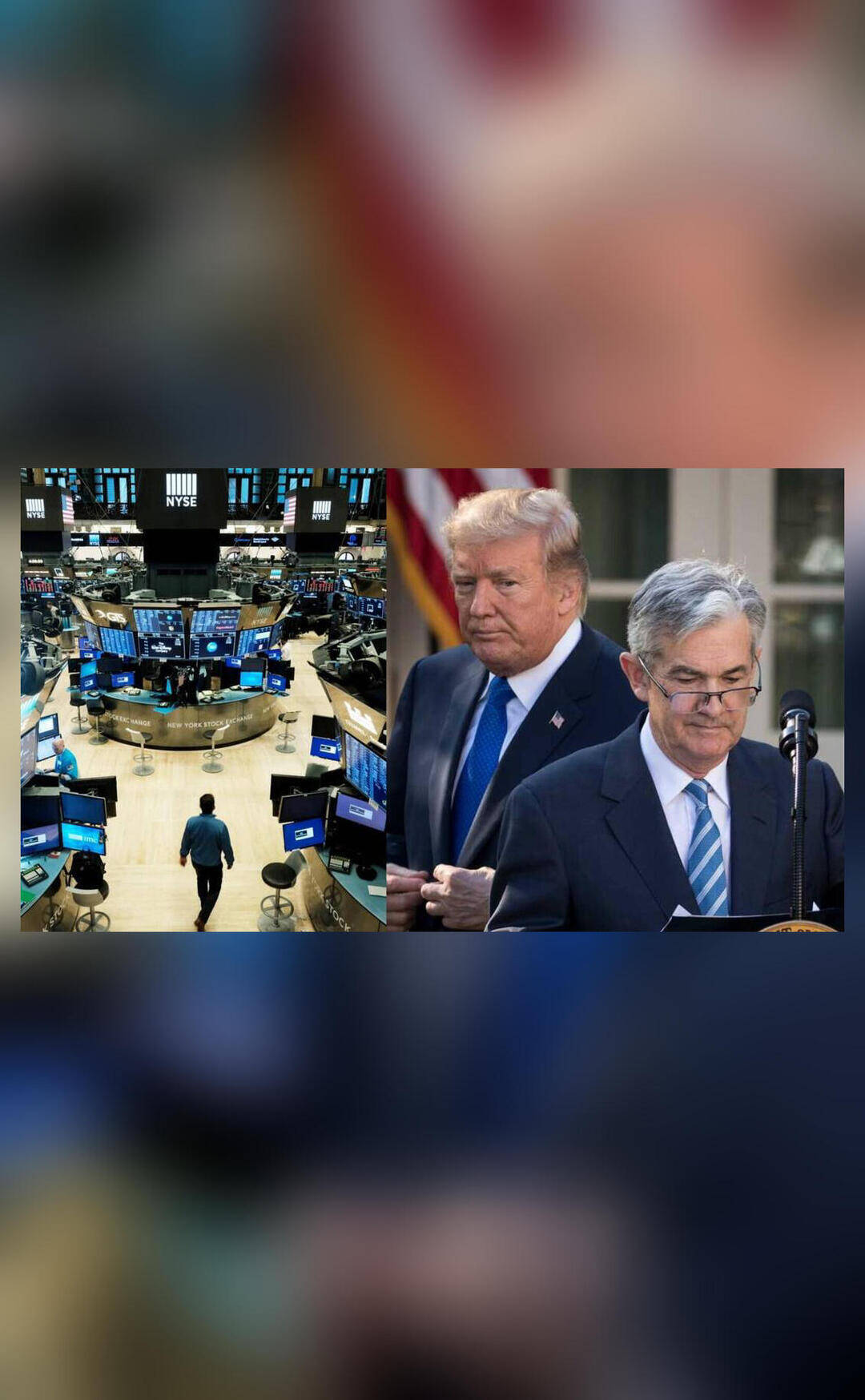
The US markets witnessed a significant shift on Monday as the ‘Sell America’ trade emerged, following the announcement of a federal probe into Federal Reserve Chair Jerome Powell. This development has sparked concerns among investors, leading to a loss of confidence in the US economy and its leadership. But what exactly is the ‘Sell America’ trade, and how does it impact the US markets?
The term ‘Sell America’ trade refers to a situation where investors simultaneously sell US stocks, US government bonds, and the US dollar. This phenomenon occurs when investors lose faith in the US economy or its leadership, leading to a decline in investor sentiment. As a result, they start to withdraw their investments from the US markets, causing a ripple effect across the globe.
The ‘Sell America’ trade is often seen as a sign of a broader loss of confidence in the US economy. When investors start to question the stability and growth prospects of the US economy, they begin to look for alternative investment opportunities in other countries. This can lead to a decline in the value of the US dollar, a drop in US stock prices, and a decrease in demand for US government bonds.
The current probe into Federal Reserve Chair Jerome Powell has raised concerns about the independence of the Federal Reserve, which is a crucial aspect of the US economic system. The Federal Reserve is responsible for setting monetary policy, including interest rates, and its independence is essential for maintaining the stability of the US economy. Any perceived interference or influence on the Federal Reserve’s decision-making process can erode investor confidence and lead to a ‘Sell America’ trade.
The investigation into Powell’s actions has sparked fears among investors that the Federal Reserve’s independence may be compromised. This has led to a decline in investor sentiment, causing them to sell their US assets and look for alternative investment opportunities. The ‘Sell America’ trade is a reflection of this declining confidence, as investors become increasingly risk-averse and start to withdraw their investments from the US markets.
The impact of the ‘Sell America’ trade can be far-reaching, with consequences for the US economy, the global economy, and investors alike. A decline in the value of the US dollar can make imports more expensive, leading to higher inflation and potentially affecting the purchasing power of consumers. A drop in US stock prices can erode investor wealth, leading to a decline in consumer spending and economic growth. Furthermore, a decrease in demand for US government bonds can lead to higher borrowing costs for the US government, making it more expensive to finance its debt.
The ‘Sell America’ trade can also have significant implications for the global economy. As investors withdraw their investments from the US markets, they may look for alternative investment opportunities in other countries. This can lead to an increase in capital flows to emerging markets, potentially causing their currencies to appreciate and their stock markets to rise. However, it can also lead to a decline in investor sentiment globally, as investors become increasingly risk-averse and start to withdraw their investments from other markets as well.
In conclusion, the ‘Sell America’ trade is a significant development in the US markets, reflecting a decline in investor confidence in the US economy and its leadership. The current probe into Federal Reserve Chair Jerome Powell has sparked concerns about the independence of the Federal Reserve, leading to a loss of faith in the US economic system. As investors start to sell their US assets, the ‘Sell America’ trade can have far-reaching consequences for the US economy, the global economy, and investors alike.
It is essential for investors to stay informed and up-to-date with the latest developments in the US markets and the global economy. As the situation continues to unfold, it is crucial to monitor the impact of the ‘Sell America’ trade and its implications for the US economy and the global economy.
About the Author