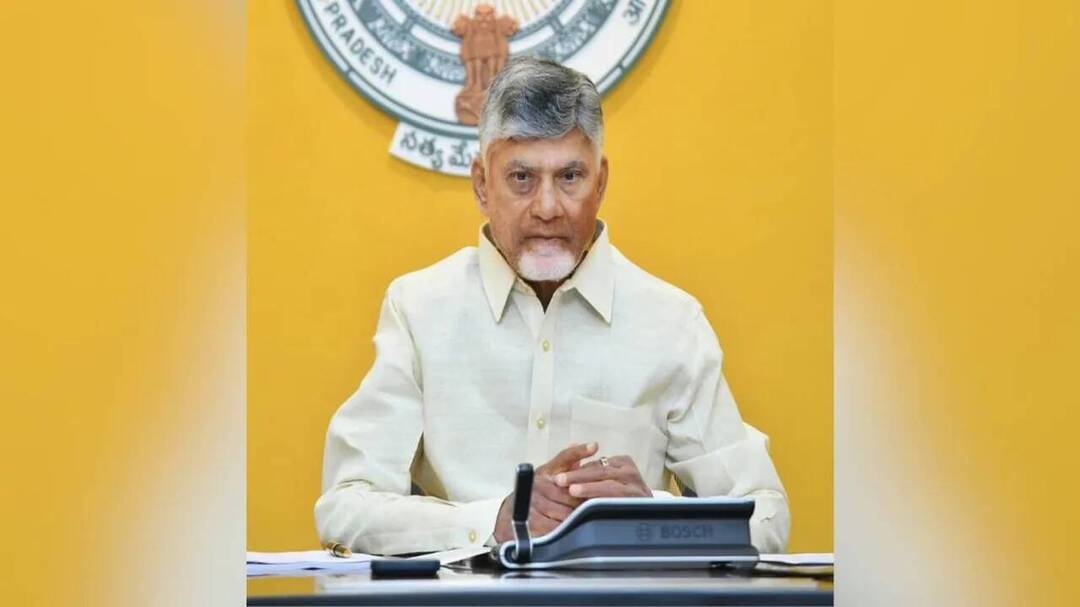
TDP in Andhra Pradesh approves allotment of 466 acres to SSEL
The Telugu Desam Party (TDP)-led government in Andhra Pradesh has made a significant decision, approving the allotment of 466 acres in the Kadapa district to Shirdi Sai Electricals Limited (SSEL) for setting up a ₹4,914 crore greenfield manufacturing facility. This move has sparked controversy and raised eyebrows, as it marks a drastic shift in the TDP’s stance towards SSEL. While in opposition, the TDP had labelled SSEL as a “benami” (front) company for the former Chief Minister, YS Jagan Mohan Reddy, who is now the leader of the opposition in the state.
The decision to grant the land to SSEL has been seen as a U-turn by the TDP, which had earlier accused the company of being a front for the YSR Congress Party (YSRCP). The TDP had alleged that SSEL was set up to facilitate corrupt dealings and money laundering, and had even demanded an investigation into the company’s activities. However, with the TDP now in power, the party seems to have changed its stance, and has instead chosen to extend support to the company.
The proposed manufacturing facility, which is expected to be set up in the Kadapa district, will be a significant investment in the state, and is likely to generate employment opportunities for thousands of people. The facility will be used to manufacture electrical equipment, including transformers, switchgears, and other related products. SSEL has stated that the facility will be designed to meet international standards, and will be equipped with state-of-the-art technology.
The allotment of land to SSEL has been made possible through a government order, which was issued recently. The order states that the land will be allotted to SSEL for a period of 30 years, and that the company will be required to pay a lease rent of ₹10 lakh per acre per year. The company has also been given a concession on the lease rent, with the government agreeing to waive off 50% of the rent for the first five years.
The decision to grant the land to SSEL has been welcomed by the company, which has stated that it is committed to setting up the manufacturing facility in the state. SSEL has also stated that it will ensure that the facility is completed within the stipulated timeframe, and that it will generate employment opportunities for thousands of people in the state.
However, the decision has not been without its critics. The opposition parties in the state, including the YSRCP, have accused the TDP of making a U-turn on its earlier stance, and of extending undue favours to SSEL. The YSRCP has stated that the decision to grant the land to SSEL is a clear example of the TDP’s hypocrisy, and has demanded that the government explain its decision to extend support to the company.
The controversy surrounding SSEL is not new, and the company has been at the centre of a long-standing dispute between the TDP and the YSRCP. The TDP had earlier accused SSEL of being a front company for the YSRCP, and had demanded an investigation into the company’s activities. However, with the TDP now in power, the party seems to have changed its stance, and has instead chosen to extend support to the company.
The decision to grant the land to SSEL has also raised questions about the transparency and accountability of the government’s decision-making process. The opposition parties have accused the government of not following the proper procedures for allotting land to the company, and of not ensuring that the company meets the necessary criteria for setting up a manufacturing facility in the state.
In conclusion, the decision to grant 466 acres of land to SSEL in the Kadapa district is a significant development, and marks a drastic shift in the TDP’s stance towards the company. While the decision is likely to generate employment opportunities and attract investment to the state, it has also raised questions about the transparency and accountability of the government’s decision-making process. As the controversy surrounding SSEL continues to unfold, it remains to be seen how the government will respond to the criticism, and how the company will proceed with its plans to set up a manufacturing facility in the state.
About the Author