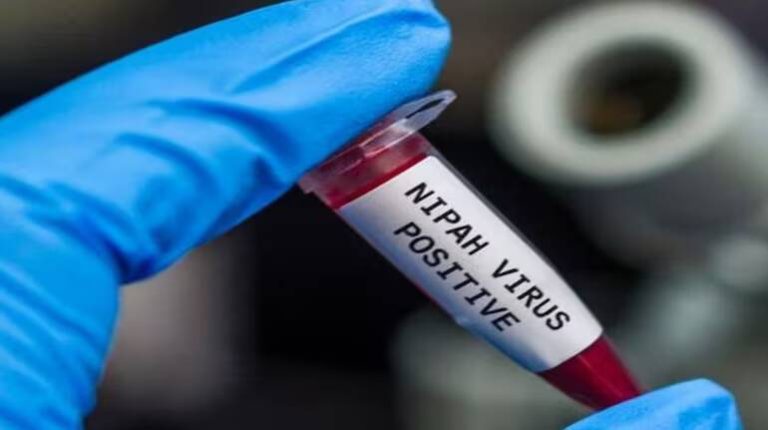
2 Suspected Nipah Virus Cases Detected in Bengal, Both Critical
In a disturbing turn of events, two suspected cases of Nipah virus have been detected in West Bengal’s Barasat, sending alarm bells ringing across the state and the country. According to officials, the two individuals, both nurses, are currently admitted to Barasat Hospital in critical condition. The news has sparked widespread concern, and the Union Health Minister, JP Nadda, has promptly responded by dispatching a National Joint Outbreak Response Team to the affected area.
The Nipah virus, a zoonotic disease that can be transmitted from animals to humans, has been responsible for several outbreaks in the past, resulting in significant loss of life. The virus is known to cause severe respiratory and brain symptoms, and its transmission is often linked to close contact with infected animals, such as bats, or contaminated food and water.
The two suspected cases, a male and a female nurse, were detected with symptoms of the Nipah virus, which include fever, headache, and respiratory problems. The fact that both individuals are nurses and are currently in critical condition has raised concerns about the potential for further transmission, especially in a healthcare setting.
The Union Health Minister, JP Nadda, has taken swift action in response to the suspected outbreak, sending a National Joint Outbreak Response Team to Barasat to investigate and provide assistance. The team, comprising experts from the National Centre for Disease Control (NCDC) and other organizations, will work closely with state and local authorities to contain the outbreak and prevent further transmission.
The response team will conduct thorough investigations, including contact tracing, to identify potential sources of the infection and prevent further spread. They will also provide guidance and support to local healthcare authorities, ensuring that all necessary measures are taken to contain the outbreak and provide adequate care to the affected individuals.
The detection of suspected Nipah virus cases in West Bengal has significant implications for public health, and it is essential that all necessary measures are taken to prevent further transmission. The state government, in collaboration with the central government, must ensure that all healthcare facilities, including hospitals and clinics, are equipped to handle potential cases and prevent the spread of the virus.
The general public can also play a crucial role in preventing the spread of the Nipah virus by taking simple precautions, such as avoiding close contact with infected animals, washing hands frequently, and avoiding consumption of contaminated food and water. It is also essential to report any suspicious symptoms or cases to the authorities promptly, enabling timely intervention and containment.
In conclusion, the detection of two suspected Nipah virus cases in West Bengal’s Barasat is a cause for concern, and it is essential that all necessary measures are taken to prevent further transmission. The prompt response by the Union Health Minister and the dispatch of a National Joint Outbreak Response Team are welcome steps, and it is hoped that their efforts will help contain the outbreak and prevent any further loss of life.
As the situation unfolds, it is crucial that the public remains vigilant and takes all necessary precautions to prevent the spread of the virus. The government, healthcare authorities, and the general public must work together to combat the outbreak and ensure that the Nipah virus does not spread further.
About the Author