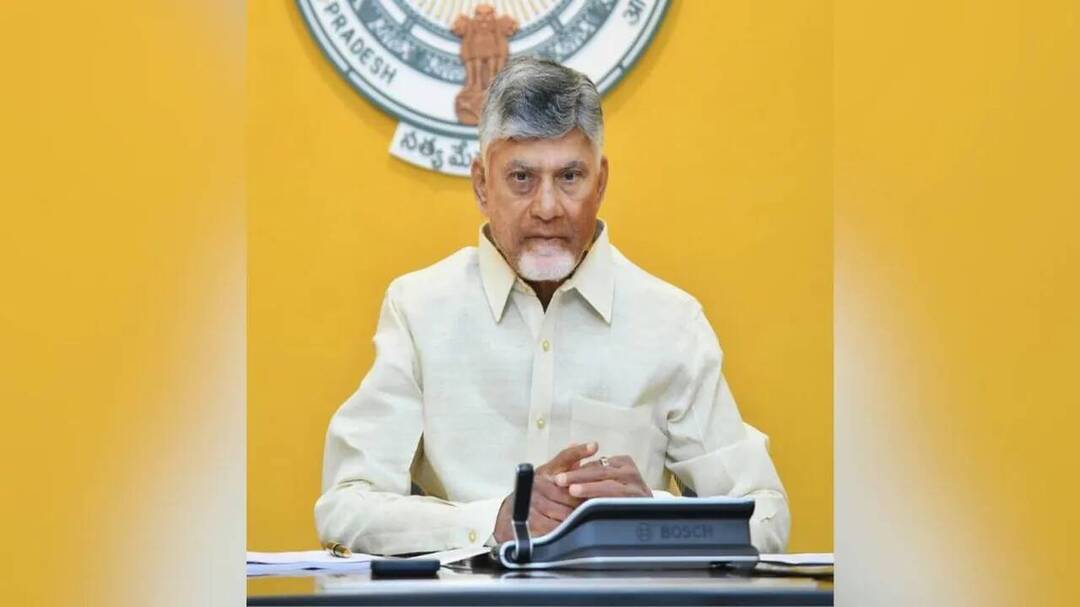
TDP in Andhra Pradesh approves allotment of 466 acres to SSEL
In a surprising turn of events, the Telugu Desam Party (TDP)-led government in Andhra Pradesh has approved the allotment of 466 acres in the Kadapa district to Shirdi Sai Electricals Limited (SSEL) for setting up a ₹4,914 crore greenfield manufacturing facility. This decision has raised eyebrows, as the TDP, while in opposition, had labelled SSEL as a “benami” (front) company for former Chief Minister YS Rajasekhara Reddy.
The TDP’s change of heart has sparked controversy, with many questioning the party’s motives behind this sudden U-turn. The decision to grant the land to SSEL is seen as a significant departure from the TDP’s earlier stance, where they had accused the company of being a front for the former Chief Minister’s family.
The proposed manufacturing facility, which is expected to be set up in the Kadapa district, will be one of the largest in the state. The project is anticipated to generate significant employment opportunities and boost the local economy. However, the TDP’s decision to allot land to SSEL has raised concerns about the transparency and accountability of the government’s decision-making process.
While in opposition, the TDP had been vocal about their opposition to SSEL, alleging that the company was a benami firm set up to benefit the family of the former Chief Minister. The party had also accused the company of being involved in various irregularities and scandals. However, now that they are in power, the TDP seems to have changed its stance, and is actively supporting the company’s plans to set up a manufacturing facility in the state.
The TDP’s U-turn on SSEL has been met with criticism from various quarters, with many accusing the party of hypocrisy. The opposition parties have been quick to pounce on the issue, accusing the TDP of double standards and questioning the party’s commitment to transparency and accountability.
The decision to allot land to SSEL is also seen as a significant departure from the TDP’s earlier promises to promote transparency and accountability in governance. The party had come to power promising to root out corruption and promote good governance, but the decision to grant land to SSEL has raised doubts about the party’s commitment to these ideals.
The TDP’s decision to allot land to SSEL has also sparked concerns about the potential environmental impact of the proposed manufacturing facility. The facility is expected to be set up in an area that is sensitive from an environmental perspective, and there are concerns that the project could harm the local ecosystem.
In spite of the controversy surrounding the project, the TDP government has maintained that the decision to allot land to SSEL is in the best interests of the state. The government has argued that the project will generate significant employment opportunities and boost the local economy, and that the company has committed to following all necessary environmental and social norms.
However, the opposition parties have been quick to point out that the TDP government’s decision to allot land to SSEL is not in the best interests of the state. They have argued that the project will harm the local environment and will benefit only a select few, while the common people will be left to bear the costs.
As the controversy surrounding the TDP’s decision to allot land to SSEL continues to simmer, it remains to be seen how the project will ultimately play out. While the TDP government has maintained that the project is in the best interests of the state, the opposition parties have been quick to point out the potential risks and downsides.
In conclusion, the TDP’s decision to allot land to SSEL is a significant development that has raised concerns about the transparency and accountability of the government’s decision-making process. While the project is expected to generate significant employment opportunities and boost the local economy, it is also seen as a potential environmental hazard. As the controversy surrounding the project continues to unfold, it remains to be seen how the TDP government will ultimately justify its decision to grant land to SSEL.
About the Author