What is ‘Sell America’ trade, resurfaced after probe involving Fed’s Powell?
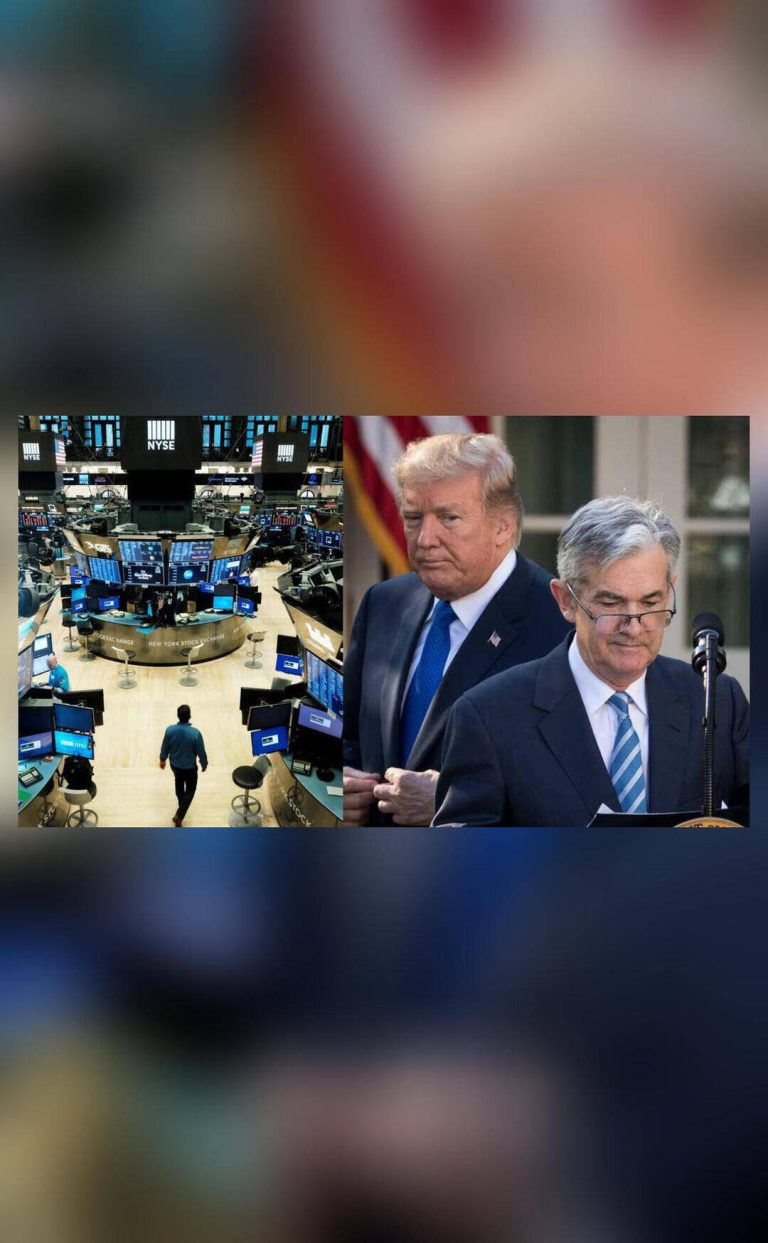
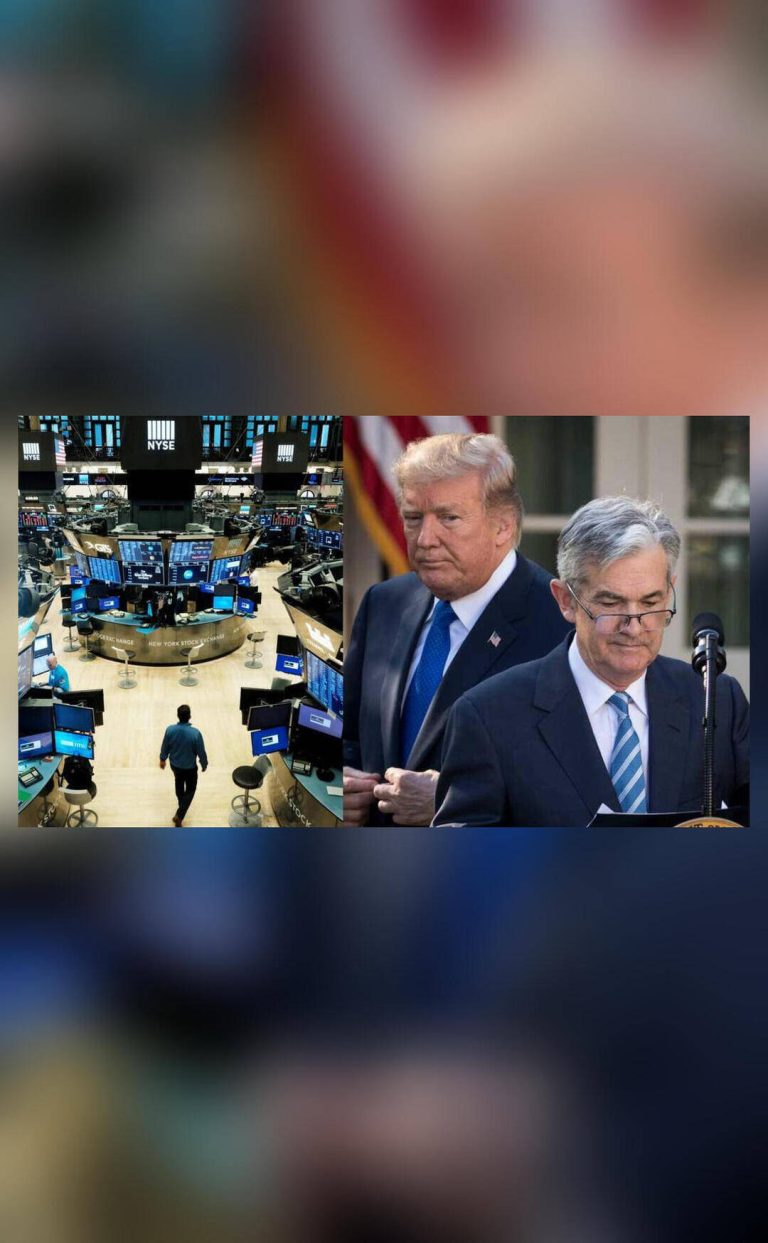
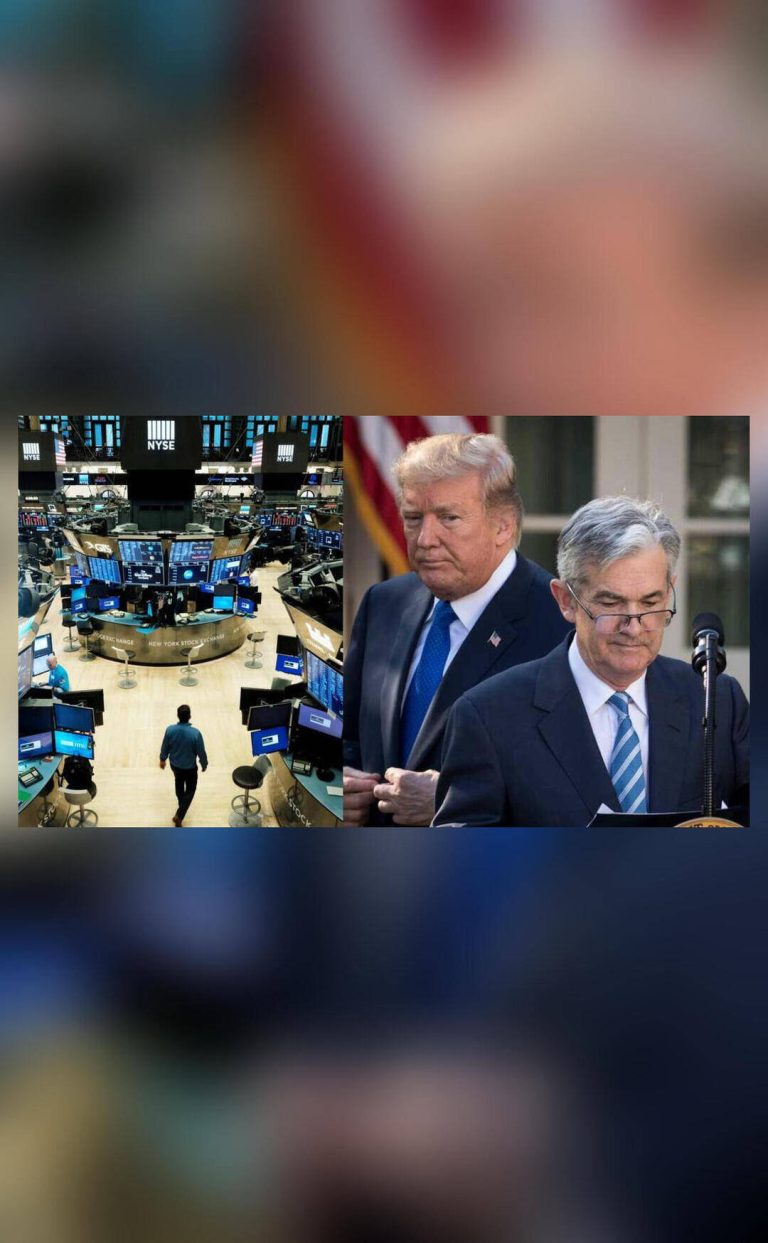
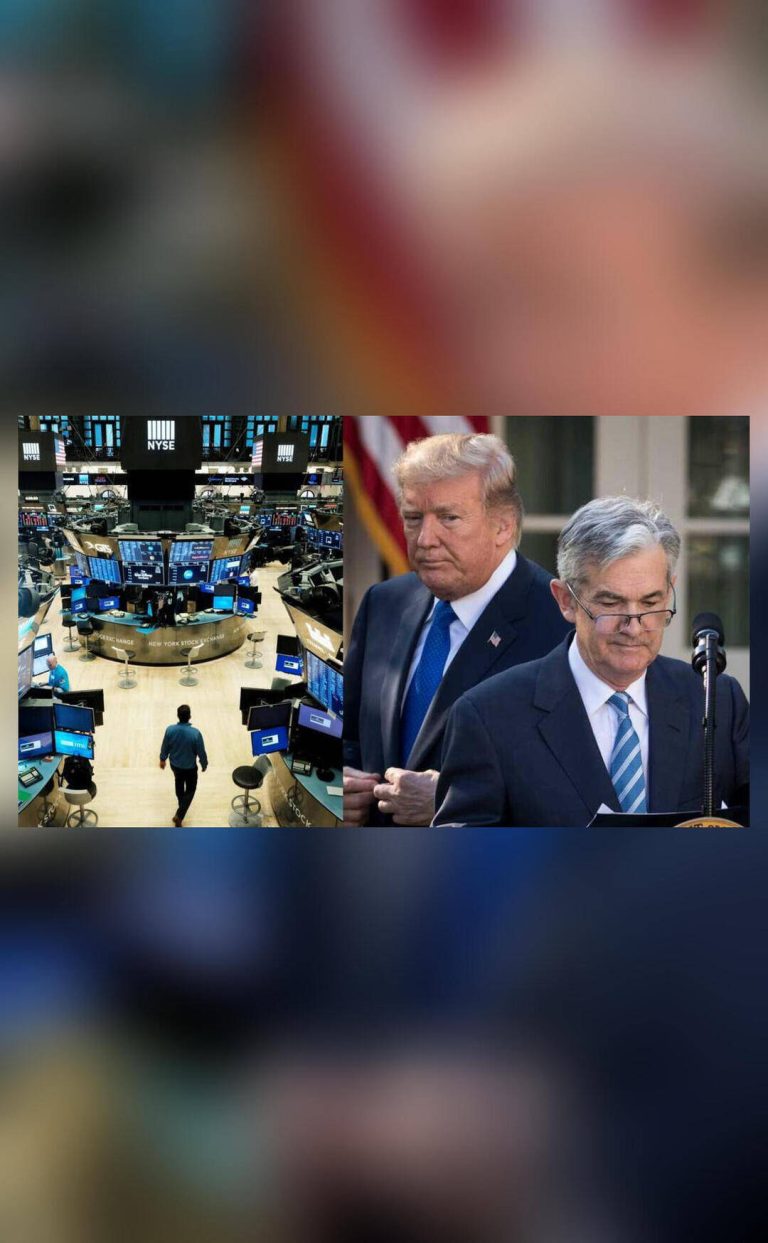
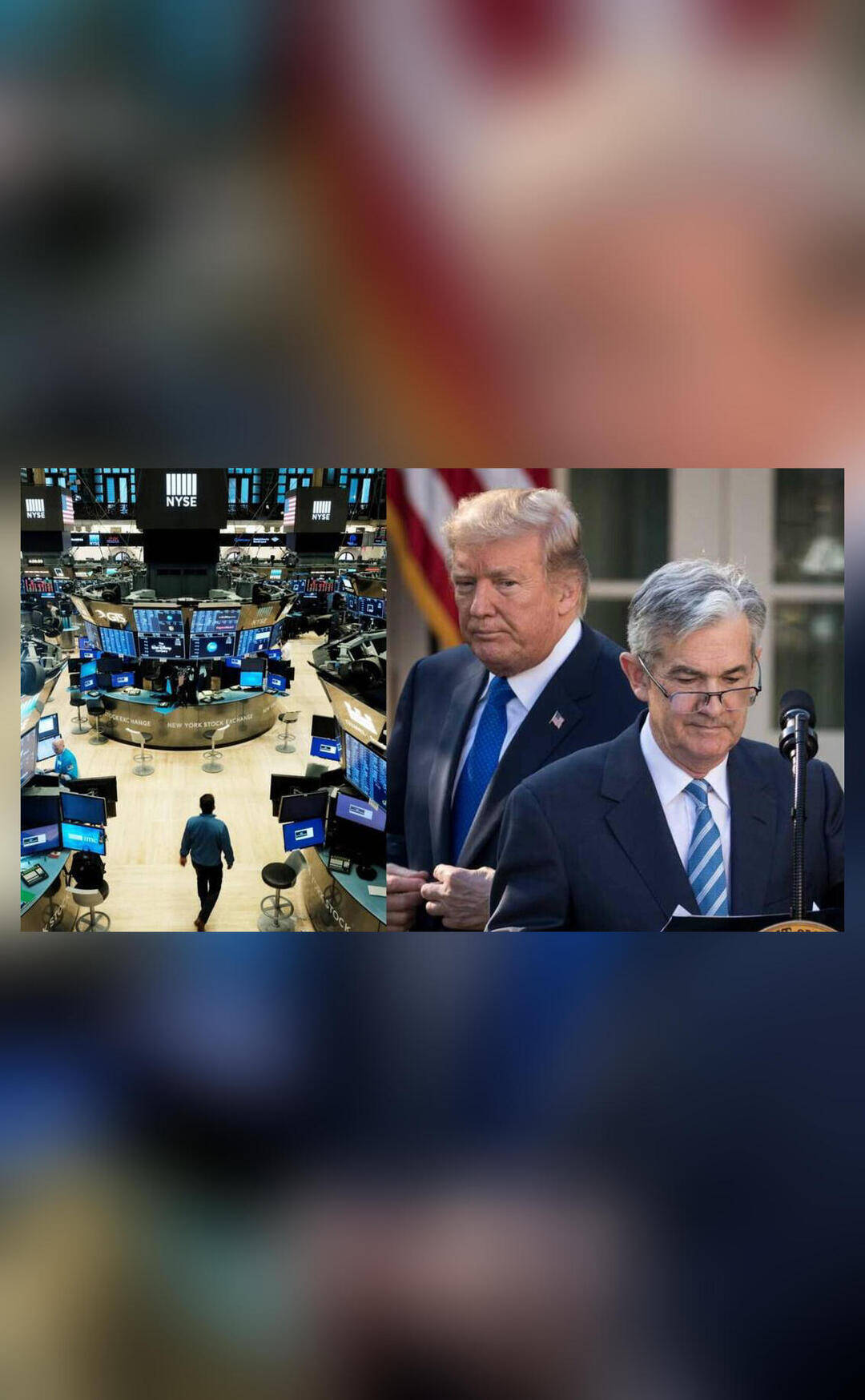
The US financial markets were abuzz on Monday as the ‘Sell America’ trade emerged, sending shockwaves through the economy. This phenomenon occurred after federal prosecutors launched a criminal investigation into Federal Reserve chair Jerome Powell, sparking fears among investors about the independence of the Fed. But what exactly is the ‘Sell America’ trade, and how does it impact the US economy?
The term ‘Sell America’ trade refers to a situation when investors lose confidence in the US economy or its leadership, leading them to sell off their holdings in US stocks, government bonds, and the US dollar simultaneously. This can have far-reaching consequences, including a decline in the value of the US dollar, a rise in bond yields, and a slump in the stock market. The ‘Sell America’ trade is often seen as a vote of no confidence in the US economy, and it can have significant implications for investors, policymakers, and the broader economy.
The current probe into Fed chair Jerome Powell has raised concerns about the independence of the Federal Reserve, which is a critical institution in maintaining the stability of the US financial system. The Fed’s independence is essential in ensuring that monetary policy decisions are made without political interference, and any perceived erosion of this independence can have significant consequences for the economy. The investigation into Powell has sparked fears that the Fed’s independence may be compromised, leading investors to lose confidence in the US economy and triggering the ‘Sell America’ trade.
The ‘Sell America’ trade is not a new phenomenon, and it has occurred several times in the past when investors have lost confidence in the US economy or its leadership. For example, during the 2008 financial crisis, the ‘Sell America’ trade emerged as investors dumped their holdings in US stocks, bonds, and the US dollar, leading to a sharp decline in the value of the US currency and a surge in bond yields. Similarly, during the 2011 debt ceiling crisis, the ‘Sell America’ trade resurfaced, leading to a decline in the value of the US dollar and a rise in bond yields.
The ‘Sell America’ trade can have significant implications for investors, as it can lead to a decline in the value of their holdings in US stocks, bonds, and the US dollar. Investors who are exposed to the US market may see their portfolios decline in value, and those who are holding US dollar-denominated assets may see their purchasing power decline. Furthermore, the ‘Sell America’ trade can also have implications for policymakers, as it can limit their ability to implement monetary and fiscal policies to support the economy.
The current ‘Sell America’ trade has been sparked by concerns about the independence of the Fed, and it is essential for policymakers to address these concerns and restore investor confidence in the US economy. The Fed’s independence is critical in maintaining the stability of the US financial system, and any perceived erosion of this independence can have significant consequences for the economy. Policymakers must ensure that the Fed is able to operate independently, without political interference, and that its decisions are guided solely by its dual mandate of maximum employment and price stability.
In conclusion, the ‘Sell America’ trade is a phenomenon that occurs when investors lose confidence in the US economy or its leadership, leading them to sell off their holdings in US stocks, government bonds, and the US dollar simultaneously. The current probe into Fed chair Jerome Powell has sparked concerns about the independence of the Fed, leading to the emergence of the ‘Sell America’ trade. It is essential for policymakers to address these concerns and restore investor confidence in the US economy, ensuring that the Fed is able to operate independently and that its decisions are guided solely by its dual mandate.
The ‘Sell America’ trade can have significant implications for investors, policymakers, and the broader economy, and it is essential to monitor the situation closely. Investors must be aware of the risks associated with the ‘Sell America’ trade and take steps to diversify their portfolios and mitigate their exposure to the US market. Policymakers must ensure that the Fed is able to operate independently, without political interference, and that its decisions are guided solely by its dual mandate. By addressing these concerns and restoring investor confidence in the US economy, policymakers can help to mitigate the impact of the ‘Sell America’ trade and ensure the stability of the US financial system.
The ‘Sell America’ trade is a complex phenomenon that requires careful consideration and analysis. It is essential to understand the underlying causes of the trade and its implications for investors, policymakers, and the broader economy. By staying informed and up-to-date on the latest developments, investors and policymakers can make informed decisions and navigate the challenges posed by the ‘Sell America’ trade.
In the current environment, it is essential to monitor the situation closely and be prepared for any eventuality. The ‘Sell America’ trade can be unpredictable, and its impact can be far-reaching. Investors must be aware of the risks associated with the trade and take steps to mitigate their exposure to the US market. Policymakers must ensure that the Fed is able to operate independently, without political interference, and that its decisions are guided solely by its dual mandate.
In conclusion, the ‘Sell America’ trade is a significant phenomenon that requires careful consideration and analysis. It is essential to understand the underlying causes of the trade and its implications for investors, policymakers, and the broader economy. By staying informed and up-to-date on the latest developments, investors and policymakers can make informed decisions and navigate the challenges posed by the ‘Sell America’ trade.
About the Author