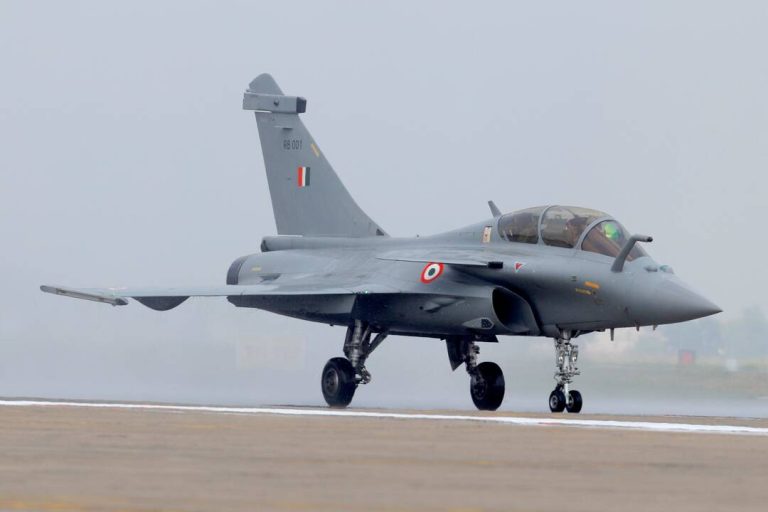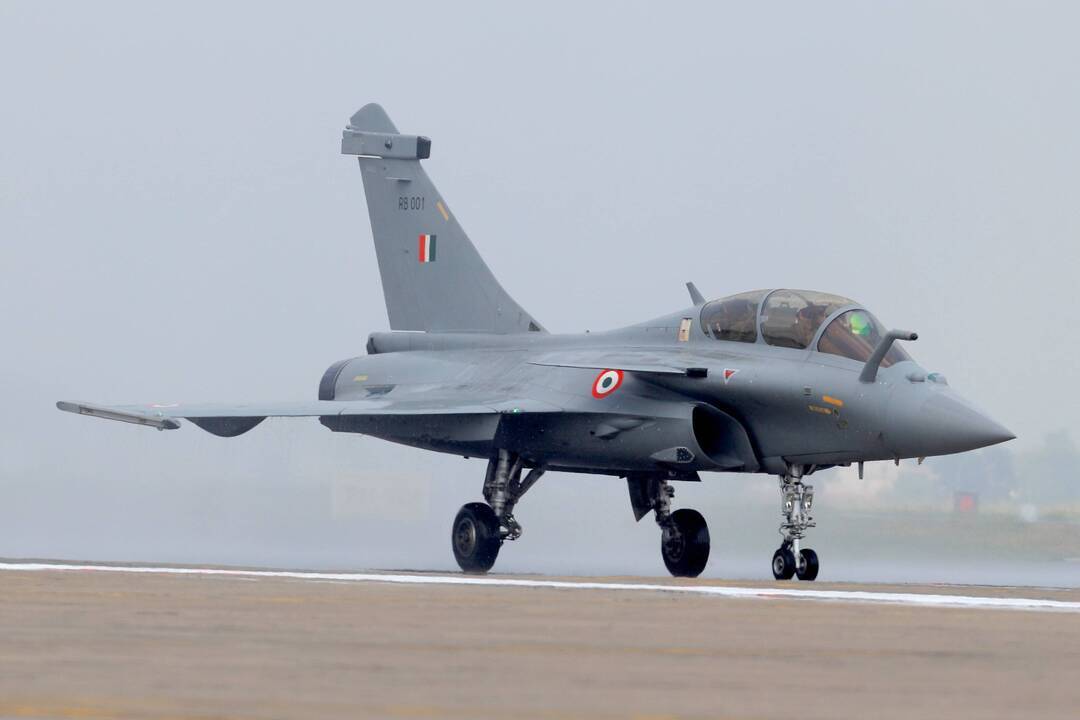
Rafale maker invests ₹1,800 cr in Harmattan AI to develop AI-powered air combat systems
The world of aerospace and defense is witnessing a significant shift with the increasing adoption of artificial intelligence (AI) and machine learning (ML) technologies. In a recent development, French aerospace major Dassault Aviation, the manufacturer of the renowned Rafale fighter jets, has announced a substantial investment in startup Harmattan AI. The funding round, valued at $200 million (over ₹1,800 crore), is aimed at developing AI-powered air combat systems, including drones, and will support the development of AI capabilities in Dassault Aviation’s future air combat systems.
This collaboration between Dassault Aviation and Harmattan AI is a strategic move to leverage the potential of AI in enhancing the capabilities of air combat systems. The partnership will enable Dassault Aviation to integrate AI-powered technologies into its future aircraft, including the upcoming Rafale F5, a new version of the Rafale fighter jet. The Rafale F5 is expected to feature advanced technologies, including AI-powered systems, to enhance its combat capabilities and performance.
The investment in Harmattan AI is a testament to Dassault Aviation’s commitment to innovation and its efforts to stay ahead in the rapidly evolving aerospace and defense landscape. The company has been at the forefront of developing advanced aircraft, including the Rafale, which has been a benchmark for excellence in the field of military aviation. With the integration of AI-powered systems, Dassault Aviation aims to further enhance the capabilities of its aircraft, making them more efficient, effective, and lethal in combat situations.
The development of AI-powered air combat systems is a significant milestone in the evolution of military aviation. AI-powered systems can analyze vast amounts of data, make decisions in real-time, and perform complex tasks with precision and accuracy. These capabilities can be leveraged to enhance the performance of air combat systems, including drones, which are increasingly being used in military operations.
The collaboration between Dassault Aviation and Harmattan AI will focus on developing AI-powered systems that can be integrated into various aircraft, including fighter jets, drones, and other unmanned aerial vehicles (UAVs). The partnership will also explore the development of new AI-powered technologies, including autonomous systems, that can be used in various military applications.
The investment in Harmattan AI is also a significant development for the startup, which has been working on developing AI-powered technologies for various applications. The funding will enable Harmattan AI to expand its research and development capabilities, hire new talent, and accelerate the development of its AI-powered technologies.
The partnership between Dassault Aviation and Harmattan AI is a win-win for both parties. Dassault Aviation will gain access to advanced AI-powered technologies, which will enable it to develop more efficient and effective air combat systems. Harmattan AI, on the other hand, will gain access to Dassault Aviation’s expertise and resources, which will enable it to accelerate the development of its AI-powered technologies.
In conclusion, the investment by Dassault Aviation in Harmattan AI is a significant development in the aerospace and defense industry. The collaboration will support the development of AI-powered air combat systems, including drones, and will enable Dassault Aviation to integrate AI-powered technologies into its future aircraft. The partnership is a testament to the growing importance of AI and ML technologies in the aerospace and defense industry and is expected to have a significant impact on the development of future air combat systems.
The development of AI-powered air combat systems is a complex and challenging task, requiring significant expertise and resources. However, the potential benefits of such systems are substantial, and the partnership between Dassault Aviation and Harmattan AI is a significant step towards realizing these benefits. As the aerospace and defense industry continues to evolve, it is likely that we will see more collaborations and partnerships between major players and startups, leading to the development of more advanced and efficient air combat systems.
The future of air combat systems is likely to be shaped by the increasing adoption of AI and ML technologies. As these technologies continue to evolve, we can expect to see more advanced and efficient air combat systems, including drones, that can perform complex tasks with precision and accuracy. The partnership between Dassault Aviation and Harmattan AI is a significant development in this context and is expected to have a significant impact on the future of air combat systems.
About the Author