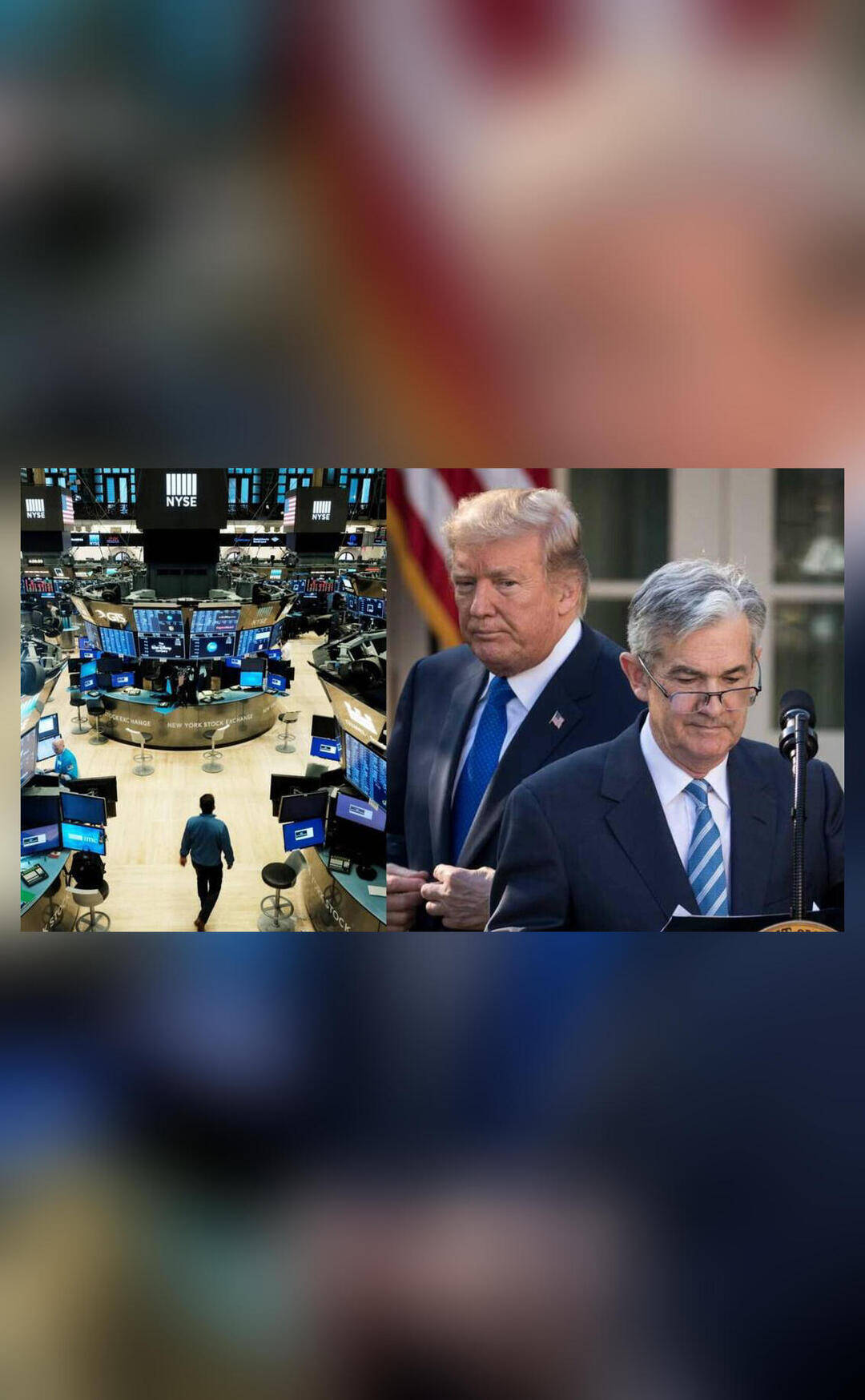
What is ‘Sell America’ trade, resurfaced after probe involving Fed’s Powell?
The ‘Sell America’ trade emerged in US markets on Monday after federal prosecutors opened a criminal investigation into Federal Reserve chair Jerome Powell. The term refers to a situation when investors lose confidence in the US economy or its leadership. When this happens, they start selling US stocks, US government bonds, and the US dollar all at the same time. This phenomenon is often seen as a vote of no confidence in the country’s economic management and can have significant implications for the global economy.
The investigation into Powell has sparked fears among investors about the independence of the Federal Reserve, which is responsible for setting monetary policy in the US. The Fed’s independence is crucial for maintaining the stability of the financial system, and any perceived interference or manipulation can erode investor confidence. The ‘Sell America’ trade is a manifestation of this lack of confidence, as investors seek to reduce their exposure to US assets and diversify their portfolios.
The ‘Sell America’ trade is not a new phenomenon, but it has gained significant attention in recent years due to the increasing polarization of US politics and the rising tensions between the US and other major economies. The trade is often seen as a hedge against potential risks associated with investing in the US, such as trade wars, geopolitical tensions, and economic instability. By selling US assets, investors can reduce their exposure to these risks and protect their portfolios from potential losses.
The impact of the ‘Sell America’ trade can be significant, as it can lead to a decline in the value of US assets, including stocks, bonds, and the dollar. This can have a ripple effect on the global economy, as US assets are widely held by investors around the world. A decline in the value of US assets can also lead to a decrease in investor confidence, which can have a negative impact on economic growth and stability.
The ‘Sell America’ trade is often associated with a flight to safety, as investors seek to move their assets to safer havens such as gold, Treasury bonds, or other currencies. This can lead to a surge in demand for these safe-haven assets, driving up their prices and reducing their yields. The trade can also lead to a decrease in the value of the US dollar, as investors sell the currency to reduce their exposure to US assets.
The investigation into Powell has raised concerns about the potential for political interference in the Fed’s decision-making process. The Fed’s independence is crucial for maintaining the stability of the financial system, and any perceived interference can erode investor confidence. The ‘Sell America’ trade is a manifestation of this lack of confidence, as investors seek to reduce their exposure to US assets and diversify their portfolios.
The ‘Sell America’ trade is not just limited to the US, as it can have significant implications for the global economy. A decline in the value of US assets can lead to a decrease in investor confidence, which can have a negative impact on economic growth and stability. The trade can also lead to a surge in demand for safe-haven assets, driving up their prices and reducing their yields.
In conclusion, the ‘Sell America’ trade is a phenomenon that occurs when investors lose confidence in the US economy or its leadership. The trade is often seen as a vote of no confidence in the country’s economic management and can have significant implications for the global economy. The investigation into Powell has sparked fears among investors about the independence of the Federal Reserve, leading to a resurgence of the ‘Sell America’ trade. As the situation continues to unfold, it is essential to monitor the developments closely and assess their potential impact on the global economy.
The ‘Sell America’ trade is a complex phenomenon that requires a nuanced understanding of the underlying factors driving investor sentiment. It is essential to consider the potential risks and opportunities associated with the trade and to develop a well-diversified portfolio that can withstand potential market volatility. By staying informed and up-to-date on the latest developments, investors can make informed decisions and navigate the complexities of the ‘Sell America’ trade.
As the global economy continues to evolve, it is essential to stay vigilant and monitor the potential risks and opportunities associated with the ‘Sell America’ trade. The trade is a manifestation of investor sentiment, and its implications can be far-reaching. By understanding the underlying factors driving the trade, investors can make informed decisions and develop a well-diversified portfolio that can withstand potential market volatility.
In the current market environment, it is essential to consider the potential risks and opportunities associated with the ‘Sell America’ trade. The investigation into Powell has sparked fears among investors about the independence of the Federal Reserve, leading to a resurgence of the trade. As the situation continues to unfold, it is essential to monitor the developments closely and assess their potential impact on the global economy.
The ‘Sell America’ trade is a phenomenon that requires a nuanced understanding of the underlying factors driving investor sentiment. It is essential to consider the potential risks and opportunities associated with the trade and to develop a well-diversified portfolio that can withstand potential market volatility. By staying informed and up-to-date on the latest developments, investors can make informed decisions and navigate the complexities of the ‘Sell America’ trade.
About the Author