ISRO begins countdown for 1st launch of 2026 with PSLV-C62 mission
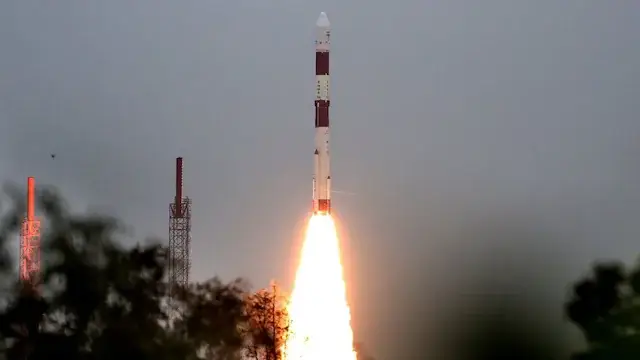
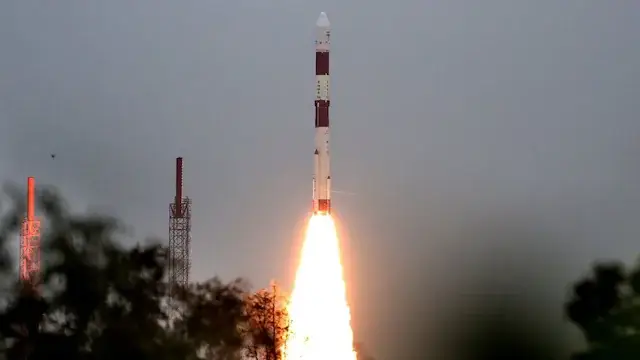
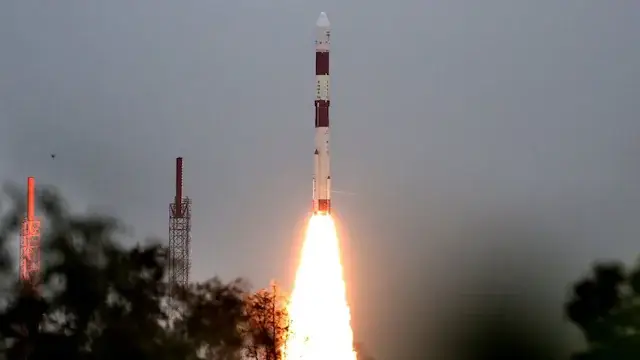
The Indian Space Research Organisation (ISRO) has commenced a 22-hour countdown at 12.48 pm for its first launch mission of 2026, ‘PSLV-C62/EOS-N1’. This highly anticipated mission marks the beginning of a new year of space exploration for India, with the PSLV rocket set to place the EOS-N1 Earth observation satellite and 15 co-passenger satellites into orbit. The PSLV, which stands for Polar Satellite Launch Vehicle, is ISRO’s workhorse launch vehicle, with a proven track record of successfully completing 63 flights, including notable missions like Chandrayaan-1.
The PSLV-C62 mission is a significant one, as it will demonstrate ISRO’s capabilities in launching multiple satellites into orbit in a single mission. The primary payload of the mission is the EOS-N1 Earth observation satellite, which is designed to provide high-resolution images of the Earth’s surface. The satellite will be used for a variety of applications, including land use mapping, crop monitoring, and disaster management. In addition to the EOS-N1 satellite, the PSLV rocket will also carry 15 co-passenger satellites into orbit, which will be used for a range of purposes, including technology demonstration, scientific research, and commercial applications.
The PSLV rocket is a highly reliable and versatile launch vehicle, with a record of launching 104 satellites in a single mission. This record was set in 2017, when the PSLV-C37 mission launched 104 satellites into orbit, including the Cartosat-2 series satellite and 103 co-passenger satellites. The PSLV rocket has also been used for a number of other notable missions, including the launch of the Chandrayaan-1 lunar mission in 2008, which marked India’s first foray into lunar exploration.
The success of the PSLV-C62 mission will be a major milestone for ISRO, as it will demonstrate the organization’s capabilities in launching multiple satellites into orbit in a single mission. The mission will also mark the beginning of a new year of space exploration for India, with a number of other missions planned for 2026, including the launch of the Gaganyaan manned spaceflight mission. The Gaganyaan mission, which is scheduled to launch in 2026, will mark India’s first manned spaceflight mission, with a crew of three astronauts set to spend a week in space.
The PSLV-C62 mission is also significant because it will demonstrate ISRO’s capabilities in launching satellites into orbit for a range of customers, including government agencies, academic institutions, and private companies. The mission will include a number of foreign satellites, including satellites from the United States, Canada, and France, which will be launched into orbit as part of the PSLV-C62 mission. This will demonstrate ISRO’s capabilities as a global launch services provider, with the PSLV rocket offering a reliable and cost-effective option for launching satellites into orbit.
In recent years, ISRO has emerged as a major player in the global space industry, with a number of successful missions and a growing portfolio of launch services. The organization has also been at the forefront of a number of innovative initiatives, including the development of a new launch vehicle, the Small Satellite Launch Vehicle (SSLV), which is designed to launch small satellites into orbit. The SSLV is expected to be launched for the first time in 2026, and will offer a new option for launching small satellites into orbit.
As the countdown for the PSLV-C62 mission begins, ISRO is gearing up for a busy year of space exploration, with a number of missions planned for 2026. The organization is also working on a number of new initiatives, including the development of a new lunar mission, which is scheduled to launch in 2026. The lunar mission, which is known as the Chandrayaan-3 mission, will include a lander and a rover, which will be used to explore the lunar surface.
In conclusion, the PSLV-C62 mission marks the beginning of a new year of space exploration for India, with the PSLV rocket set to place the EOS-N1 Earth observation satellite and 15 co-passenger satellites into orbit. The mission is a significant one, as it will demonstrate ISRO’s capabilities in launching multiple satellites into orbit in a single mission. The success of the mission will be a major milestone for ISRO, and will mark the beginning of a new year of space exploration for India.
News Source: https://x.com/PTI_News/status/2010285538843173209
About the Author