Last election for Marathi manoos: Raj Thackeray ahead of BMC polls
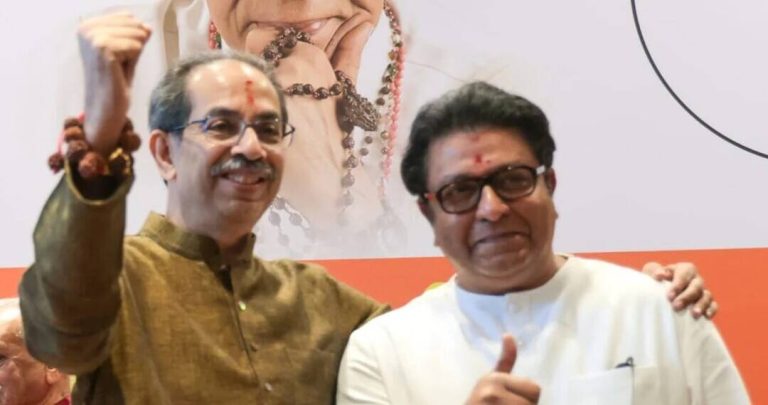
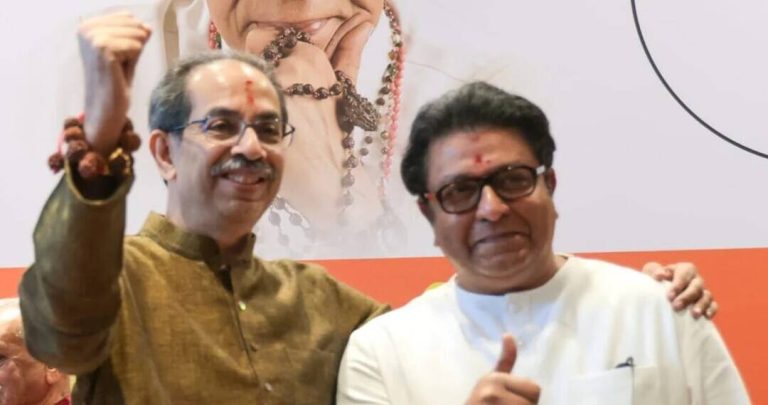
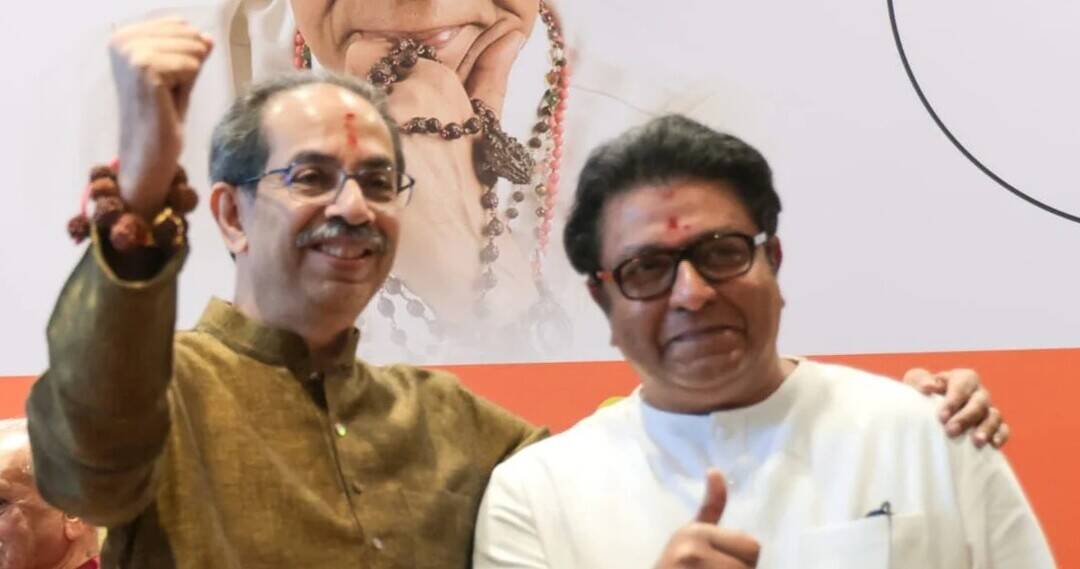
As the Brihanmumbai Municipal Corporation (BMC) polls approach, the political landscape of Mumbai is heating up. In a significant development, Maharashtra Navnirman Sena (MNS) chief Raj Thackeray has announced that he and his cousin, Shiv Sena (UBT) chief Uddhav Thackeray, have joined forces to contest the elections. This unexpected alliance has sent shockwaves throughout the state, with many wondering what prompted the two leaders to put aside their differences and come together.
According to Raj Thackeray, the reason for this alliance is the perceived danger that Mumbai is facing. In a passionate appeal to the people of Mumbai, he emphasized that this is the last election for the Marathi manoos, and if a mistake is made now, the battle for Mumbai will be lost forever. This statement has sparked a lot of interest and debate, with many interpreting it as a warning against the growing influence of non-Marathi speaking populations in the city.
Raj Thackeray’s statement is not just a rallying cry for the Marathi speaking population, but also a reflection of the changing demographics of Mumbai. Over the years, the city has witnessed a significant influx of people from other parts of the country, leading to a shift in the cultural and linguistic landscape. While this diversity has contributed to Mumbai’s economic growth and cultural richness, it has also created tensions and conflicts between different communities.
In this context, the alliance between Raj Thackeray and Uddhav Thackeray can be seen as an attempt to consolidate the Marathi speaking vote bank and counter the growing influence of other parties, particularly the Bharatiya Janata Party (BJP). The BJP has been making significant inroads in Maharashtra, and its Hindu nationalist ideology has resonated with many voters. However, Uddhav Thackeray has been critical of the BJP, accusing it of peddling “fake” Hindutva and nationalism.
Uddhav Thackeray’s comments are significant, as they reflect the complexities of the political landscape in Maharashtra. While the BJP has been trying to project itself as a champion of Hindu nationalism, the Shiv Sena (UBT) and MNS have been seeking to carve out their own space in the state’s politics. By targeting the BJP’s Hindutva and nationalism, Uddhav Thackeray is attempting to differentiate his party from the BJP and appeal to voters who are disillusioned with the BJP’s brand of politics.
The alliance between the MNS and Shiv Sena (UBT) is also significant because it marks a departure from the traditional rivalry between the two parties. For years, the Thackeray cousins have been at odds with each other, with Raj Thackeray’s MNS being seen as a splinter group that broke away from the Shiv Sena. However, the changing political landscape and the perceived threat to Mumbai’s Marathi speaking population have prompted the two leaders to put aside their differences and come together.
As the BMC polls approach, it will be interesting to see how this alliance plays out. Will the MNS and Shiv Sena (UBT) be able to consolidate the Marathi speaking vote bank and counter the influence of other parties? Or will the BJP and other parties be able to make significant gains in the city? The outcome of the election will have significant implications for the future of Mumbai and the state of Maharashtra.
In conclusion, the alliance between Raj Thackeray and Uddhav Thackeray is a significant development in the run-up to the BMC polls. With Raj Thackeray warning that this is the last election for the Marathi manoos, the stakes are high, and the outcome of the election will have far-reaching consequences for the city and the state. As the campaign heats up, it will be interesting to see how the different parties and alliances shape up and what the final outcome will be.
News Source: https://repository.inshorts.com/articles/en/PTI/d8b9be65-7833-4fcd-8217-a114db19062c
About the Author