ISRO begins countdown for 1st launch of 2026 with PSLV-C62 mission
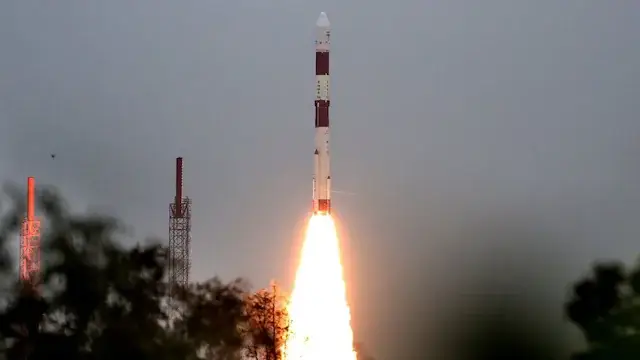
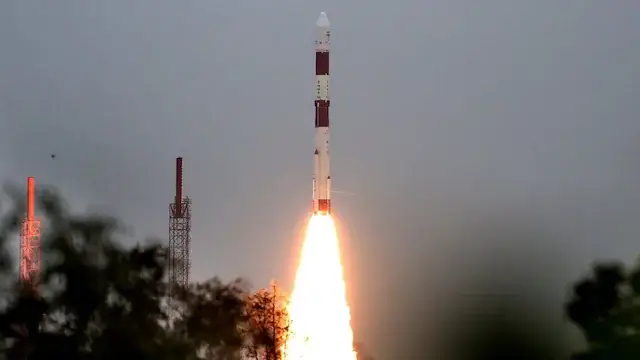
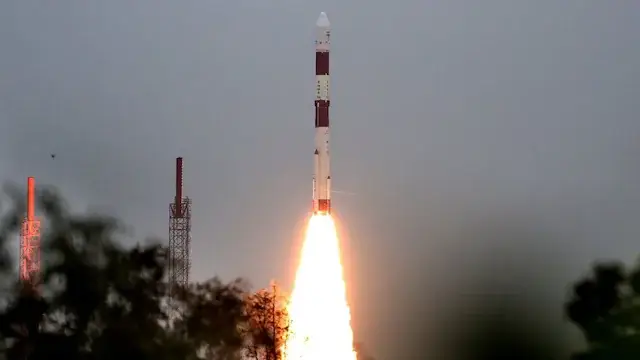
The Indian Space Research Organisation (ISRO) has commenced the countdown for its first launch mission of 2026, marking the beginning of a new year of space exploration and technological advancements. The 22-hour countdown, which began at 12:48 pm, is for the PSLV-C62 mission, also known as ‘PSLV-C62/EOS-N1’. This mission aims to place the EOS-N1 Earth observation satellite and 15 co-passenger satellites into orbit, further solidifying India’s position in the global space industry.
The PSLV rocket, which stands for Polar Satellite Launch Vehicle, is ISRO’s workhorse launch vehicle, with a proven track record of success. Having completed 63 flights, including notable missions like Chandrayaan-1, the PSLV has established itself as a reliable and efficient launch vehicle. One of its most impressive feats is holding the record for launching 104 satellites in a single mission, a testament to its capabilities and the expertise of the ISRO team.
The EOS-N1 Earth observation satellite, which is the primary payload of the PSLV-C62 mission, is designed to provide high-resolution images of the Earth’s surface. These images will be used for a variety of applications, including land use mapping, crop monitoring, and disaster management. The satellite’s advanced imaging capabilities will enable it to capture detailed images of the Earth’s surface, even in cloudy or dusty conditions.
In addition to the EOS-N1 satellite, the PSLV-C62 mission will also carry 15 co-passenger satellites into orbit. These satellites, which are from various countries, will be used for a range of purposes, including technology demonstration, scientific research, and commercial applications. The inclusion of these co-passenger satellites in the mission is a significant aspect, as it highlights ISRO’s commitment to international cooperation and collaboration in the field of space exploration.
The PSLV-C62 mission is not only significant for India’s space program but also for the global space industry. The success of this mission will demonstrate ISRO’s capabilities and expertise in launch vehicle technology, as well as its ability to provide cost-effective and efficient launch services to international customers. The mission will also pave the way for future collaborations and partnerships between ISRO and other space agencies, further strengthening India’s position in the global space industry.
As the countdown for the PSLV-C62 mission continues, the ISRO team is busy with the final preparations for the launch. The rocket is being fueled, and the payload is being integrated into the launch vehicle. The weather conditions at the launch site are being closely monitored, and all systems are go for the launch.
The launch of the PSLV-C62 mission is expected to take place in the early hours of the morning, and it will be a significant moment for India’s space program. The success of this mission will mark the beginning of a new year of space exploration and technological advancements for ISRO, and it will pave the way for future missions and collaborations.
In conclusion, the PSLV-C62 mission is a significant milestone for ISRO and the global space industry. The success of this mission will demonstrate ISRO’s capabilities and expertise in launch vehicle technology, as well as its ability to provide cost-effective and efficient launch services to international customers. As we wait for the launch of the PSLV-C62 mission, we can expect a new year of exciting developments and advancements in the field of space exploration.
The PSLV rocket has a long history of successful missions, and it has been used for a variety of applications, including Earth observation, navigation, and communication. The rocket’s reliability and efficiency have made it a popular choice for satellite launches, and it has been used by many countries and organizations around the world.
The EOS-N1 Earth observation satellite, which is the primary payload of the PSLV-C62 mission, is a significant addition to India’s fleet of Earth observation satellites. The satellite’s advanced imaging capabilities will enable it to capture high-resolution images of the Earth’s surface, which will be used for a variety of applications, including land use mapping, crop monitoring, and disaster management.
The PSLV-C62 mission is also significant because it marks the first launch of the year for ISRO. The success of this mission will set the tone for the rest of the year, and it will pave the way for future missions and collaborations. ISRO has a busy schedule of launches planned for the year, and the success of the PSLV-C62 mission will be an important milestone in the organization’s plans for space exploration and technological advancements.
As the world waits for the launch of the PSLV-C62 mission, there is a sense of excitement and anticipation. The mission is a significant milestone for ISRO and the global space industry, and it marks the beginning of a new year of space exploration and technological advancements. The success of the mission will demonstrate ISRO’s capabilities and expertise in launch vehicle technology, as well as its ability to provide cost-effective and efficient launch services to international customers.
In the coming years, ISRO is planning to launch a number of significant missions, including the Gaganyaan mission, which aims to send an Indian astronaut to space. The organization is also planning to launch a number of Earth observation satellites, which will be used for a variety of applications, including land use mapping, crop monitoring, and disaster management.
The PSLV-C62 mission is a significant milestone in ISRO’s plans for space exploration and technological advancements. The success of the mission will demonstrate the organization’s capabilities and expertise in launch vehicle technology, as well as its ability to provide cost-effective and efficient launch services to international customers. As we wait for the launch of the PSLV-C62 mission, we can expect a new year of exciting developments and advancements in the field of space exploration.
News Source: https://x.com/PTI_News/status/2010285538843173209
About the Author