Last election for Marathi manoos: Raj Thackeray ahead of BMC polls
As the Brihanmumbai Municipal Corporation (BMC) polls approach, the Maharashtra Navnirman Sena (MNS) chief Raj Thackeray has made a striking statement, emphasizing the importance of this election for the Marathi community. In a recent address, Thackeray asserted that this is the “last election for Marathi manoos,” implying that the fate of Mumbai and its indigenous population hangs in the balance. This statement has significant implications, as it underscores the MNS chief’s perception of the city’s current state and the need for collective action to protect the interests of the Marathi people.
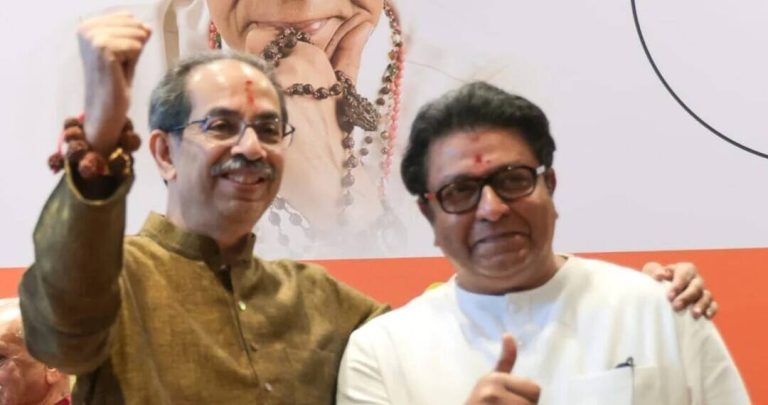
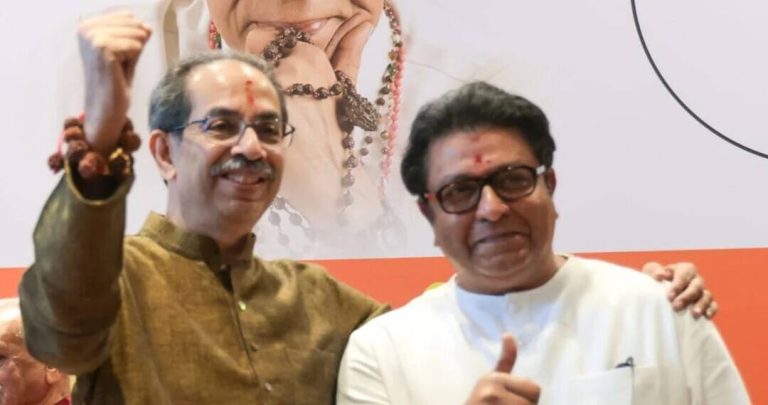
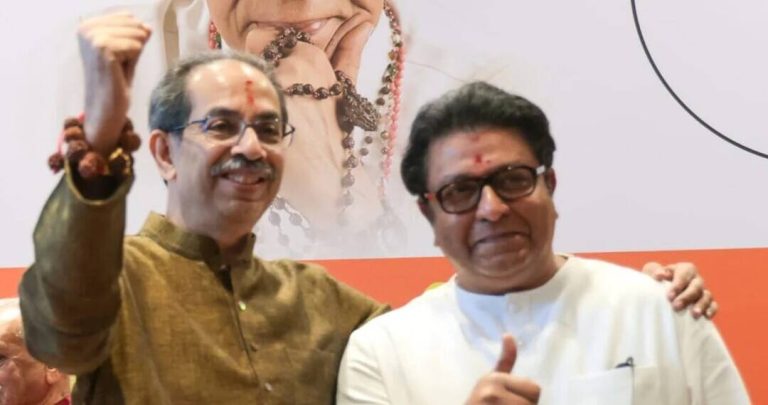
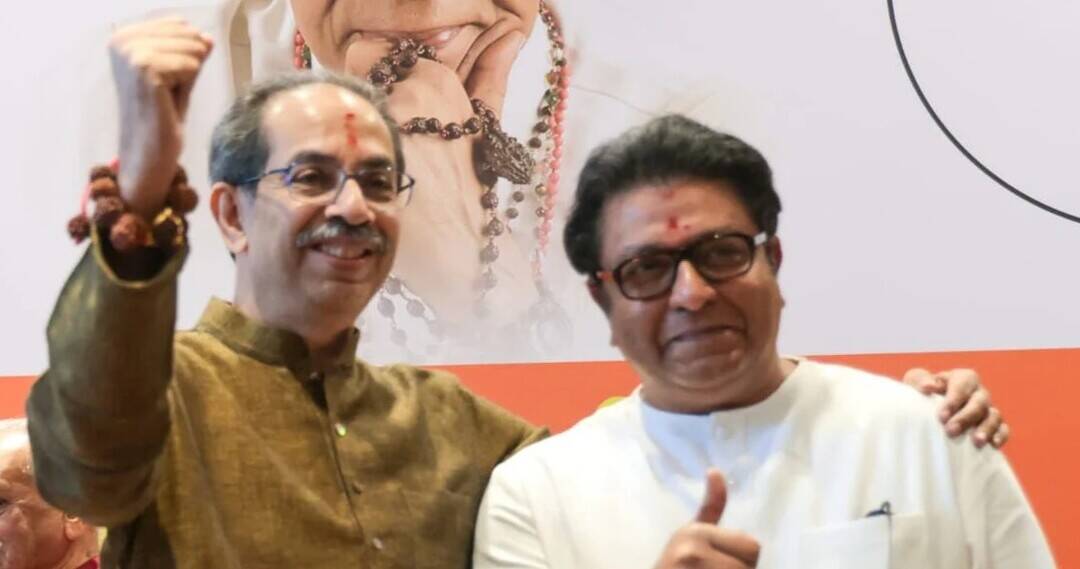
Thackeray’s statement was made in the context of his party’s alliance with the Shiv Sena, led by his cousin Uddhav Thackeray. The two parties have come together to contest the BMC polls, with Raj Thackeray emphasizing that their union is driven by the shared concern for Mumbai’s well-being. “Mumbai is facing danger,” he said, highlighting the need for a unified front to counter the perceived threats to the city and its Marathi population. By framing this election as a do-or-die situation, Thackeray is attempting to mobilize his party’s base and appeal to the broader Marathi community to rally behind their cause.
The MNS chief’s statement is also noteworthy for its sense of urgency and desperation. By declaring that this is the “last election” for the Marathi manoos, Thackeray is implying that the community’s future is at stake. If the Marathi people fail to assert their influence in this election, they risk losing their claim to the city forever. This narrative is likely to resonate with Thackeray’s core supporters, who have long felt that their community’s interests are being ignored or marginalized by other political parties.
Meanwhile, Uddhav Thackeray, the Shiv Sena chief, has targeted the Bharatiya Janata Party (BJP), accusing it of espousing “fake” Hindutva and nationalism. This criticism is significant, as it reflects the Shiv Sena’s attempts to reposition itself as the authentic champion of Hindu interests in Maharashtra. By questioning the BJP’s commitment to Hindutva, Uddhav Thackeray is seeking to reclaim the ideological high ground and attract Hindu voters who may be disenchanted with the BJP’s performance.
The alliance between the MNS and Shiv Sena is a significant development in the run-up to the BMC polls. Both parties have a strong base in Mumbai, and their combined strength could potentially challenge the dominance of the BJP and other parties in the city. However, the success of this alliance will depend on various factors, including the ability of the two parties to put aside their past differences and present a united front to the voters.
The BMC polls are scheduled to take place in the coming months, and the campaign is expected to be intense and highly competitive. The MNS and Shiv Sena alliance will face stiff competition from other parties, including the BJP, the Indian National Congress, and the Nationalist Congress Party (NCP). As the campaign unfolds, it will be interesting to see how the different parties position themselves and appeal to the voters.
In the context of the MNS-Shiv Sena alliance, Raj Thackeray’s statement about this being the “last election” for the Marathi manoos takes on added significance. The MNS chief is attempting to create a sense of urgency and shared purpose among his party’s supporters, while also reaching out to the broader Marathi community. By framing the election as a battle for Mumbai’s future, Thackeray is seeking to mobilize his base and attract new supporters who may be concerned about the city’s direction.
As the BMC polls approach, the city’s voters will be presented with a range of choices and competing narratives. The MNS-Shiv Sena alliance will likely focus on issues related to Marathi identity, cultural preservation, and the protection of Mumbai’s indigenous population. Other parties, such as the BJP and the Congress, will probably emphasize their development agendas, infrastructure plans, and social welfare initiatives.
Ultimately, the outcome of the BMC polls will depend on a complex array of factors, including the performance of the different parties, the effectiveness of their campaigns, and the mood of the voters. As the city’s residents prepare to cast their ballots, they will be weighing their options carefully, considering the competing promises and ideologies on offer.
In conclusion, Raj Thackeray’s statement about this being the “last election” for the Marathi manoos reflects the high stakes involved in the BMC polls. The MNS chief’s emphasis on the need for collective action to protect Mumbai’s indigenous population is likely to resonate with his party’s supporters and appeal to the broader Marathi community. As the campaign unfolds, it will be interesting to see how the different parties position themselves and respond to the challenges posed by the MNS-Shiv Sena alliance.
News Source: https://repository.inshorts.com/articles/en/PTI/d8b9be65-7833-4fcd-8217-a114db19062c
About the Author